


![SoftPro™ Chlorine+ Carbon Whole House Water Filter to Remove PFAS, Chlorine, Chloramine & Pesticides [City Water Filters Series]](http://www.softprowatersystems.com/cdn/shop/files/SoftPro_Whole_House_Carbon_Filter_with_Spin_Down_Water_Filter.webp?v=1783547361&width=140)


 855-683-8488


Rust Stains, Clogged Pipes, Appliance Failure: The Dollar Cost of Iron

Iron in your water is costing you more than you think. Those rust stains on your fixtures and laundry aren't just ugly—they're warning signs of a bigger problem. Corroded pipes, struggling appliances, and water heaters working overtime can drain $200 to $500 annually, sometimes more. Left unchecked, iron contamination shortens appliance lifespans by years and spikes your energy bills. Stick with us, and we'll show you exactly how to stop the damage before it gets worse.
Key Takeaways
- Iron levels above 0.3 mg/L cause sediment buildup, bacterial growth, and chronic clogs that degrade plumbing and overall water quality.
- Corroded heating elements from iron buildup increase energy consumption by 15-30%, significantly raising household energy bills over time.
- Dishwasher and washing machine leak repairs caused by iron damage can cost homeowners up to $500 per incident.
- Iron sediment reduces water heater lifespan by 3-5 years and adds approximately $150 annually in energy costs.
- Installing an iron removal system at the main water line can extend appliance lifespan by 3-5 years.
Warning Signs You Have an Iron Damage Problem

Iron damage doesn't always announce itself with a catastrophic pipe burst or a broken appliance—it creeps in quietly, leaving subtle clues we often dismiss until the repair bills start stacking up.
Watch for reddish-brown stains on fixtures, laundry, or dishes—classic signs of elevated iron corroding your system.
Notice a metallic taste or musty odor? That's contamination exceeding the 0.3 mg/L threshold, threatening both health and appliances.
Declining water pressure often means rust deposits are quietly strangling your pipes.
Meanwhile, dishwashers and washing machines working harder than they should signals iron buildup driving energy costs 15-30% higher while shortening appliance lifespans.
Catching these warning signs early through regular inspections means the difference between a minor fix and a financial nightmare.
What Iron Contamination Does to Your Pipes and Water Quality
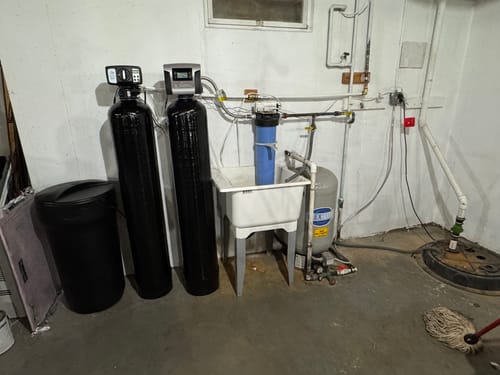
When iron contamination takes hold, it doesn't just discolor your water—it quietly wages war on your entire plumbing system from the inside out.
Iron contamination doesn't just stain your water—it silently destroys your plumbing system from within.
Iron oxide acts as a corrosion catalyst, eating through pipes while simultaneously restricting water flow and spiking internal pressure. That combination accelerates pipe failure faster than most homeowners expect.
Once iron levels exceed 0.3 mg/L, sediment accumulates, choking pipes and inviting bacterial growth. The result? Slimy deposits, chronic clogs, and degraded water quality that compounds over time.
Your appliances aren't immune either. Washing machines, dishwashers, and water heaters absorbing iron-laden water operate under constant stress, shortening their lifespan and efficiency.
Regular water testing isn't optional—it's the diagnostic tool that tells you exactly how much damage is already underway.
What Iron Damage Actually Costs You in Appliance Repairs
The damage iron does to your appliances doesn't stay hidden for long—it shows up in your energy bills, your repair invoices, and eventually your replacement costs.
Corroded heating elements alone drive energy consumption up 15-30%, meaning you're paying more every month just to get the same results.
Dishwashers and washing machines face internal corrosion that can trigger leak repairs costing up to $500. Ignore the buildup long enough, and you're looking at thousands in plumbing expenses.
We also spend $200-$500 annually on specialized cleaners just to keep iron stains and residue manageable.
That's before factoring in premature appliance failure. Iron contamination quietly shortens equipment lifespan, pushing you toward costly replacements far sooner than you'd planned.
These aren't hypothetical numbers—they're the real price of untreated iron.
How Iron Destroys Water Heaters From the Inside Out
Few appliances take a harder hit from iron contamination than your water heater.
Here's what's actually happening inside that tank: iron sediment accumulates, rust builds up, and corrosion quietly goes to work. The result? Your heater's working 15-30% harder than it should, tacking roughly $150 onto your annual energy bills.
It doesn't stop there.
That same iron buildup is shaving 3-5 years off your water heater's lifespan, pushing you toward premature replacements and costly repairs. You'll notice the warning signs in your water—brownish discoloration, a metallic taste—both indicators that contamination has already taken hold.
Iron buildup doesn't just damage your water heater—it steals years from its life.
The fix isn't complicated: flush the tank regularly and monitor for early signs of buildup.
Catch it early, and you'll keep both your water heater and your wallet intact.
How to Stop Iron Damage Before It Gets Worse
Understanding the damage iron causes is one thing—stopping it's another. We recommend starting with regular water testing—if your iron levels exceed 0.3 mg/L, you're already accelerating wear across every appliance in your home.
Once we ascertain what we're dealing with, installing an iron removal system at the main water line becomes the smartest first move, potentially extending appliance lifespan by 3-5 years.
From there, phosphate-based treatments protect metal surfaces from further iron-induced damage, cutting energy costs by up to 30%.
We also schedule quarterly inspections to catch early corrosion before it becomes an expensive repair. The real advantage comes from tailoring solutions to your specific water profile—targeting both ferrous and ferric iron for cleaner water and stronger appliance performance.
Frequently Asked Questions
Does Iron in Water Damage Pipes?
Yes, iron in water absolutely damages pipes. It creates rust that corrodes pipe walls, forms sediment that clogs flow, and accelerates wear on joints—ultimately forcing you into costly repairs or complete pipe replacement.
How Much Iron in Water Will Cause Staining?
Iron levels above 0.3 mg/L will start staining your fixtures, laundry, and dishes. Once we're hitting 2.5 mg/L, we're looking at aggressive deposits that'll accelerate appliance damage and drive up replacement costs fast.
Why Is Iron Bad for Water?
Iron's bad for your water because it stains, clogs pipes, breeds bacteria, and destroys appliances. We're talking reduced lifespans, skyrocketing energy bills, and costly repairs that hit your wallet hard.
What Are the Stains of Iron in Water?
Iron stains show up as brownish-red marks on your laundry, fixtures, and dishes. We're talking unsightly discoloration that's hard to ignore—and even harder to remove—signaling deeper corrosion problems that'll cost you more over time.






