


![SoftPro™ Chlorine+ Carbon Whole House Water Filter to Remove PFAS, Chlorine, Chloramine & Pesticides [City Water Filters Series]](http://www.softprowatersystems.com/cdn/shop/files/SoftPro_Whole_House_Carbon_Filter_with_Spin_Down_Water_Filter.webp?v=1783547361&width=140)


 855-683-8488


Setting Up Iron Filter Before Water Softener Correctly: Critical Ordering Mistakes You Must Avoid

When setting up an iron filter before a water softener, the order isn't optional — it's everything. Iron-laden water hitting your resin bed first coats it, kills its efficiency, and forces expensive repairs. We also see people skip proper water testing, buy undersized filters, and ignore drainage issues that allow backflow. These mistakes compound quietly until your fixtures stain, your equipment fails, and your wallet takes the hit. Stick with us, and we'll walk you through every critical mistake to avoid.
Key Takeaways
- Always install the iron filter before the water softener to prevent iron coating on the resin bed, which degrades softener efficiency.
- Test water professionally for pH, manganese, and sediment levels before installation to select the correct filtration media.
- Size your iron filter appropriately for peak demand to avoid rust stains, fixture damage, and premature resin degradation.
- Maintain pH above 6.8, as lower levels drastically reduce iron removal efficiency and can damage plumbing over time.
- Inspect bypass valves, drain lines, and connections thoroughly to prevent backflow, contamination, and restricted backwash flow.
Install the Iron Filter Before the Water Softener: Here's Why It Matters

When setting up a water treatment system, we'll want to install the iron filter before the water softener — and it's not just a matter of preference.
Iron entering the softener coats the resin bed, degrading its efficiency and triggering expensive repairs. Think of the iron filter as the frontline defender, intercepting contaminants before they reach your softener's most vulnerable components.
Iron in your softener doesn't just cause problems — it causes expensive ones. Protect the resin bed first.
Here's what proper sequencing delivers: cleaner water, fewer rust stains, and a longer lifespan for both systems.
When iron bypasses the filter and reaches the softener, we're looking at persistent staining, system clogging, and escalating maintenance costs.
Getting the order right isn't complicated — but getting it wrong is costly. Upstream iron filtration protects your entire investment from the start.
Water Testing Mistakes That Undermine Both Systems Before Installation
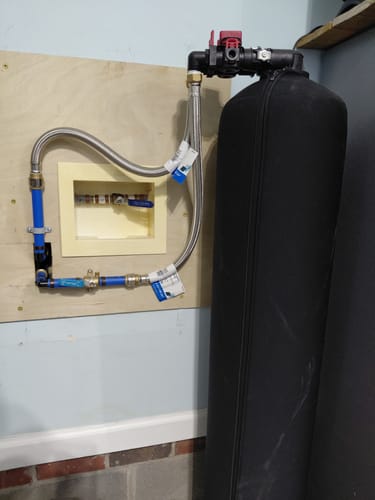
Before we place a single pipe or valve, water testing is the step that makes or breaks everything downstream. Skip it, and we're fundamentally guessing—and guessing costs us rust stains, failed equipment, and undersized systems overwhelmed by spring iron spikes.
| Testing Mistake | Consequence |
|---|---|
| Skipping professional pH testing | Iron filter efficiency collapses below 6.8; softener sustains damage |
| Ignoring manganese and sediment | Wrong media selection undermines both systems |
| Testing without real usage data | System undersized for peak demand |
We've seen homeowners install beautifully ordered systems—iron filter first, softener second—only to watch both fail within months because nobody tested properly beforehand. Mastery here means testing thoroughly, seasonally, and honestly against actual household demand before we touch a single fitting.
How Undersizing Your Iron Filter Destroys Performance at Peak Demand
The single most expensive mistake we see after installation is sizing an iron filter around average daily usage rather than peak demand.
When everyone's showering simultaneously or running multiple appliances, an undersized system gets overwhelmed instantly.
Here's what that failure actually costs you:
- Rust stains reappear — your fixtures and laundry suffer permanent damage during peak hours
- Resin degrades faster — constant overloading destroys filter longevity prematurely
- Iron spikes 25% seasonally — spring runoff and heavy rainfall crush undersized systems completely
- Replacement costs accelerate — frequent resin swaps eliminate any savings from buying smaller
Most households need 8-10 GPM capacity minimum.
Larger families need 12-15 GPM.
Regular water testing reveals your actual iron concentrations, giving you the precise data needed to size correctly from day one.
What Low pH and Manganese Do to Iron Filter Effectiveness
Sizing your iron filter correctly gets you halfway there — but if your water has low pH or manganese, you're still fighting a losing battle.
When pH drops below 6.8, your filter's iron-removal ability collapses — and that acidity quietly damages your plumbing while you assume everything's working fine.
Manganese compounds the problem. It competes directly with iron during filtration, and standard media often can't handle both simultaneously. The result? Stubborn staining that makes you wonder why you installed a filter at all.
Here's what we've learned: test first, then select. Accurate water testing reveals exactly what you're dealing with, letting you choose the right media combination.
Then monitor regularly — pH and manganese levels shift, and your system settings must shift with them.
Bypass Valve and Drainage Errors That Allow Backflow Into Your Softener
Getting your pH balanced and manganese under control protects your iron filter — but there's another failure point that catches even careful installers off guard: bypass valves and drainage errors that let contaminated water flow backward into your softener.
We've seen it destroy resin beds overnight. Here's what's silently wrecking systems:
- Open or misplaced bypass valves during iron filter operation push contamination directly into your softener.
- Missing air gaps in drainage lines create backflow pathways that bypass every safeguard you've built.
- Kinked or oversized drain lines choke backwash flow, reversing pressure and pulling contaminants inward.
- Unvetted existing plumbing hides incompatibilities that quietly introduce contaminants into treated water.
These aren't minor oversights — they're system killers.
Inspect every connection, confirm air gaps exist, and never leave bypass valves unattended during operation.
Frequently Asked Questions
What Goes First, Softener or Iron Filter?
We always put the iron filter first. It traps iron before water reaches your softener, protecting the resin bed from costly damage and keeping your entire system running at peak efficiency.
Do I Need an Iron Filter if I Have a Water Softener?
If your water has high iron levels, you'll need an iron filter even with a softener. Without it, iron damages the resin bed, reduces efficiency, and leads to costly maintenance. Test your water first!
How Often Should I Backwash My Iron Filter?
We recommend backwashing every 2-3 days initially, then reassessing every 6-12 months. If you're noticing reduced pressure or discoloration, that's your filter telling you it needs more frequent attention.
Will Iron Ruin a Water Softener?
Yes, iron will absolutely ruin your water softener. It damages the resin bed, causes buildup, and forces more frequent regeneration. We always recommend installing an iron filter upstream to protect your investment.






