


![SoftPro™ Chlorine+ Carbon Whole House Water Filter to Remove PFAS, Chlorine, Chloramine & Pesticides [City Water Filters Series]](http://www.softprowatersystems.com/cdn/shop/files/SoftPro_Whole_House_Carbon_Filter_with_Spin_Down_Water_Filter.webp?v=1783547361&width=140)


 855-683-8488


Shock Chlorination for Iron Bacteria in Well Water: The Definitive Step-by-Step Treatment Guide

Shock chlorination is our go-to solution for eliminating iron bacteria from well water. These stubborn microorganisms cause reddish-brown stains, foul odors, and reduced water flow — but a properly executed chlorination treatment wipes them out effectively. We'll walk you through identifying the problem, mixing the right bleach solution, treating your well, and testing your water afterward. Stick with us, and you'll have everything you need to restore clean, safe water to your home.
Key Takeaways
- Identify iron bacteria by checking for reddish-brown stains, musty odors, reduced water flow, or metallic taste before beginning treatment.
- Bypass all filters and softeners, then power down the well system before mixing your chlorinated solution in a 5-gallon bucket.
- Mix no more than 2 cups of bleach with 2 gallons of water, then introduce the solution directly into the well.
- Run all faucets until chlorine odor is detected, then wait a minimum of 8 hours before flushing the system.
- Wait 2 to 3 days after flushing before testing water with a certified laboratory or quality home testing kit.
What Is Iron Bacteria and Why Does It Require Shock Chlorination?

Iron bacteria are naturally occurring microorganisms that survive by oxidizing iron and manganese dissolved in groundwater. They thrive in anaerobic conditions, producing slimy deposits, foul tastes, and stubborn staining throughout your plumbing system.
Iron bacteria thrive in anaerobic conditions—quietly corroding your water quality from the inside out.
Left unchecked, they'll clog pipes, compromise water treatment equipment, and signal deeper contamination problems lurking in your well.
So why does shock chlorination work where other treatments fall short? Because concentrated chlorine doesn't just kill active bacteria—it dismantles the organic matter they've built up over time.
Standard disinfection methods simply can't penetrate the protective biofilm these microorganisms create. Shock chlorination cuts through it entirely.
Understanding what you're dealing with is the first step toward permanent remediation.
Let's walk through exactly how to eliminate iron bacteria and reclaim your water quality.
Does Your Well Water Have Iron Bacteria? Signs to Look For
Before you can fix the problem, you've got to confirm it's actually there. Iron bacteria leave unmistakable clues—you just need to know what you're looking for.
Watch for these telltale signs:
- Reddish-brown stains on fixtures and laundry, signaling bacterial activity in your supply
- Musty or swampy odors coming directly from your water
- Reduced water flow caused by bacterial clogging in your plumbing and treatment equipment
- Metallic taste that makes your water genuinely unpleasant to drink
If two or more of these symptoms appear together, iron bacteria are almost certainly the culprit.
These organisms thrive in anaerobic, iron-rich well environments—conditions that create the perfect breeding ground. Identifying them accurately means we can treat them decisively.
What Equipment and Bleach Do You Need Before Shock Chlorinating?
Getting the right supplies together makes the difference between a shock chlorination that works and one that falls short.
First, protect yourself — gloves and goggles aren't optional here. You're working with concentrated chemicals that demand respect.
Gloves and goggles aren't optional — concentrated chemicals demand respect before you touch a thing.
For bleach, you've got two solid options: ordinary liquid laundry bleach at 5-6% sodium hypochlorite, or pool chlorine running 10-12%. Either works, but your well's water depth determines how much you'll need to hit that critical 50-100 ppm treatment threshold.
You'll also want a 5-gallon bucket for mixing your solution — never pour straight bleach directly into the well. Dilute 2 cups or less of bleach into 2 gallons of water first.
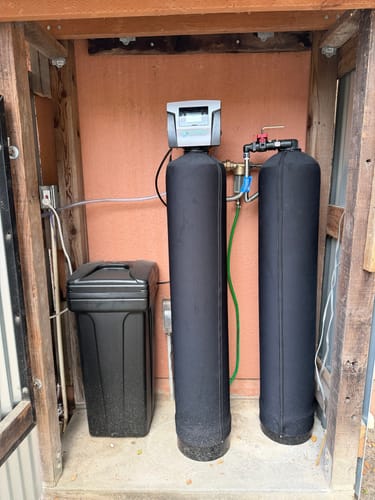
Finally, bypass your filters and softeners beforehand. High chlorine levels will destroy them otherwise.
How to Shock Chlorinate Your Well for Iron Bacteria
Once you've gathered your supplies, it's time to put them to work. Follow these critical steps to execute shock chlorination correctly:
- Flush and power down: Run your well, bypass softeners and filters, then cut pump power.
- Mix your solution: Calculate dosage based on your well's static water level, then blend liquid bleach (5-6% sodium hypochlorite) with water.
- Introduce and circulate: Pour the chlorinated solution into the well, then run every faucet until you detect chlorine's distinct scent.
- Wait strategically: Let the solution sit undisturbed for a minimum of 8 hours.
Finally, flush the entire system until the chlorine odor disappears completely.
Two weeks later, test for iron bacteria to confirm you've won the battle.
How Do You Test Well Water After Shock Chlorination?
After flushing out the chlorine and waiting 2 to 3 days, it's time to confirm the shock chlorination actually worked. Testing too early is a critical mistake—residual chlorine will mask bacterial presence and give you a false sense of security.
We recommend two reliable testing routes: certified laboratory analysis or a quality home testing kit. Both detect coliform bacteria and E. coli accurately, but certified labs offer greater precision for serious contamination concerns.
Here's what we do with every result: document it. Tracking test outcomes helps us identify recurring patterns and measure treatment efficacy over time.
If coliform bacteria still appear in your results, don't panic. Repeat the shock chlorination process and retest. Some stubborn contamination requires multiple treatment cycles before achieving clean results.
Frequently Asked Questions
How Often Should I Repeat Shock Chlorination if Iron Bacteria Keeps Returning?
If iron bacteria keeps returning, we recommend repeating shock chlorination every 6-12 months. But don't just treat symptoms—let's identify your root cause, whether it's pump issues, casing damage, or persistent biofilm colonies hiding deeper.
Can Shock Chlorination Damage My Well Pump or Plumbing Components?
Yes, it can—if you're careless. High chlorine concentrations can degrade rubber seals, gaskets, and older PVC components. We recommend diluting properly, limiting contact time, and flushing thoroughly to protect your system's integrity.
Is It Safe to Shower or Bathe During the Chlorination Waiting Period?
No, don't shower or bathe during the waiting period—your water contains high chlorine concentrations that'll irritate skin and eyes. Stay off your well water entirely until you've completed flushing and confirmed safe chlorine levels.
Will Shock Chlorination Affect My Septic System or Surrounding Soil?
Yes, shock chlorination can temporarily disrupt your septic system's beneficial bacteria and introduce chlorinated water into surrounding soil. We recommend minimizing water usage during treatment and flushing your system thoroughly afterward to restore biological balance quickly.
Can I Shock Chlorinate My Well During Winter or Freezing Temperatures?
Yes, you can shock chlorinate in winter, but we'd recommend avoiding it during freezing temps. Frozen ground prevents chlorine from flushing properly, and icy conditions make handling chemicals and equipment dangerously difficult.






