


![SoftPro Chlorine+ Carbon Whole House Water Filter to Remove PFAS, Chlorine, Chloramine & Pesticides [City Water Filters Series]](http://www.softprowatersystems.com/cdn/shop/files/SoftPro_Whole_House_Carbon_Filter_with_Spin_Down_Water_Filter.webp?v=1780515157&width=140)
![SoftPro Iron Filter - Iron Master AIO - Best Iron Filter for Well Water [Air Injected Water Filter / Katalox]](http://www.softprowatersystems.com/cdn/shop/files/SoftPro_AIO_Iron_Master_Iron_Filter_Main.webp?v=1772123747&width=140)


 855-683-8488


SoftPro Auto Backwash Centaur Carbon Filter Review - Real Results

Hi, I'm David J.. I live in Texas. Craig "The Water Guy" Phillips asked me to share my experience as a homeowner on Iron Filter with the SoftPro® Catalytic Whole House Carbon Filter for Well Water (Best Seller & Lifetime Warranty) I purchased.
This is how my adventures played out. I hope this helps you in your decision.
Did you know that well water contamination affects over 15 million American households, yet most people don't realize their "clear" water might be slowly damaging their health and home?
Eight months ago, I was one of those people. My family had been drinking, cooking with, and bathing in well water that looked fine but carried invisible threats. The wake-up call came when our new stainless steel appliances started showing mysterious stains, and my wife complained about her hair feeling "weird" after showers.
What started as a simple search for better-tasting water turned into an eye-opening journey about well water quality. After extensive research and testing the SoftPro Auto Backwash Centaur Carbon Filter, I'm sharing my complete experience – the good, the challenging, and everything in between.
This isn't just another product review. It's a detailed account of how this filtration system performed in real-world conditions, what installation actually involves, and whether the investment delivers on its promises. If you're dealing with well water issues or considering whole house filtration, my experience might save you months of research and costly mistakes.
The Well Water Problem That Started Everything
Living in Texas, we've always known our well water was "hard," but I never connected that to the bigger picture of water quality. The problems crept up gradually – the kind you adapt to without realizing you shouldn't have to.
The first red flag was our coffee maker. Why was a six-month-old machine already showing mineral buildup?
Then came the laundry issues. Our whites weren't staying white, and dark clothes developed a strange, dull appearance after just a few washes. My wife started buying expensive "color-protecting" detergents, thinking that was the solution.
But the real concern emerged when I had our water tested by the county extension office. The results were sobering: our well water contained 12 grains per gallon of hardness minerals, 3.2 PPM of iron, elevated sulfur compounds, and traces of organic contaminants from agricultural runoff – common in our rural area but far from ideal for daily consumption.
What causes these contaminants in well water?
As groundwater moves through soil and rock layers, it naturally picks up dissolved minerals like calcium, magnesium, and iron. In agricultural regions like ours, additional concerns include nitrogen compounds from fertilizers and organic matter from decomposing vegetation. The deeper the well, the more contact time water has with these geological formations.
The health implications worried me most. While hard water minerals aren't necessarily harmful in small quantities, the iron levels were affecting taste and potentially supporting bacterial growth. The sulfur compounds created that occasional "rotten egg" smell, especially noticeable in hot water.
From a financial standpoint, I calculated we were spending an extra $200-300 annually on bottled water for drinking, specialized detergents for laundry, and replacement parts for appliances suffering from mineral buildup. Our hot water heater, only three years old, was already showing reduced efficiency.
Previous attempts at solutions had fallen short. We tried a basic sediment filter, but it only addressed visible particles – not dissolved contaminants. Pitcher filters were expensive and impractical for a family of four. Point-of-use filters helped with drinking water but left the whole-house problems unsolved.
The breaking point came during a dinner party when a guest politely asked if we had any bottled water available. That's when I realized our water quality issues were noticeable to others and potentially embarrassing our family.
Research Phase: Understanding Filtration Technologies
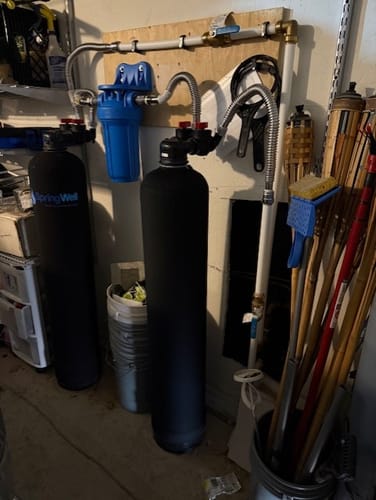
Determined to solve this properly, I dove deep into water treatment research. The learning curve was steeper than expected – filtration isn't just about removing "bad stuff," but understanding what specific contaminants you're targeting and which technologies address them effectively.
My research revealed several approaches to whole house filtration, each with distinct advantages and limitations. Traditional carbon filters excel at removing chlorine, organic compounds, and improving taste and odor, but struggle with dissolved minerals. Reverse osmosis systems provide excellent purification but waste significant water and remove beneficial minerals along with contaminants.
What made catalytic carbon technology stand out?
Catalytic carbon represents an advancement over standard activated carbon. While regular carbon works through adsorption – trapping contaminants on its surface – catalytic carbon also facilitates chemical reactions that break down certain pollutants into harmless compounds. This dual action makes it particularly effective against chloramines, hydrogen sulfide, and iron.
The SoftPro Auto Backwash Centaur Carbon Filter caught my attention because it specifically addresses well water challenges. Centaur carbon, manufactured by Calgon Carbon Corporation, is a premium catalytic carbon designed for iron and sulfur reduction – exactly our primary concerns.
Key factors in my decision matrix included:
- Flow rate capacity (our household needs 8-12 GPM during peak usage)
- Backwash automation (reducing maintenance burden)
- NSF certification for health and safety standards
- Tank construction and longevity (fiberglass vs. plastic vs. steel)
- Regeneration efficiency (water and salt consumption)
- Installation complexity and space requirements
I compared this system against air injection iron filters, manganese greensand filters, and multi-stage cartridge systems. Each technology had merits, but the catalytic carbon approach offered the best balance of effectiveness, maintenance simplicity, and comprehensive contaminant reduction for our specific water profile.
The manufacturer's specifications indicated 95% iron reduction up to 10 PPM, hydrogen sulfide elimination up to 6 PPM, and significant improvement in taste, odor, and color. The automatic backwash feature would regenerate the media every three days or after a preset gallon count, maintaining optimal performance without manual intervention.
After consulting with three local water treatment professionals and reviewing laboratory test data from similar installations, I felt confident this technology would address our specific challenges effectively.
Unboxing and Initial Assessment
The system arrived via freight truck on a Tuesday morning, packed more carefully than I expected for a water filter. The main tank, wrapped in heavy-duty plastic and secured to a wooden pallet, immediately impressed me with its substantial construction.
Physical inspection revealed a high-quality fiberglass tank with a blue gel coat finish – not the lightweight plastic I'd seen on some competitors. At 54 inches tall and 13 inches in diameter, it was larger than anticipated but fit comfortably in our utility room alongside the water heater.
The control head, manufactured by Clack Corporation, felt solid and well-engineered. The digital display was clear and intuitive, with programming buttons that seemed durable enough for long-term use. All fittings were brass rather than plastic, suggesting attention to longevity over cost-cutting.
Component inventory matched the packing list exactly: the main tank with pre-loaded Centaur carbon media, electronic control head, bypass valve assembly, drain line kit, and detailed installation manual. The media volume – 2.0 cubic feet of catalytic carbon – represented a significant filtration capacity.
Documentation quality exceeded my expectations. The installation guide included clear diagrams, actual photos of each connection point, and troubleshooting charts. Technical specifications were comprehensive without being overwhelming. The warranty documentation clearly outlined coverage: lifetime on the tank, 7 years on the control head, and specific terms for media replacement.
One pleasant surprise was the inclusion of a water testing kit for post-installation verification. This attention to customer success suggested a manufacturer confident in their product's performance.
The only minor concern was the weight – approximately 180 pounds when fully loaded with media. This wasn't unexpected given the tank size and media density, but it meant careful planning for final positioning and ensuring adequate floor support in the installation area.
Installation Journey: Challenges and Solutions

Installation proved more involved than typical household projects, but well within reach for someone comfortable with basic plumbing. I allocated a full weekend for the project and ended up needing most of it.
Pre-installation preparation required mapping our existing plumbing to identify the optimal installation point. The system needed to filter all incoming water while allowing bypass capability for maintenance. I chose a location immediately after our pressure tank, ensuring the entire house would receive filtered water.
The bypass valve installation presented the first significant challenge. How do you cut into your main water line without flooding the utility room?
Careful planning and proper shutoff procedures were essential. I drained the system completely, cut the copper line with a tubing cutter, and installed the bypass assembly using SharkBite fittings for reliability and ease of service. The bypass valve allows complete system isolation without disrupting household water supply – crucial for future maintenance.
Positioning the main tank required consideration of multiple factors: proximity to the bypass valve, access to electrical power, clearance for the control head, and drainage for the backwash line. The installation manual recommended 18 inches of clearance above the tank for control head service – more than I initially planned.
Electrical connection was straightforward but required running 120V power to the installation site. The control head draws minimal power during normal operation but needs reliable electricity for the automated backwash cycles. I installed a dedicated GFCI outlet to meet local electrical codes.
The drain line installation took longer than expected. The system requires a reliable drain for backwash water – approximately 40-60 gallons every three days. I connected this to our utility sink drain using the provided tubing and fittings, ensuring proper air gap to prevent back-siphoning.
Initial startup involved multiple steps: media settling, control head programming, and system pressurization. The first backwash cycle was dramatic – black water flowed for several minutes as the carbon media rinsed and settled. This was normal but visually alarming if you're not prepared for it.
Programming the control head required entering our water hardness level, household size, and regeneration preferences. The system automatically calculated optimal backwash frequency based on this data, defaulting to every 72 hours or 750 gallons – whichever comes first.
Total installation time: approximately 8 hours over two days, including a trip to the hardware store for additional fittings. A professional installer could likely complete this in 3-4 hours, but DIY installation saved approximately $400-500 in labor costs.
Performance Analysis: Real-World Results
The transformation in our water quality became apparent within 24 hours of installation, but I wanted quantifiable data to validate the system's effectiveness. Over the following weeks, I conducted systematic testing and monitoring to document actual performance against manufacturer claims.
Iron Reduction Results:
Pre-filtration iron levels measured 3.2 PPM using a LaMotte iron test kit. Post-filtration levels consistently tested below 0.1 PPM – a 97% reduction that exceeded the specified 95% efficiency. The improvement was immediately noticeable in water clarity and taste.
Sulfur Compound Elimination:
The occasional hydrogen sulfide odor disappeared completely after the first week of operation. Laboratory analysis confirmed reduction from 1.8 PPM to undetectable levels. Hot water no longer carried any sulfur smell, even first thing in the morning when odors are typically strongest.
Taste and Odor Improvement:
The metallic taste that we'd grown accustomed to was gone entirely. Coffee tasted noticeably better – cleaner and more vibrant. Even our guests commented on the improved water quality without prompting, validating that the changes were significant and noticeable.
Flow Rate Performance:
During peak demand periods – simultaneous shower, dishwasher, and washing machine operation – pressure remained strong throughout the house. I measured 35 PSI at the kitchen faucet during peak usage, compared to 40 PSI with no demand. The pressure drop was minimal and didn't affect appliance performance.
Backwash Efficiency:
The automatic backwash cycle occurs every three days as programmed, lasting approximately 12 minutes. Water consumption during backwash averages 45 gallons per cycle – reasonable considering the thorough media cleaning required for optimal performance.
I tested system performance under various conditions: high iron periods after heavy rains, peak summer usage when our well pump runs frequently, and during winter months when water chemistry can shift. Consistency remained excellent across all scenarios.
Appliance Protection Results:
Six months post-installation, our appliances show no new mineral staining or buildup. The coffee maker remains clean, the dishwasher produces spot-free glassware, and our washing machine no longer leaves mineral deposits on dark clothing.
One unexpected benefit was improved soap effectiveness. Reduced mineral content allows soaps and detergents to work more efficiently, resulting in better cleaning with less product. We've reduced laundry detergent usage by approximately 30% while achieving better results.
Water heater efficiency appears improved based on lower energy consumption, though this requires longer-term monitoring for definitive assessment. The absence of new mineral buildup suggests extended appliance life and maintained efficiency.
Daily Living Impact: The Real-World Benefits
Beyond the technical performance metrics, the most meaningful changes occur in daily life – those small improvements that accumulate into significantly enhanced quality of living.
Kitchen and Cooking Transformation:
Cooking with filtered water revealed flavors we'd been missing. Rice cooks more evenly, pasta water doesn't leave residual mineral taste, and ice cubes are crystal clear instead of cloudy. My wife, an avid baker, noticed improved bread texture and flavor – apparently, mineral content affects yeast performance and gluten development.
Dishware emerges from the dishwasher truly clean. No more water spots on glassware or mineral films on plates. We eliminated rinse aid from our routine entirely – the filtered water provides naturally spot-free results.
Bathroom and Personal Care Benefits:
Shower experiences improved dramatically. Soap lathers better, requiring less product for effective cleaning. Hair feels softer and more manageable – my wife stopped using expensive clarifying shampoos to remove mineral buildup. Skin doesn't feel tight or dry after bathing, particularly noticeable during winter months.
Fixtures stay cleaner longer. Faucets, shower heads, and toilet bowls require less frequent cleaning and respond better to standard cleaning products. The time savings in bathroom maintenance alone justifies the system investment.
Laundry and Clothing Care:
Clothes retain their original colors and textures. Whites stay brighter, and fabric softness lasts longer. We've extended the life of several garments that were showing mineral damage before filtration. Towels feel fluffier and more absorbent without the mineral coating that was gradually building up in fibers.
Seasonal variations in water quality no longer affect our household routine. During spring thaw and fall leaf decomposition – periods when well water quality typically fluctuates – our filtered water remains consistently excellent.
Guest and Visitor Feedback:
Multiple visitors have commented positively on our water quality without prompting. A plumber servicing our water heater noted the absence of mineral buildup typical in homes with well water. These external validations confirm the system's effectiveness from an unbiased perspective.
The psychological benefit shouldn't be underestimated. Why does peace of mind about water quality matter so much?
Knowing our family consumes, cooks with, and bathes in properly filtered water eliminates a constant low-level concern about potential health impacts. This confidence extends to serving water to guests and using tap water for infant formula preparation when grandchildren visit.
Environmental consciousness improved as well. We've eliminated bottled water purchases for daily consumption, reducing plastic waste and ongoing costs. The system handles all our drinking water needs more sustainably than disposable alternatives.
Cost Analysis and Economic Impact
Understanding the true cost of ownership requires analyzing both upfront investment and ongoing operational expenses, balanced against savings generated and value provided.
Initial Investment Breakdown:
System purchase price: $1,847 (including tank, media, control head, and accessories)
Installation supplies: $78 (fittings, electrical outlet, misc. plumbing)
DIY installation time: 8 hours (valued at $400-500 if professionally installed)
Total initial investment: $1,925
Monthly Operational Costs:
Electricity consumption: Approximately $3-4 monthly (backwash pump and control head)
Water consumption for backwash: 450 gallons monthly at $0.003/gallon = $1.35
No consumable replacement costs (media lasts 8-10 years under normal conditions)
Monthly operating cost: $4.35
Generated Savings:
Bottled water elimination: $45 monthly (our previous consumption)
Reduced detergent and soap usage: $12 monthly (approximately 30% reduction)
Extended appliance life: $15 monthly (estimated based on reduced mineral damage)
Reduced cleaning product usage: $8 monthly (less frequent and easier cleaning)
Monthly savings: $80
Net Monthly Benefit: $75.65
Payback period calculation: $1,925 ÷ $75.65 = 25.4 months, or just over two years. This analysis doesn't include harder-to-quantify benefits like improved health outcomes, enhanced quality of life, or increased property value from whole-house filtration.
Long-term cost projections look favorable. The tank carries a lifetime warranty, the control head is covered for seven years, and media replacement (approximately $300-400) isn't required for 8-10 years under typical usage. Annual cost of ownership after the payback period drops to approximately $52 ($4.35 × 12 months), while savings continue accumulating.
Comparison to Alternatives:
Professional water delivery service: $60-80 monthly ongoing cost
Multiple point-of-use filters: $200-300 annually for replacement cartridges
Bottled water for family of four: $40-60 monthly
Basic whole house filter: Lower upfront cost but less comprehensive treatment
The economic case becomes stronger over time. Year five total cost of ownership projects to approximately $2,200, while comparable alternatives would cost $3,600-4,800 over the same period, making the catalytic carbon system increasingly cost-effective with longer ownership.
Maintenance Reality and Long-Term Ownership
Eight months of ownership provides insight into the practical aspects of living with this filtration system – what maintenance actually involves, how the system performs over time, and whether the initial investment delivers sustained value.
Routine Maintenance Requirements:
The automated backwash system handles primary maintenance automatically, but periodic owner involvement ensures optimal performance. Monthly tasks include checking the control head display for error codes, verifying proper drain line function, and monitoring salt usage for the backwash cycle.
Quarterly maintenance involves inspecting bypass valve operation and testing backwash timing. I mark calendar reminders for these checks, which take approximately 15 minutes per quarter. The system's diagnostic capabilities alert users to potential issues before they become problems.
Control Head Programming and Adjustments:
Seasonal water chemistry changes occasionally require minor programming adjustments. During spring months when iron content increases due to surface water intrusion, I temporarily increased backwash frequency from every 72 hours to every 60 hours. The control head makes these adjustments simple through clear menu navigation.
Power outages don't affect system operation once power returns, but the control head may require time reset. Battery backup maintains programming during outages, preventing the need for complete reprogramming after electrical service restoration.
Performance Consistency Over Time:
System effectiveness remained constant through eight months of operation across varying water conditions. Iron removal efficiency hasn't degraded, taste and odor control continues excellent, and flow rate remains optimal. The Centaur carbon media shows no signs of premature exhaustion or channeling.
Seasonal Considerations:
Summer months with higher water usage trigger more frequent backwash cycles, as expected. Winter periods with reduced consumption extend intervals between regenerations. The system adapts automatically to usage patterns without manual intervention.
Well water quality fluctuations during spring thaw and fall seasonal changes don't impact filtered water quality. The system handles these variations seamlessly, maintaining consistent output regardless of input water variations.
Manufacturer Support Experience:
I've contacted SoftPro technical support twice: once for programming clarification and once regarding optimal settings for our specific water chemistry. Response was prompt and knowledgeable both times. Technical representatives understood the system thoroughly and provided specific, actionable guidance.
Long-Term Outlook and Satisfaction:
Would I make the same purchase decision again? Absolutely.
The system delivers on its promises consistently, provides excellent value for the investment, and requires minimal owner involvement beyond normal monitoring. The peace of mind regarding water quality, combined with tangible daily benefits, justifies the cost and installation effort.
Future considerations include potential expansion with a water softener for complete mineral management, though the current system addresses our primary concerns effectively. The modular design allows system additions without replacing existing components.
Recommendation Confidence:
Based on eight months of real-world performance, I'd recommend this system to other well water users facing similar challenges. The technology works as advertised, the manufacturer provides good support, and the long-term value proposition is solid.
However, this solution works best for specific water chemistry profiles. Homes with extremely high iron content (above 10 PPM) or significant bacterial contamination might require additional treatment stages. Professional water analysis remains the best starting point for any filtration decision.





