


![SoftPro™ Chlorine+ Carbon Whole House Water Filter to Remove PFAS, Chlorine, Chloramine & Pesticides [City Water Filters Series]](http://www.softprowatersystems.com/cdn/shop/files/SoftPro_Whole_House_Carbon_Filter_with_Spin_Down_Water_Filter.webp?v=1783547361&width=140)


 855-683-8488


SoftPro Elite EC Iron Filter Review: Real User Experience

Hi, I'm Claire S. I live in Louisiana a rural area outside of town where well water quality can be quite unpredictable. Craig "The Water Guy" Phillips asked me to share my experience as a homeowner dealing with iron-contaminated water and the SoftPro Elite EC Iron Filter system I purchased last spring. This is how my water treatment adventure unfolded over the past six months. I hope this honest account helps you make an informed decision about tackling your own iron water issues.
Did you know that iron contamination affects over 25% of private wells in the United States?
I certainly didn't realize how common this problem was until I started researching solutions for my own rusty, metallic-tasting well water. What began as an annoying inconvenience quickly became a household crisis when iron staining started destroying our fixtures, appliances, and even our clothes. After months of dealing with orange-tinted water and the embarrassment of serving discolored beverages to guests, I knew something had to change.
The breaking point came last February when my white laundry emerged from the washing machine with permanent rust stains, and our beautiful porcelain bathroom fixtures looked like they hadn't been cleaned in years despite constant scrubbing. The metallic taste in our drinking water had become so pronounced that even our coffee tasted like pennies. I realized that bottled water for drinking and constant bleach treatments for cleaning weren't sustainable long-term solutions.
The Iron Water Problem That Changed Everything
Living with iron-contaminated well water felt like fighting a losing battle every single day. Our well water tested at 4.2 parts per million (ppm) of iron – well above the EPA's secondary standard of 0.3 ppm for aesthetic concerns. While iron at these levels isn't considered a health hazard, the impact on our daily life was becoming unbearable.
The most visible problem was the reddish-brown staining that appeared on everything the water touched. Our white porcelain sinks, toilets, and bathtubs developed permanent orange streaks that no amount of scrubbing could remove. The shower doors were constantly covered in rusty film, making our bathroom look neglected despite hours of cleaning efforts.
But the staining was just the beginning. The metallic taste made our tap water undrinkable – even when used for cooking, it gave everything an unpleasant, bitter flavor. Our morning coffee routine became a daily reminder of the problem, as the iron gave our brew a harsh, metallic aftertaste that overpowered any coffee beans we tried.
The laundry situation reached a crisis point when iron deposits started leaving permanent rust stains on our clothing. White shirts and linens were particularly vulnerable, often emerging from the wash with yellowish-brown spots that couldn't be removed. I found myself pre-treating every load with iron-fighting additives, but even these specialized products couldn't fully prevent the staining.
Our appliances were suffering too. The water heater was accumulating iron sediment that reduced its efficiency and shortened its lifespan. The dishwasher left spots on glassware and film on dishes, even with rinse aids. I could see reddish deposits building up in the toilet tanks and around faucet aerators throughout the house.
The cost of dealing with iron contamination was adding up quickly. Between constantly buying bottled water for drinking, specialized cleaning products for iron stain removal, and replacing damaged clothing and linens, we were spending over $150 monthly just managing the symptoms of our water quality problem.
Research Journey and Decision-Making Process
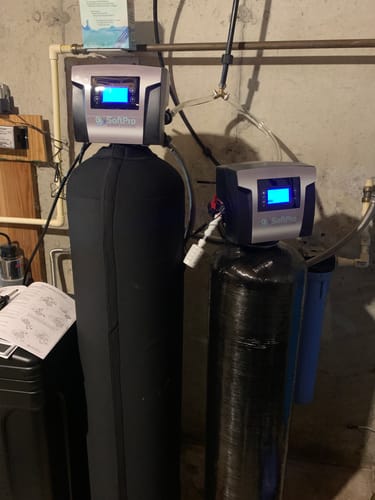
After reaching my breaking point with temporary solutions, I dove headfirst into researching permanent iron removal systems. I spent weeks reading technical specifications, comparing different treatment technologies, and trying to understand the science behind iron filtration.
Initially, I was overwhelmed by the variety of iron removal approaches available. Traditional sand filters, greensand systems, air injection oxidation, chemical oxidation with chlorine, and newer catalytic media – each technology promised to solve my iron problem, but understanding which approach suited my specific situation required significant research.
I learned that the type of iron in my water was crucial for selecting the right treatment method. My water contained primarily ferrous iron (dissolved iron that makes water appear clear but tastes metallic) with some ferric iron (oxidized iron that creates visible red particles). This combination meant I needed a system that could both oxidize dissolved iron and filter out the precipitated particles.
The SoftPro Elite EC caught my attention because it uses air injection oxidation followed by catalytic media filtration. This approach doesn't require ongoing chemical additions like chlorine injection systems, which appealed to me since I preferred avoiding chemical treatments in our drinking water. The system injects air into the water stream, converting ferrous iron to ferric iron, then uses specialized catalytic media to filter out the oxidized particles.
Capacity was another critical factor in my decision. With a family of four and typical suburban water usage patterns, I needed a system that could handle peak demand periods without pressure drops or reduced effectiveness. The Elite EC's flow rate specifications and backwash efficiency seemed well-suited to our household's needs.
Installation requirements played a significant role in my selection process. Many iron removal systems require extensive plumbing modifications, dedicated electrical circuits, or chemical storage areas. The SoftPro Elite EC's relatively straightforward installation requirements and compact footprint made it feasible for our utility room setup without major renovations.
Cost considerations extended beyond the initial purchase price. I calculated ongoing operational costs including electricity for the control valve, water usage during backwash cycles, and eventual media replacement. The Elite EC's efficiency ratings and low maintenance requirements made it competitive with other systems over a five-year ownership period.
Customer support and warranty coverage influenced my final decision. SoftPro's reputation for responsive technical support and comprehensive warranty protection provided confidence that I wouldn't be left stranded if issues arose during installation or operation.
Unboxing and Initial Impressions
The SoftPro Elite EC arrived via freight delivery on a wooden pallet, double-wrapped in protective plastic and secured with heavy-duty strapping. The packaging quality immediately impressed me – this wasn't a system that had been carelessly handled during shipping. The main tank, control head, and media components were individually wrapped and cushioned.
My first physical impression was the system's substantial build quality. The fiberglass reinforced polyethylene tank felt solid and durable, with a smooth finish that looked professional and permanent. At 54 inches tall and 13 inches in diameter, the system had a larger footprint than I expected, but the proportions looked appropriate for the performance specifications.
The electronic control head appeared sophisticated with its LED display and intuitive button layout. The programming interface looked user-friendly, though I knew I'd need to spend time with the manual to understand all the customization options. The control head's robust construction suggested it could withstand the demands of continuous operation.
Unpacking revealed that SoftPro had included everything needed for a complete installation. The bypass valve assembly was pre-assembled and properly sized for the system. The air injection components were neatly packaged with clear identification labels. Even small items like Teflon tape and pipe dope were included, showing attention to installer convenience.
The installation manual was comprehensive but approachable, with clear diagrams and step-by-step instructions. Unlike some technical manuals that seem written for professional installers only, this guide appeared designed for motivated homeowners with basic plumbing skills. The troubleshooting section was particularly thorough, addressing common installation challenges and operational questions.
One pleasant surprise was the included water testing kit that allowed me to verify iron levels before and after installation. This attention to helping customers validate system performance demonstrated confidence in the product and commitment to customer success.
Installation Experience and Setup Process

I decided to tackle the installation myself, having moderate DIY plumbing experience and wanting to understand the system thoroughly. The process took a full Saturday, working methodically through each step to ensure proper installation and avoid costly mistakes.
Preparation involved shutting off the main water supply and draining the system through existing spigots. I had previously identified the installation location in our utility room, ensuring adequate clearance for the tank, accessibility for the control head, and proximity to both electrical power and a drain connection for backwash discharge.
The most challenging aspect was cutting into the main water line and installing the bypass valve assembly. While conceptually straightforward, working with the main supply line felt intimidating given the consequences of errors. I took extra time measuring twice and cutting once, ensuring the bypass valve would align properly with the system's inlet and outlet ports.
Installing the air injection components required careful attention to the manual's specifications for proper positioning and flow direction. The air venturi valve needed precise placement relative to the tank inlet to ensure optimal air-to-water mixing. I appreciated that SoftPro had clearly marked all components with flow direction arrows to prevent installation errors.
Programming the control head initially seemed daunting, but the step-by-step setup wizard made the process manageable. I entered our household's specific parameters including water hardness, iron levels, and daily usage patterns. The system calculated appropriate backwash frequency and duration based on these inputs, though I knew I might need to adjust these settings based on actual performance.
The initial startup sequence was straightforward but required patience. The system needed to complete several backwash cycles to properly condition the catalytic media and establish optimal air-to-water ratios. During this conditioning period, the water had a temporary chlorine-like odor that dissipated after the first few cycles.
Testing the bypass valve operation confirmed that I could isolate the system for maintenance while maintaining water service to the house. This feature provided peace of mind, knowing that future maintenance wouldn't require shutting off our water supply.
Within 24 hours of installation, I could already notice improvements in water taste and clarity. The metallic flavor that had plagued our tap water for years was significantly reduced, and the water appeared clearer and more appetizing.
Performance Testing and Real-World Results
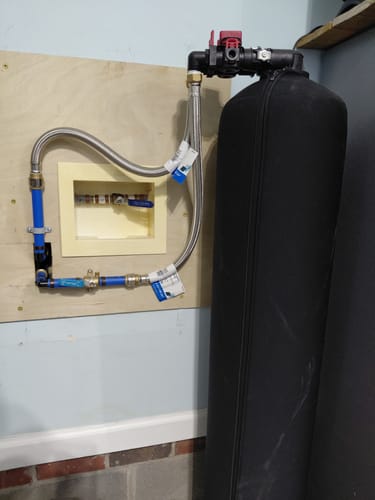
To properly evaluate the SoftPro Elite EC's effectiveness, I conducted systematic testing over a six-month period using both professional water testing kits and careful observation of daily water usage scenarios.
Before installation, my baseline water tests showed iron levels of 4.2 ppm, well above the EPA's recommended 0.3 ppm threshold. The water also contained trace amounts of hydrogen sulfide that contributed to occasional sulfur odors, particularly noticeable in hot water applications.
After the initial conditioning period, post-treatment testing revealed dramatic improvements. Iron levels dropped to 0.1 ppm – well below the aesthetic threshold and virtually undetectable in taste tests. The hydrogen sulfide was completely eliminated, removing the occasional "rotten egg" smell that had appeared intermittently in our hot water.
The most noticeable immediate improvement was in water taste and odor. Coffee and tea no longer carried the metallic aftertaste that had made our tap water unpalatable. Cooking water tasted clean and neutral, allowing food flavors to come through naturally without the harsh mineral interference I'd grown accustomed to.
Laundry results exceeded my expectations. White clothing emerged truly white for the first time in years, without the yellowish tint that iron staining had gradually imposed. I discontinued using specialized iron-fighting laundry additives, saving both money and time in my washing routine.
Bathroom and kitchen fixtures showed remarkable improvement within weeks of installation. New iron staining completely stopped appearing, and existing stains began fading as we cleaned fixtures normally without the constant recontamination that had made previous cleaning efforts futile.
Dishwasher performance improved significantly, with glasses and dishes emerging spot-free and film-free. I was able to reduce rinse aid usage and discontinue the iron-specific dishwasher additives I'd been using monthly.
Water pressure remained consistent throughout the house, even during peak usage periods when multiple fixtures operated simultaneously. The system's flow rate specifications proved accurate in real-world conditions, maintaining adequate pressure for comfortable showers even when the dishwasher or washing machine was running.
Seasonal testing during different weather conditions confirmed consistent performance. Iron levels remained stable regardless of rainfall patterns or seasonal changes that might affect well water chemistry. The system's automatic backwash scheduling adapted well to varying usage patterns during holidays and vacations.
Daily Living Impact and Household Benefits
Six months of living with properly treated water has transformed our daily routines in ways I didn't fully anticipate. Beyond solving the obvious iron problems, the system has delivered quality-of-life improvements that extend throughout our household activities.
Morning routines became more pleasant when coffee and tea finally tasted as intended. My husband, who had gradually switched to drinking more coffee at work to avoid our metallic-tasting home brew, now enjoys his morning coffee again. Guests no longer politely decline offers of tap water or make subtle faces when drinking beverages prepared with our water.
Cooking and food preparation improved dramatically. Rice and pasta water no longer carried off-flavors that subtly affected finished dishes. Ice cubes became crystal clear instead of the slightly cloudy appearance they'd had with untreated water. Even simple tasks like filling the dog's water bowl felt better knowing the water was clean and appealing.
Cleaning tasks throughout the house became significantly easier and more effective. Bathroom cleaning sessions that previously required aggressive scrubbing and specialized iron-removal products now accomplished better results with standard cleaning supplies. The constant battle against orange staining finally ended, allowing us to maintain truly clean-looking fixtures with normal maintenance.
Laundry day transformed from a source of frustration to a routine chore again. I could wash white and light-colored items confidently, knowing they wouldn't emerge stained or discolored. Eliminating iron-fighting laundry additives simplified our washing routine and reduced monthly household expenses.
Personal care improvements were subtler but meaningful. Showering with iron-free water left hair feeling softer and more manageable. Skin irritation that we'd attributed to other causes decreased noticeably, particularly for family members with sensitive skin.
Our home's aesthetic appeal improved as fixtures regained their original appearance. The bathroom that had looked perpetually dirty despite constant cleaning now stays looking fresh and clean with normal maintenance. Kitchen faucets and sink surfaces maintain their intended finish without constant iron stain removal treatments.
Water usage patterns changed as we regained confidence in our tap water. Bottled water purchases dropped to nearly zero, saving approximately $60 monthly while reducing plastic waste. We started using tap water for drinking, cooking, and even serving to guests without hesitation.
Appliance longevity should improve significantly, though the full impact won't be apparent for several years. The water heater, dishwasher, and washing machine no longer accumulate iron deposits that reduce efficiency and accelerate wear. This preventive benefit should translate to extended appliance life and reduced maintenance costs over time.
Operating Costs and Maintenance Reality
Understanding the true cost of ownership was crucial for my buying decision, so I've carefully tracked all operational expenses and maintenance requirements during my six months of ownership.
Electricity consumption for the control valve and periodic backwash cycles adds approximately $12 monthly to our utility bill. This cost is minimal compared to the money we're saving by eliminating bottled water purchases and specialized cleaning products.
Water usage during backwash cycles represents the most significant ongoing operational cost. Each backwash cycle consumes approximately 240 gallons and occurs every three days based on our household's usage patterns. At our local water rates, this adds about $25 monthly to our water bill. While substantial, this cost is offset by savings in other areas and the value of having consistently clean water.
Maintenance requirements have been minimal during the first six months. The system's self-cleaning backwash cycles eliminate the need for manual media cleaning or chemical treatments. I perform monthly visual inspections of the control head display and quarterly checks of the bypass valve operation, but these tasks require only a few minutes each.
The air injection system requires occasional attention to ensure optimal performance. I clean the air venturi valve quarterly by removing it and rinsing with clean water. This simple maintenance task takes about 10 minutes and helps maintain proper air-to-water ratios for effective iron oxidation.
Annual professional service isn't strictly required, but I plan to have the system inspected after the first year to verify optimal performance and address any adjustments needed based on our specific water conditions and usage patterns. This preventive approach should help maximize system lifespan and maintain peak performance.
Future costs will include eventual catalytic media replacement, typically required every 5-7 years depending on water conditions and usage volume. SoftPro estimates this service at approximately $400-500, which represents reasonable ongoing investment for continued performance.
Total cost of ownership, including purchase price, installation, and operational costs, calculates to about $95 monthly over a five-year period. This cost is competitive with other iron removal approaches and reasonable considering the comprehensive water quality improvements and lifestyle benefits provided.
Comparing ownership costs to our previous situation, we're saving approximately $75 monthly in bottled water, specialized cleaning products, and damaged clothing replacement. The system essentially pays for its operational costs through eliminated expenses while providing superior water quality.
Honest Assessment: Limitations and Considerations
After six months of ownership, I can provide an honest assessment that includes both the system's impressive benefits and its realistic limitations that potential buyers should understand.
The most significant consideration is the substantial water usage during backwash cycles. In areas with expensive water rates or limited well capacity, the 240 gallons used every few days might be concerning. For our situation, this usage is manageable, but households with water supply limitations or high utility costs should factor this into their decision.
Installation complexity might challenge homeowners without plumbing experience. While I successfully completed the installation myself, the process required confidence working with main water lines and careful attention to technical specifications. Professional installation adds $400-600 to the total cost but ensures proper setup and warranty coverage.
The system's physical footprint requires adequate utility space. At 54 inches tall and requiring clearance for service access, the Elite EC needs more room than some alternative iron treatment approaches. Homes with limited utility space might find the size challenging.
Programming and adjustment options, while comprehensive, can seem overwhelming initially. The control head offers extensive customization, but understanding optimal settings for specific water conditions requires patience and sometimes trial-and-error adjustment. More guidance on fine-tuning would be helpful.
Noise during backwash cycles is noticeable but not excessive. The process occurs at programmed times (typically early morning) and lasts about 12 minutes. Light sleepers might find the water flow sounds disruptive if the utility room is adjacent to bedrooms.
Performance with extremely high iron levels (above 10 ppm) might require additional pre-treatment or more frequent maintenance. My moderate iron levels (4.2 ppm) are well within the system's optimal range, but severely contaminated water might challenge single-stage treatment.
The air injection system occasionally produces temporary air in the water lines immediately after backwash cycles. This condition resolves quickly as trapped air clears, but it can cause brief sputtering at faucets and appliances.
Long-term reliability remains unproven in my experience since I've only owned the system six months. While SoftPro's reputation and warranty coverage provide confidence, I can't yet assess how well components will perform after years of operation.
Despite these limitations, the SoftPro Elite EC has exceeded my expectations for solving our iron water problems. The considerations mentioned above are manageable trade-offs for the significant water quality improvements and lifestyle benefits the system provides. Understanding these limitations upfront helps set realistic expectations and ensures informed purchasing decisions.






