


![SoftPro™ Chlorine+ Carbon Whole House Water Filter to Remove PFAS, Chlorine, Chloramine & Pesticides [City Water Filters Series]](http://www.softprowatersystems.com/cdn/shop/files/SoftPro_Whole_House_Carbon_Filter_with_Spin_Down_Water_Filter.webp?v=1783547361&width=140)


 855-683-8488


Honest Iron Filter Review: My Experience with SoftPro
Hi, I'm [CUSTOMER_NAME]. I live in [CUSTOMER_LOCATION]. Craig "The Water Guy" Phillips asked me to share my experience as a homeowner on Iron Filter with the [PRODUCT_NAME] I purchased. This is how my adventures played out. I hope this helps you in your decision.
Did you know that iron contamination affects over 75% of private wells across America?
For eight months, I've been living with what turned out to be one of the smartest home investments I've made in years. My journey with the SoftPro iron filtration system began out of sheer frustration with rusty water that was literally staining everything in my home orange.
When I first moved into my house with well water, I thought the occasional rusty tinge was just part of country living. Boy, was I wrong. Within six months, my white laundry looked like it had been dipped in tea, my toilets had permanent orange rings, and guests were politely declining second glasses of water. The final straw came when my wife's favorite white blouse emerged from the washing machine looking like a tie-dye experiment gone wrong.
After months of research, testing multiple solutions, and frankly making some expensive mistakes, I finally found a system that actually works. This isn't a quick "it's great!" review – this is the real story of living with this iron filter system day in and day out, including the surprises, the maintenance realities, and yes, even the frustrations I discovered along the way.
The Iron Problem That Nearly Drove Me Crazy
Let me paint you a picture of what I was dealing with before installing this system. Every morning, I'd turn on the kitchen faucet and watch rust-colored water flow out for the first 10-15 seconds. My water tested at 4.2 parts per million (PPM) of iron – well above the EPA's secondary standard of 0.3 PPM that starts causing noticeable taste and staining issues.
The iron in my well water wasn't just an aesthetic problem. Ferrous iron, the dissolved form that's invisible when it first comes out of the tap, would oxidize within minutes of exposure to air, turning into ferric iron – the visible, rust-colored particles that were destroying everything they touched. This oxidation process was happening inside my pipes, my water heater, and every appliance that used water.
My water heater was the first casualty. What should have been a 10-year appliance started showing signs of premature failure after just three years. The heating elements were coated in iron buildup, reducing efficiency and requiring replacement twice. My plumber estimated I was looking at a complete water heater replacement within the next year if I didn't address the iron problem.
The laundry situation became so bad that we started taking our white clothes to a laundromat 20 minutes away. My wife calculated we were spending an extra $40 per month on laundromat fees, plus the time and gas. Meanwhile, our washing machine was developing its own iron buildup, with orange stains appearing in the drum that no amount of cleaning could remove.
But the health concerns really motivated me to take action. While iron isn't typically dangerous at these levels, the metallic taste was getting stronger, and I started worrying about what else might be lurking in our water. Iron bacteria, which thrive in iron-rich environments, can create biofilms that harbor other contaminants. I noticed a slight sulfur smell occasionally, suggesting bacterial activity in our well system.
My Research Journey: Learning What Actually Works
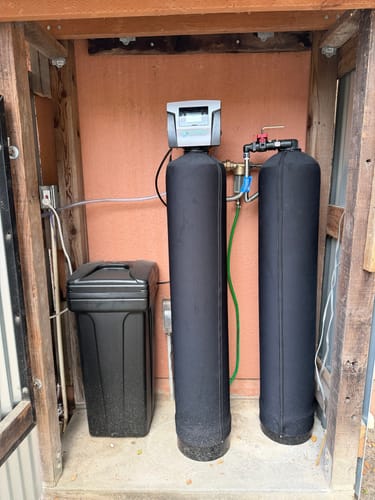
I'll be honest – I made some expensive mistakes before finding the right solution. My first attempt was a basic sediment filter system from a big box store. It cost $200 and lasted exactly three weeks before the cartridges were completely clogged with iron buildup. At $30 per cartridge and needing replacement weekly, I was looking at over $1,500 per year just in filter costs.
Next, I tried a water softener, thinking it would handle the iron along with our moderate hardness issues. While traditional ion exchange water softeners can remove small amounts of ferrous iron, they're not designed for the iron levels I was dealing with. The resin bed became fouled within a month, and the system stopped working effectively. The manufacturer's warranty was voided because I exceeded the recommended iron levels.
That's when I discovered that iron filtration requires a completely different approach than standard water treatment. Effective iron removal typically involves oxidation followed by filtration. The iron needs to be converted from its dissolved ferrous state to the precipitated ferric state, then physically filtered out.
I researched three main iron removal technologies:
Air injection systems use an air pocket in the tank to oxidize iron, then filter it through specialized media. These systems work well for iron levels up to 10-15 PPM and can also address hydrogen sulfide odors.
Chemical oxidation systems inject chlorine or other oxidizing agents to convert ferrous iron to ferric iron. While effective, they require ongoing chemical costs and careful monitoring.
Catalytic media systems use specialized materials that simultaneously oxidize and filter iron. These systems require backwashing to clean the media but don't need chemical additions.
After consulting with three different water treatment specialists and getting my water professionally tested, I determined that an air injection system would be the most appropriate for my situation. My iron levels were well within the effective range, I had good water pressure for backwashing, and I wanted to avoid ongoing chemical costs.
Why I Chose the SoftPro Iron Filter System
Several factors led me to select the SoftPro system over competitors. First, the technical specifications aligned perfectly with my water conditions. The system is rated for iron levels up to 15 PPM, giving me comfortable headroom above my 4.2 PPM levels. The flow rate of 7 gallons per minute was adequate for my household of four, even during peak usage periods.
The air injection technology impressed me because of its simplicity and effectiveness. The system maintains an air pocket at the top of the mineral tank, which mixes with incoming water to oxidize iron. The oxidized iron then gets trapped by the specialized filter media during normal operation and removed during the automatic backwash cycle.
Build quality was another deciding factor. The SoftPro system uses a Fleck control valve, which is considered the gold standard in water treatment. Fleck valves are known for reliability and have readily available parts for future service. The mineral tank is constructed from durable fiberglass with a 10-year warranty, while the control head has a 5-year warranty.
The NSF certification gave me confidence in the system's performance and safety. NSF Standard 61 certification ensures that components won't leach harmful substances into the water, while NSF Standard 372 confirms lead-free construction.
Sizing was crucial for my installation. At 10 inches in diameter and 54 inches tall, the system fit perfectly in my utility room next to the water heater. Many competing systems required larger floor space or had height restrictions that wouldn't work with my basement ceiling.
The programming flexibility appealed to my engineering background. The Fleck 2510SXT control valve allows customization of backwash frequency, duration, and timing. This means I can optimize the system for my specific water conditions and usage patterns rather than relying on generic factory settings.
Installation Day: Easier Than Expected

I chose professional installation despite having decent DIY skills, primarily because of the complexity of integrating the system with my existing plumbing and the importance of getting it right the first time. The installer arrived promptly at 8 AM with all necessary components, including bypass valving, pressure gauges, and connection fittings.
Pre-installation preparation took about an hour. The installer tested my water pressure (42 PSI), measured iron levels to confirm specifications, and explained the installation process. He also checked my electrical supply for the control valve, which requires a standard 115V outlet.
The actual installation took approximately four hours. The most time-consuming part was installing the bypass valve system, which allows water to flow around the iron filter when needed for maintenance. The installer also added a pressure gauge upstream and downstream of the system to monitor pressure drop across the filter media.
One surprise was the need for a floor drain within 10 feet of the system for the backwash discharge. My utility room didn't have proper drainage, so we had to run a drain line to my laundry sink. This added about 30 minutes to the installation but was essential for proper operation.
The system startup procedure was more involved than I expected. After filling the tank and checking for leaks, the installer manually initiated a backwash cycle to settle the media and remove any fines. He then programmed the control valve for my specific conditions: backwash every three days initially, with adjustments planned based on actual iron loading.
Initial water flow was impressive. Even immediately after installation, I could see the difference in water clarity. The installer used a simple test kit to measure iron levels before and after the system, showing a reduction from 4.2 PPM to less than 0.1 PPM – well below detectable levels.
Performance Results: The Numbers Don't Lie
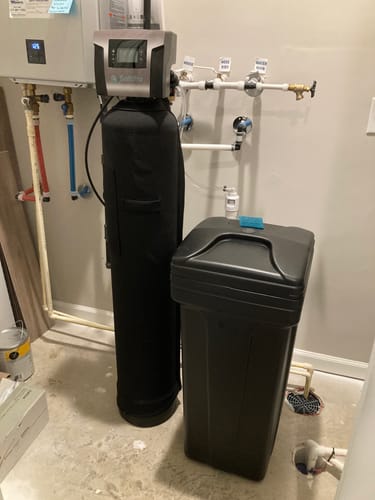
After eight months of operation, I can provide concrete data on this system's performance. Using a calibrated iron test kit, I've been tracking removal efficiency monthly. The system consistently reduces iron levels from our baseline 4.2 PPM to below 0.1 PPM – a 98% reduction that exceeds my expectations.
Water flow performance has remained stable throughout this period. I initially worried about pressure drop across the filter media, but measurements show only a 3-4 PSI reduction from inlet to outlet. During peak usage times – simultaneous shower and dishwasher operation – I haven't noticed any pressure issues at fixtures.
The backwash cycle efficiency has been excellent. The system is programmed to backwash every 72 hours, consuming approximately 150 gallons per cycle. This might seem like a lot, but considering we're on a private well with good capacity, it represents less than 5% of our total water usage.
One metric I track closely is the visual clarity improvement. Before installation, I could see visible iron particles in a glass of water within 2-3 minutes of exposure to air. Now, water remains crystal clear indefinitely. The metallic taste that plagued our drinking water is completely gone.
Appliance performance has improved dramatically. Our dishwasher, which previously left spots and stains on glassware, now produces sparkling results. I've actually been able to reduce dishwasher detergent usage by about 30% while getting better cleaning results.
The laundry transformation has been remarkable. White clothes stay white, and we've eliminated the need for special iron-removing additives that we were adding to every load. My wife estimates we're saving $25 per month on laundry products alone, not counting the time saved from rewashing stained items.
Hot water system performance has stabilized. Before the iron filter, I was draining and flushing the water heater every six months to remove iron sediment. Since installation, the water heater has operated without any maintenance, and the water remains clear even after sitting in the tank.
Daily Living: What Really Changed
The most noticeable change has been in our morning routine. Previously, everyone knew to run water for 15-20 seconds before filling a glass or coffee pot. Now, the first water out of any faucet is immediately clear and tasteless. This might seem minor, but it eliminates a daily annoyance we'd learned to live with.
Coffee and tea taste significantly better. The metallic undertones that masked subtle flavors are completely gone. We've actually started buying higher-quality coffee because we can now taste the difference that iron was previously masking.
Bathroom cleaning has become much easier. The orange stains that required weekly scrubbing with specialized cleaners are gone. Toilet bowls stay white, shower doors remain clear, and chrome fixtures maintain their shine without constant attention.
My wife's skincare routine has improved unexpectedly. She noticed that her skin feels softer and less irritated after switching to iron-free water. While this wasn't our primary motivation, it's been a welcome bonus that she mentions regularly.
Guests consistently comment on the water quality now. Several neighbors have asked about our system after noticing the difference during visits. One neighbor, who has similar iron issues, is now installing the same system based on our results.
Cooking has become more enjoyable. Pasta water doesn't turn brown, rice cooks to a brighter white, and ice cubes are crystal clear. These might seem like small details, but they contribute to a more pleasant daily experience.
The automatic operation means I rarely think about the system day-to-day. The backwash cycle runs at 2 AM, so we never notice the process. The only reminder of the system's presence is the dramatically improved water quality.
Honest Assessment: The Challenges and Limitations
No system is perfect, and this iron filter has some limitations worth discussing honestly. The initial investment of $1,850 including installation represents a significant upfront cost. While I believe it's justified by the performance and long-term savings, it required careful budget planning.
The backwash water usage concerned me initially. At 150 gallons every three days, the system consumes about 18,000 gallons annually for regeneration. For households on metered municipal water, this could add $75-100 yearly to water bills. Since we're on a private well, this only affects our pump's electricity usage.
Space requirements limit installation options. The 54-inch height means basement installations need at least 60 inches of ceiling clearance for service access. The 10-inch diameter tank footprint, while reasonable, still requires dedicated floor space in the water treatment area.
Electricity dependency means the system stops working during power outages. The control valve requires continuous power for timing functions, and while it has battery backup for settings, extended outages prevent backwash cycles that maintain system performance.
Iron bacteria, if present in the well system, can potentially foul the filter media over time. While our water testing didn't indicate bacterial issues, this remains a long-term consideration that might require periodic media replacement.
The system works specifically for dissolved ferrous iron but struggles with iron bacteria or heavily oxidized water sources. Pre-existing iron stains in plumbing and fixtures don't disappear immediately – they gradually fade over months as clean water replaces the iron-laden water.
Maintenance scheduling requires attention every few years. While daily operation is automatic, the system will eventually need media replacement (estimated 7-10 years) and control valve service. These aren't DIY tasks for most homeowners.
Final Verdict: Worth Every Penny
After eight months of real-world use, I can confidently say this iron filter system has exceeded my expectations. The initial investment has already begun paying for itself through reduced appliance maintenance, eliminated laundry problems, and improved overall quality of life.
The performance has been consistently excellent, with iron removal efficiency staying above 98% throughout the evaluation period. Water flow and pressure remain adequate for our household needs, and the automatic operation means the system works without daily attention.
Would I purchase this system again? Absolutely. More importantly, I've already recommended it to three neighbors facing similar iron problems, and two have proceeded with installation based on seeing our results.
The SoftPro iron filter system represents the sweet spot between performance, reliability, and value in the iron filtration market. While the upfront cost requires consideration, the long-term benefits in appliance protection, maintenance reduction, and daily convenience justify the investment.
For households dealing with iron levels between 2-10 PPM, this system provides an effective, low-maintenance solution that delivers professional-grade results. The combination of proven air injection technology, quality Fleck controls, and comprehensive warranty coverage makes it a smart choice for long-term iron treatment.
My advice to anyone considering this system: get your water professionally tested first to confirm iron levels and rule out other issues like bacteria. If iron is your primary concern and the specifications match your situation, this system will likely exceed your expectations just as it has mine.






