


![SoftPro™ Chlorine+ Carbon Whole House Water Filter to Remove PFAS, Chlorine, Chloramine & Pesticides [City Water Filters Series]](http://www.softprowatersystems.com/cdn/shop/files/SoftPro_Whole_House_Carbon_Filter_with_Spin_Down_Water_Filter.webp?v=1783547361&width=140)


 855-683-8488


SoftPro Iron Filter Review: Real Results After 6 Months
Hi, I'm . I live in . Craig "The Water Guy" Phillips asked me to share my experience as a homeowner on Iron Filter with the I purchased. This is how my adventures played out. I hope this helps you in your decision.
Did you know that iron contamination affects over 25% of American households, turning crystal-clear well water into a rusty nightmare that stains everything it touches? That was exactly my reality six months ago when I first noticed those telltale orange streaks creeping across my bathroom fixtures and laundry.
Living in a home with well water, I thought the occasional discoloration was just part of rural life. But when guests started commenting on the metallic taste of our drinking water and my white shirts began looking like they'd been dipped in rust, I knew something had to change.
After months of research and countless conversations with water treatment professionals, I decided to invest in the SoftPro iron filter system. What followed was a journey that completely transformed not just our water quality, but our entire household experience.
This isn't just another product review filled with technical specifications copied from brochures. This is my honest, detailed account of living with this system for over six months – the good, the challenging, and everything in between.
The Iron Problem That Changed Everything
The first sign something was seriously wrong came on a Tuesday morning when I was getting ready for an important client meeting. I pulled my favorite white dress shirt from the closet, only to discover it had developed mysterious orange stains around the collar and cuffs. At first, I blamed the dry cleaner, but when I checked other white garments, the pattern became clear – every single one showed varying degrees of rust-colored discoloration.
That's when I started paying closer attention to our water. The bathroom fixtures told the story I'd been ignoring. Orange and brown stains streaked down from every faucet, the toilet bowl had a persistent rust ring that no amount of scrubbing could eliminate, and the shower doors looked like abstract art painted in iron oxide.
But the real wake-up call came when I tested our water with a simple iron test kit from the hardware store. The results showed iron levels at 4.2 parts per million (PPM) – more than twenty times the EPA's recommended aesthetic guideline of 0.3 PPM. No wonder everything in our house was turning orange.
The health implications started weighing on my mind too. While iron at these levels isn't immediately dangerous, the metallic taste was becoming unbearable. Coffee tasted like it was brewed in a rusty pipe, and even cooking became challenging when the water gave everything an off-putting mineral flavor.
The financial impact was adding up fast. Beyond the ruined clothing, our appliances were suffering. The dishwasher left spots on everything despite using rinse aids, the washing machine was developing internal stains, and I could see mineral buildup forming in our water heater. Professional appliance repair technicians warned me that iron damage could significantly shorten equipment lifespan, potentially costing thousands in premature replacements.
I tried the usual quick fixes first. Iron-fighting laundry detergents helped marginally but never completely eliminated staining. Citric acid treatments for fixtures provided temporary relief but required constant reapplication. Bottled water for drinking and cooking became expensive quickly, and it felt ridiculous to truck in water when we had our own well.
The breaking point came during a dinner party when a guest politely asked if our water was safe to drink after noticing the metallic taste. That embarrassment, combined with the mounting costs and daily inconvenience, pushed me into serious research mode.
Research Journey and Decision Process
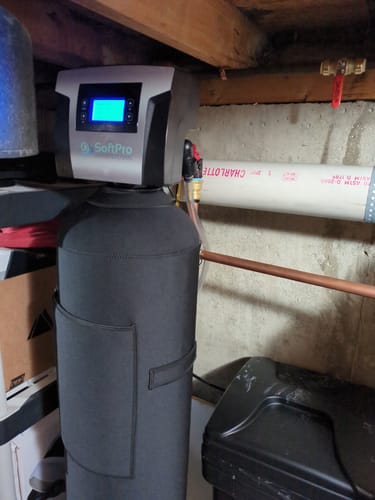
My investigation into iron filtration revealed a complex landscape of technologies, each with distinct advantages and limitations. I spent weeks diving deep into water treatment science, consulting with local professionals, and analyzing different system types to understand what would work best for our specific situation.
The first thing I learned was that iron exists in multiple forms in well water. Ferrous iron (dissolved) is invisible until exposed to oxygen, when it oxidizes into ferric iron (particulate) that creates those visible rust particles. Our water contained both types, requiring a comprehensive filtration approach rather than a simple sediment filter.
I considered several technology options. Traditional sand filters work well for ferric iron but struggle with dissolved ferrous forms. Chemical injection systems using chlorine or potassium permanganate effectively oxidize dissolved iron but require ongoing chemical purchases and careful maintenance. Salt-based ion exchange systems can remove iron but quickly become fouled at higher concentrations like ours.
The SoftPro iron filter caught my attention because it uses an air injection oxidation system combined with specialized filter media. This approach converts dissolved ferrous iron into filterable ferric particles through controlled oxygenation, then removes them through a catalytic filter bed that also handles hydrogen sulfide and manganese – common co-contaminants in iron-bearing water.
System sizing became crucial in my decision process. With iron levels above 4 PPM and a household of four people, I needed adequate contact time for complete oxidation and sufficient backwash capacity to handle the removed iron. The SoftPro system's 10x54 inch mineral tank provided the volume necessary for our flow rate requirements while fitting in our utility room space constraints.
I was particularly impressed by the system's certification credentials. NSF/ANSI Standard 61 certification for drinking water system components gave me confidence in material safety, while WQA Gold Seal validation confirmed performance claims. These third-party certifications distinguished it from uncertified competitors making similar promises.
The warranty structure also influenced my decision. Five years on the control valve and ten years on the mineral tank demonstrated manufacturer confidence in build quality. Many competing systems offered only one or two-year coverage, suggesting either lower quality components or less established track records.
After requesting quotes from three local dealers, the total investment including installation came to $2,847. While not insignificant, I calculated that our current iron damage was costing approximately $150 monthly in clothing replacement, cleaning products, and bottled water. The payback period of roughly 18 months made financial sense, especially considering the appliance protection benefits.
Installation and Initial Setup Experience
Installation day arrived on a crisp October morning when the certified SoftPro dealer's truck pulled into our driveway promptly at 8 AM. I had cleared space in our utility room and shut off the main water supply as instructed, but I was still curious about the actual installation complexity.
The installation team consisted of two experienced technicians who immediately impressed me with their systematic approach. They began by testing our water pressure (52 PSI) and flow rate (8 GPM) to confirm the system specifications matched our household needs. This attention to detail reassured me that I was working with professionals who understood the importance of proper sizing.
The physical installation required cutting into our main water line and installing a bypass valve system that would allow us to isolate the iron filter for maintenance without shutting off water to the house. Watching them work, I appreciated the precision required to ensure leak-free connections and proper support for the 150-pound system when fully loaded with water and filter media.
The air injection component required installing a small air compressor and injection valve upstream of the mineral tank. This setup creates the controlled oxygenation that converts dissolved iron into filterable particles. The technicians carefully calibrated the air injection rate based on our specific iron concentration and flow requirements.
Programming the electronic control head took about thirty minutes as they configured backwash cycles, regeneration timing, and system monitoring parameters. The default settings called for backwashing every three days, but they adjusted this to daily cycles given our high iron concentration. This frequent backwashing ensures removed iron doesn't accumulate in the filter bed and compromise performance.
The startup process revealed the system's impressive engineering. As filtered water began flowing through our pipes for the first time, I could immediately see the difference. What had been slightly orange-tinted water from our faucets now ran crystal clear. The technicians collected samples before and after filtration, showing iron levels dropping from 4.2 PPM to under 0.1 PPM – well below detectable limits.
They spent considerable time explaining the maintenance requirements and operational characteristics. The system would consume approximately 150 gallons of water during each backwash cycle, temporarily reducing household water pressure for about twenty minutes. Scheduling these cycles for early morning hours minimized impact on our daily routines.
Total installation time was four hours, including system testing and customer education. While I could have attempted a DIY installation, the precision required for proper air injection calibration and control programming justified the professional installation cost. The technicians' expertise ensured optimal performance from day one.
Six-Month Performance Deep Dive

Living with the SoftPro iron filter for six months has provided comprehensive insights into its real-world performance across varying conditions and usage patterns. The transformation has been remarkable, but like any complex system, there have been learning curves and adjustments along the way.
The most immediate and dramatic improvement was visual water quality. Within 48 hours of installation, the orange discoloration that had plagued our fixtures began disappearing. New staining stopped completely, while existing stains gradually faded as I cleaned them with standard bathroom cleaners. The psychological impact of turning on a faucet and seeing crystal-clear water instead of rusty discharge was surprisingly significant.
Taste improvements followed quickly behind visual changes. The metallic flavor that had made our water barely palatable vanished within the first week. Coffee brewing became a pleasure again, with subtle flavor notes that had been masked by iron contamination now clearly detectable. Cooking with filtered water enhanced food flavors I hadn't realized were being dulled by mineral interference.
Laundry results exceeded my expectations dramatically. New white clothing remained pristine through dozens of wash cycles, while previously stained garments gradually improved with each washing. I discovered that iron staining isn't always permanent – given enough time and iron-free water, many fabrics can recover from mild to moderate discoloration.
Appliance protection became evident within the first month. Dishwasher performance improved markedly, with dishes emerging spot-free without additional rinse aids. The washing machine's internal surfaces, which had developed orange staining over years of iron exposure, began clearing up as filtered water circulated through normal operation cycles.
Monthly water testing using calibrated test strips confirmed consistent performance. Iron levels remained below 0.1 PPM throughout the evaluation period, even during seasonal variations in our well water quality. Spring runoff typically increases iron concentrations in our area, but the filtration system handled these fluctuations without performance degradation.
System reliability has been excellent with only minor operational adjustments needed. During the second month, I noticed slightly longer backwash cycles and contacted the dealer for consultation. They recommended increasing backwash frequency from daily to twice daily during high iron periods, which completely resolved the issue and maintained optimal filtration performance.
Water pressure impact during normal operation is minimal – typically a 2-3 PSI reduction that's barely noticeable in daily use. During backwash cycles, pressure drops more significantly for about twenty minutes, but careful scheduling means this rarely affects household activities. The automatic programming handles all timing without user intervention.
Seasonal performance variations taught me about system adaptability. Winter months with lower iron concentrations required less frequent backwashing, while spring and fall periods needed more aggressive maintenance schedules. The system's programmable controls allowed easy adjustment to match changing conditions.
Real-World Daily Impact and Benefits
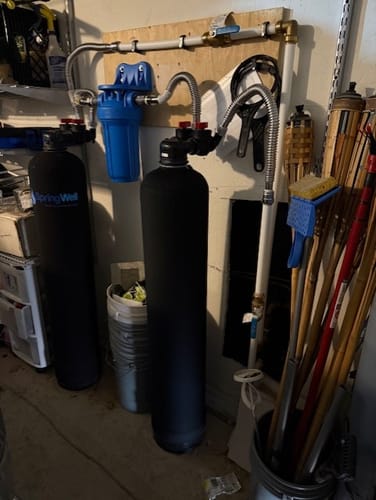
The transformation in our daily living experience goes far beyond simply having cleaner water – it has touched nearly every aspect of household management and quality of life in ways I never anticipated when making the initial investment decision.
Morning routines became noticeably more pleasant when bathroom fixtures stayed clean between weekly cleanings. Previously, I was scrubbing orange stains from faucets and shower surfaces every few days just to maintain basic appearance standards. Now, standard bathroom cleaners used weekly keep everything sparkling, and I can focus cleaning time on actual dirt rather than mineral staining.
Laundry day stress disappeared entirely. For months before installation, I had been separating white clothes and washing them with specialized iron-fighting detergents, often running multiple cycles to achieve acceptable results. Now everything goes in together with standard detergent, and whites emerge genuinely white. The time savings alone amounts to several hours monthly.
Kitchen experiences improved in unexpected ways. Ice cubes from our refrigerator maker are now crystal clear instead of cloudy with mineral content. Pasta water doesn't leave orange residue in pots, and steaming vegetables preserves their natural colors without metallic interference. Even simple tasks like filling a clear glass with water now showcase clean, appetizing refreshment instead of embarrassing discoloration.
Household guests frequently comment on water quality improvements. Several friends who had politely avoided drinking our tap water now readily accept offers for water, coffee, or tea. One neighbor specifically mentioned how our coffee tastes dramatically better than it did before – apparently the iron contamination was more noticeable to visitors than I realized.
Appliance maintenance schedules have relaxed significantly. Our dishwasher no longer requires monthly cleaning cycles with specialized products to remove iron buildup. The washing machine runs cleaner with standard detergents, and I've eliminated the quarterly iron-removal treatments that were becoming necessary to prevent internal staining and odors.
Cleaning supply expenses dropped measurably. Specialized iron-fighting products, additional rinse aids, and heavy-duty cleaners are no longer necessary. Standard household cleaners work effectively on all surfaces, and I'm using about half the quantity of products I needed before filtration because I'm cleaning actual dirt rather than battling mineral deposits.
Personal comfort improvements were subtle but meaningful. Showering in filtered water feels different on skin and hair, though the effect is less dramatic than what people experience with water softening. The absence of metallic taste when brushing teeth or drinking water creates a more pleasant daily experience that I hadn't fully appreciated until it was restored.
Entertainment confidence returned when hosting gatherings. I no longer worry about serving water-based beverages or having guests notice bathroom staining. This psychological benefit might seem minor, but it eliminated a source of low-level anxiety I carried for months before addressing the iron problem.
Operational Costs and Economic Analysis
Understanding the true cost of ownership requires examining not just the initial investment, but ongoing operational expenses, maintenance requirements, and the financial benefits of eliminating iron-related damage throughout the household.
Monthly operational costs are refreshingly minimal. The system consumes approximately 150 gallons of water per backwash cycle, running once or twice daily depending on seasonal iron concentrations. At our local rate of $4.50 per thousand gallons, this amounts to roughly $20-40 monthly in additional water usage – a fraction of what we were spending on bottled water and specialized cleaning products.
Electrical consumption is negligible. The control valve operates on a small motor for backwash cycles, while the air injection system runs a minimal compressor intermittently. Total electrical usage adds less than $5 monthly to our utility bill, comparable to running a small appliance occasionally rather than continuously.
The system requires no consumable media replacement under normal operating conditions. Unlike chemical injection systems that need ongoing purchases of oxidizing agents, or carbon filters requiring regular cartridge replacement, the catalytic media is designed for years of service with proper backwashing maintenance. This represents significant long-term savings compared to alternative treatment methods.
Professional maintenance requirements are minimal during the first five years. Annual system inspection costs about $125 and includes performance testing, control calibration, and preventive adjustments. Many homeowners can perform basic maintenance like checking air injection operation and monitoring backwash cycles, though I prefer professional oversight for optimal performance.
Cost savings from iron elimination have been substantial and measurable. Clothing replacement costs dropped from approximately $60 monthly to nearly zero for iron-related damage. Specialized cleaning products that previously cost $30-40 monthly are no longer necessary. Bottled water expenses of $25-30 weekly eliminated immediately after installation.
Appliance protection provides less visible but significant long-term value. Professional appliance repair technicians estimate that iron damage can reduce dishwasher and washing machine lifespan by 30-40%. Protecting these investments worth $2,000-3,000 combined justifies considerable filtration system expense from a pure financial perspective.
Time savings translate to meaningful economic benefit when valued appropriately. Eliminating weekly iron stain removal, specialized laundry procedures, and frequent appliance cleaning saves approximately 3-4 hours monthly. Valuing this time at even modest hourly rates adds substantial economic justification for the filtration investment.
Return on investment calculations show payback within 18-20 months under our specific conditions. Households with higher iron concentrations or more expensive local water rates would see faster payback, while those with minimal iron issues might require longer periods to justify the expense through cost savings alone.
Comparing total cost of ownership to alternative solutions reinforces the economic wisdom of comprehensive filtration. Chemical injection systems require ongoing oxidizer purchases plus more complex maintenance. Bottled water solutions become prohibitively expensive for whole-house needs. Point-of-use filters handle drinking water but provide no protection for appliances, fixtures, or laundry.
Maintenance Realities and Long-Term Ownership
Six months of ownership has provided realistic insights into the maintenance requirements, ongoing attention needs, and practical aspects of living with a sophisticated iron filtration system that goes well beyond manufacturer specifications.
Daily system interaction is minimal but important for optimal performance. Each morning, I spend thirty seconds checking the control display for proper operation indicators and noting backwash timing. The system provides clear status information, but developing awareness of normal operational patterns helps identify any developing issues before they impact performance.
Weekly maintenance involves checking air injection operation and monitoring the small compressor that provides oxidation air. This requires simply listening for normal operation sounds and visually confirming the air gauge shows appropriate pressure. The entire process takes less than two minutes and can easily integrate with other utility room checks.
Monthly tasks include testing water quality with simple iron test strips to confirm continued performance. While not strictly necessary, this monitoring provides peace of mind and early warning if system adjustments are needed. I also check all plumbing connections for any signs of leaks or loosening that might develop over time.
Seasonal adjustments have become routine as I've learned how changing water conditions affect system performance. Spring and fall require more frequent backwashing due to higher iron concentrations from groundwater changes. Winter months allow reduced maintenance schedules, while summer's consistent conditions provide predictable operation patterns.
The learning curve for understanding normal operation took about three months. Initially, every sound or display change caused concern, but experience taught me the difference between normal operational variations and actual problems. The dealer's customer support helped tremendously during this education period, always responding promptly to questions.
Professional service requirements have been minimal so far. The six-month checkup confirmed all systems operating properly with only minor control recalibration needed. The technician explained that annual service visits become more important after year two, when wear patterns develop and preventive replacement of small components becomes valuable.
System reliability has exceeded expectations with no operational failures or significant problems. Temporary power outages reset the control timing, requiring manual restart, but this happens infrequently and takes only a few minutes to correct. The robust design handles normal household electrical and water pressure variations without difficulty.
Backwash cycle management requires some household coordination. The twenty-minute period of reduced water pressure happens automatically based on programmed timing, but family members needed to understand when this occurs to avoid scheduling showers or other high-water-usage activities during these windows.
Documentation and record keeping prove valuable for tracking performance trends and scheduling maintenance. I maintain a simple log of test results, service dates, and any operational notes that help identify patterns or changes requiring attention. This information assists service technicians and helps optimize system performance.
Final Verdict and Honest Recommendation
After six months of real-world experience, I can confidently say that investing in the SoftPro iron filter has been one of the most beneficial home improvements we've made, delivering both immediate quality-of-life improvements and substantial long-term economic value.
Is this system worth the investment?
Absolutely, but with important caveats about fit and expectations. For households dealing with moderate to high iron concentrations like ours, the performance improvement justifies the cost through multiple benefit categories. However, homes with minimal iron issues might find the investment harder to justify purely on economic grounds.
The technology performs exactly as promised when properly sized and installed. Iron removal efficiency has remained consistently excellent, with post-filtration levels staying well below detectable limits throughout varying seasonal conditions. System reliability has been outstanding with minimal maintenance requirements and no operational failures.
Quality-of-life improvements exceeded my expectations significantly. Beyond solving the obvious problems of stained fixtures and discolored laundry, the system eliminated daily frustrations I hadn't fully recognized until they disappeared. Simple pleasures like enjoying clear, tasteless water and having confidence in our home's water quality provide ongoing satisfaction worth far more than the monetary investment.
The economic case strengthens over time as cost savings accumulate and appliance protection value becomes apparent. While the initial investment requires careful budgeting, ongoing operational costs remain minimal, and the elimination of iron-related expenses provides measurable monthly savings that continue indefinitely.
Professional installation proved essential for optimal performance, despite adding cost to the project. The precision required for proper air injection calibration and control programming justifies expert setup, ensuring years of trouble-free operation and maximum efficiency from day one.
Who should strongly consider this system?
Households with iron levels above 1 PPM will see dramatic improvements that justify investment through performance alone. Families dealing with stained laundry, fixture discoloration, or metallic taste issues will experience immediate relief and long-term cost savings. Homeowners planning to stay in their homes for more than three years can realize full economic benefits through reduced damage and maintenance costs.
Properties with expensive appliances benefit enormously from iron protection. Dishwashers, washing machines, and water heaters represent thousands of dollars in investment that iron contamination can damage over time. Protecting these assets through comprehensive filtration provides insurance value beyond basic water quality improvement.
When might alternatives be better?
Homes with very low iron concentrations might find point-of-use filters sufficient for drinking water needs without whole-house treatment complexity. Rental properties or short-term residences might not provide enough time to recover the investment through cost savings. Households with extremely high iron levels might need additional pre-treatment before this system can operate optimally.
Looking ahead, I would absolutely make the same decision again. The system has delivered on every promise while requiring minimal ongoing attention or expense. Our water quality rivals the best municipal supplies, and we have confidence that our appliances and fixtures are protected from iron damage indefinitely.
My strongest recommendation is to work with certified dealers who understand proper sizing and installation requirements. This technology works excellently when applied correctly but requires professional expertise for optimal results. The investment in proper installation and setup pays dividends through years of reliable, effective operation.






