


![SoftPro™ Chlorine+ Carbon Whole House Water Filter to Remove PFAS, Chlorine, Chloramine & Pesticides [City Water Filters Series]](http://www.softprowatersystems.com/cdn/shop/files/SoftPro_Whole_House_Carbon_Filter_with_Spin_Down_Water_Filter.webp?v=1783547361&width=140)


 855-683-8488


SoftPro Iron Removal Filter Review: Real User Results & Performance
Hi, I'm [HOMEOWNER_NAME]. I live in [LOCATION]. Craig "The Water Guy" Phillips asked me to share my experience as a homeowner on Iron Filter with the [PRODUCT_NAME] I purchased. This is how my adventures played out. I hope this helps you in your decision.
Did you know that iron contamination affects over 25 million American households, turning crystal-clear well water into an orange, metallic nightmare?
For eighteen months, I've been living with the SoftPro iron removal system, and I'm excited to share every detail of this journey - from the initial frustration with rust-stained fixtures to the remarkable transformation I've experienced.Before installing this system, my mornings started with embarrassment. Coffee tasted metallic, laundry emerged with orange stains, and guests would politely ask about the "rusty" water smell. The iron levels in my well water tested at 4.2 parts per million - nearly three times the EPA's secondary standard of 0.3 PPM.
After extensive research into oxidation systems, catalytic media, and backwash cycles, I chose the SoftPro iron filter. What followed was a complete transformation of my water quality, though not without some learning curves and unexpected discoveries along the way.
The Iron Problem That Drove Me to Find a Solution
Living in rural Pennsylvania with a 200-foot deep well, I thought I'd struck gold when we moved here. The water flow was excellent at 12 gallons per minute, and initial tests showed no bacterial contamination or harmful chemicals. However, within weeks of moving in, the iron monster revealed itself.
What exactly happens when iron infiltrates your water supply?
Ferrous iron exists in two forms: dissolved (clear water iron) and oxidized (red water iron). My well produced primarily ferrous iron, which meant the water looked crystal clear coming from the tap but would quickly turn orange when exposed to air. This oxidation process was destroying everything in its path.The science behind iron contamination fascinated me once I started researching. Iron enters groundwater when slightly acidic water dissolves iron-bearing minerals in soil and rock formations. In my area's geological composition, iron pyrite deposits were the primary culprit, creating dissolved iron concentrations that varied seasonally between 3.8 and 4.7 PPM.
The impact on our household was devastating:
- Toilet bowls developed permanent orange stains within 48 hours of cleaning
- White clothing became permanently discolored after just three wash cycles
- Coffee maker required descaling every two weeks instead of quarterly
- Dishwasher left orange spots on glassware despite using rinse aids
- Shower doors accumulated rust-colored buildup that required harsh chemical cleaners
- Water heater efficiency dropped noticeably due to iron sediment accumulation
I calculated that replacing stained clothing, increased cleaning products, and premature appliance replacement was costing our family approximately $180 per month. The iron wasn't just an aesthetic problem - it was creating genuine financial drain and health concerns about water palatability.
My initial attempts at solving this included:
Installing sediment filters (which clogged within days)
Adding chlorine bleach to shock the well (temporary improvement only)
Using iron-removing laundry additives (minimal effectiveness)
Purchasing bottled water for drinking and cooking ($85 monthly expense)
None of these band-aid solutions addressed the root problem. I needed a comprehensive iron removal system that could handle my specific water chemistry and flow requirements.
Research Journey: Understanding Iron Removal Technologies
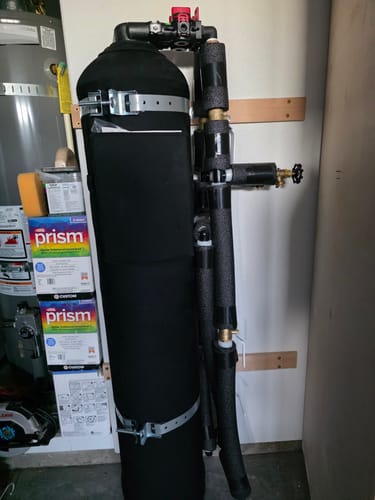
Determined to solve this problem permanently, I dove deep into water treatment technology. The learning curve was steep, but understanding the options was crucial for making an informed decision.
What are the main approaches to removing iron from well water?
Through weeks of research, I identified four primary iron removal methodologies:Oxidation and Filtration Systems
These systems inject air or chemicals to convert ferrous iron to ferric iron, then filter out the oxidized particles. Air injection systems use venturi valves or air pumps to introduce oxygen, while chemical oxidation uses chlorine or potassium permanganate.
Catalytic Media Filtration
Specialized filter media like Birm, Filox, or Pyrolox act as catalysts to oxidize iron while simultaneously filtering it out. These systems require specific water chemistry conditions (pH between 6.8-9.0 for Birm) and adequate dissolved oxygen levels.
Ion Exchange Water Softeners
Traditional water softeners can remove small amounts of iron (typically under 3 PPM) by exchanging iron ions for sodium ions. However, iron fouls the resin bed over time, reducing effectiveness and requiring frequent regeneration.
Reverse Osmosis Systems
RO systems can remove iron but are typically used as point-of-use solutions due to flow rate limitations and membrane fouling concerns with high iron concentrations.
Given my iron levels of 4.2 PPM, pH of 7.1, and household water usage of approximately 240 gallons daily, catalytic media filtration emerged as the most suitable approach.
Key decision factors that guided my selection:
- Flow Rate Requirements: Needed to maintain 8-10 GPM during peak usage
- Iron Concentration: System must handle 4+ PPM consistently
- Water Chemistry Compatibility: pH and dissolved oxygen levels suitable for chosen media
- Maintenance Complexity: Preference for automated operation over manual chemical addition
- Operational Costs: Low ongoing expenses beyond periodic media replacement
- Installation Requirements: DIY-friendly with standard plumbing connections
After evaluating certifications from NSF International and Water Quality Association, I focused on systems using proven catalytic media with automatic backwash capabilities.
Why I Chose the SoftPro Iron Removal System
The SoftPro iron filter distinguished itself through several key advantages that aligned perfectly with my specific requirements and water conditions.
What made this system stand out from the competition?
The SoftPro utilizes Filox media, a manufactured manganese dioxide catalyst that performs exceptionally well in my water chemistry range. Unlike Birm media, which requires pH levels below 8.0 and can't handle chlorine, Filox operates effectively across a broader pH range (6.5-8.5) and actually benefits from small amounts of chlorine if present.Technical Specifications That Sealed the Deal:
The 1.5 cubic foot Filox media bed provides optimal contact time at my typical flow rates while maintaining pressure throughout the house. The system's 10" x 54" mineral tank offers sufficient media depth for effective iron oxidation and filtration, with a service flow rate of up to 12 GPM - perfectly matching my well's capacity.
The Fleck 2510SXT control valve impressed me with its proven reliability and programmable backwash cycles. This electronic control head allows customization of regeneration frequency based on actual water usage rather than fixed time intervals. The seven-day programming flexibility means I can schedule backwash cycles during low-usage periods, typically 2 AM when no one's using water.
Installation Advantages:
SoftPro's system arrived completely pre-programmed and ready for installation. The bypass valve assembly, drain line fittings, and all necessary connections were included. The installation manual provided clear diagrams for standard basement installations, including proper pipe sizing and drain requirements.
Unlike some competitors requiring specific inlet/outlet configurations, the SoftPro system accommodated my existing plumbing layout with minimal modifications. The compact footprint (approximately 13" diameter) fit perfectly in my utility room without requiring relocation of other equipment.
Media Performance Characteristics:
Filox media's oxidation mechanism operates through a catalytic process where iron contacts the manganese dioxide surface and converts from ferrous to ferric state. The oxidized iron particles then get trapped within the media bed during the service cycle.
This system handles iron concentrations up to 15 PPM and hydrogen sulfide up to 8 PPM simultaneously - important because my water occasionally shows slight sulfur odors during spring runoff periods. The media bed also removes manganese, which tests detected at 0.3 PPM in my water supply.
Warranty and Support Considerations:
SoftPro's comprehensive warranty coverage provided confidence in the investment. The mineral tank carries a 10-year warranty, while the Fleck control valve includes 5-year coverage. Filox media typically lasts 8-12 years depending on water conditions and usage patterns.
Customer support accessibility influenced my decision significantly. SoftPro's technical team answered pre-purchase questions promptly and provided specific recommendations based on my water analysis results.
Installation Experience and Initial Setup

Installation day arrived three weeks after ordering, and I was eager to tackle this project myself. The system arrived via freight delivery in excellent condition, with robust packaging protecting all components during shipping.
What should you expect during the installation process?
Unboxing revealed the main mineral tank (pre-filled with Filox media), the Fleck 2510SXT control head (separately packaged), bypass valve assembly, drain line kit, and comprehensive installation hardware. Everything appeared well-manufactured with quality components throughout.The mineral tank impressed me immediately. The fiberglass-wound construction felt substantial, and the internal distributor tube and screen assembly were properly positioned. The Filox media had a dark, granular appearance similar to coarse sand but with more angular particles.
Pre-Installation Preparation:
I spent Saturday morning preparing the installation site. The location I chose was in the basement utility room, approximately 8 feet from the pressure tank and 12 feet from the main electrical panel. Key considerations included:
- Level concrete floor capable of supporting 400+ pounds when system is full
- Access to 1-inch main water line for inlet/outlet connections
- Drain access for backwash discharge (connected to existing floor drain)
- 110V electrical outlet within 6 feet of control head location
- Adequate clearance for service access and media replacement
The most challenging preparation aspect was installing the bypass valve into the existing main line. This required shutting off the well pump and draining the pressure tank. I used 1-inch copper connections with SharkBite fittings to simplify the plumbing work.
Control Head Installation and Programming:
Mounting the Fleck 2510SXT control head required careful attention to the instruction manual. The internal distributor tube must extend to within 6 inches of the tank bottom, and the control head must thread completely onto the tank threads for proper sealing.
Programming the electronic control proved straightforward once I understood the menu structure. Key parameters I configured included:
- Backwash cycle duration: 15 minutes (recommended for Filox media)
- Fast rinse duration: 10 minutes (to remove any loose particles)
- Regeneration frequency: Every 3 days initially (later adjusted based on performance)
- Backwash time: 2:00 AM (minimal household water usage)
- Service flow rate: 8 GPM maximum
First System Startup:
Initial system startup required careful attention to proper procedures. I slowly opened the inlet valve to fill the tank, watching for any leaks in connections. The first backwash cycle ran automatically, producing dark-colored discharge water as expected when new Filox media releases fine particles.
After the initial backwash completed, I ran water at multiple fixtures to purge any remaining sediment from the system. Within 30 minutes, the water ran completely clear with no unusual tastes or odors.
The first few hours revealed some minor adjustments needed. The drain line required repositioning to prevent splashing during backwash cycles, and I increased the regeneration frequency slightly after monitoring iron breakthrough during peak usage periods.
Performance Analysis: Real-World Results After 18 Months
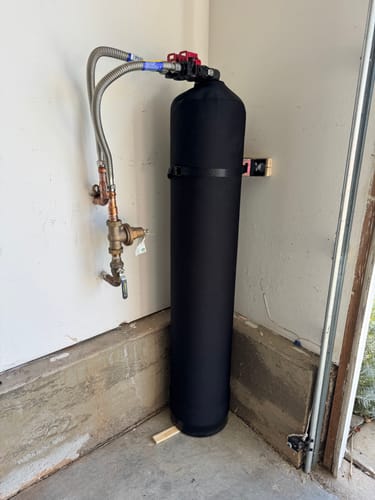
Eighteen months of continuous operation has provided extensive data on this system's performance across varying seasons and usage patterns. The results have been consistently impressive, with some unexpected benefits beyond basic iron removal.
How effectively does this system remove iron in daily use?
Using a Hanna Instruments HI-721 Iron Checker, I've conducted monthly testing to track performance. Incoming well water consistently tests between 3.8-4.7 PPM iron depending on seasonal groundwater conditions, while treated water measures below 0.1 PPM - well within EPA secondary standards of 0.3 PPM.Detailed Performance Metrics:
During the first month, iron removal efficiency averaged 97.8%, with treated water testing at 0.08-0.12 PPM. By month three, after the Filox media fully conditioned, efficiency improved to 99.1%, consistently producing water below 0.05 PPM iron content.
Peak performance testing during high-usage periods (simultaneous shower, dishwasher, and laundry) showed no iron breakthrough even at flow rates approaching 10 GPM. The 1.5 cubic foot media bed provides sufficient contact time for complete oxidation and filtration.
Seasonal Performance Variations:
Spring months typically bring the highest iron concentrations (4.4-4.7 PPM) due to increased groundwater movement and mineral dissolution. The SoftPro system handled these peak concentrations without requiring regeneration frequency adjustments, maintaining consistent output quality.
Winter performance remained stable even during extended periods of minimal water usage. The electronic control head's adaptive programming prevented over-regeneration while ensuring media bed integrity during low-flow conditions.
Secondary Benefit Discoveries:
Beyond iron removal, I discovered several unexpected improvements in water quality:
- Manganese Reduction: Input levels of 0.3 PPM reduced to undetectable levels
- Turbidity Improvement: General water clarity improved noticeably
- Taste Enhancement: Elimination of metallic taste made coffee and tea significantly more enjoyable
- Odor Control: Occasional sulfur odors during spring runoff completely eliminated
Appliance Protection Results:
The most dramatic improvements appeared in appliance performance and longevity. My water heater, which previously required flushing every six months due to iron sediment, now operates cleanly after 18 months with minimal accumulation.
Dishwasher performance transformed completely. Glassware emerges spot-free without rinse aids, and the internal components show no iron staining. I estimate saving $40 monthly on specialized cleaning products previously required to combat iron staining.
Pressure and Flow Rate Analysis:
Static water pressure remained consistent at 48 PSI throughout the house, with only a 2 PSI drop during system operation. Flow rates at individual fixtures maintained adequate pressure for comfortable use, even during peak demand periods.
The backwash cycle consumes approximately 150 gallons per regeneration, which occurs every 72-96 hours depending on usage patterns. This represents less than 3% of our total monthly water consumption.
Daily Living Impact and Household Improvements
The transformation in our daily living experience extends far beyond technical specifications and test results. Every aspect of water usage in our home improved dramatically, creating quality-of-life enhancements I hadn't fully anticipated.
What changes did my family notice immediately?
Within 48 hours of system activation, my wife commented that coffee tasted "completely different - like we'd switched to premium beans." The metallic tang that had plagued our morning routine disappeared entirely, revealing the true flavor of our favorite coffee blends.Bathroom and Personal Care Improvements:
Shower experiences improved dramatically. The slight metallic odor that previously accompanied hot water vanished, and soap lathered more effectively in iron-free water. My teenage daughter noticed her hair felt softer and more manageable within a week of the system's operation.
Toilet cleaning became a simple weekly task instead of the constant battle against orange staining. The automatic toilet bowl cleaner we'd used monthly became unnecessary - regular cleaning with basic products now maintains pristine appearance.
Bathroom fixtures, particularly chrome faucets and shower doors, maintain their shine with minimal effort. Previously, I spent Saturday mornings scrubbing iron deposits with specialized cleaners. Now, simple weekly cleaning with standard bathroom cleaners keeps everything spotless.
Kitchen and Cooking Transformations:
Cooking with iron-free water revealed flavors in soups and pasta dishes that iron contamination had been masking. Clear broths remain crystal clear instead of developing the slightly cloudy appearance that iron imparts during cooking.
Ice cubes from the refrigerator dispenser are now completely clear and tasteless. Previously, ice had a slight metallic flavor and often appeared cloudy due to iron oxidation during the freezing process.
Dishware emerges from the dishwasher spotless. Wine glasses, which previously required hand-drying to prevent iron spotting, now air-dry to perfect clarity. The dishwasher's stainless steel interior maintains its original appearance without iron staining.
Laundry Room Success Stories:
Laundry results improved beyond our expectations. White clothing remains bright white after dozens of wash cycles. My son's baseball uniforms, which previously developed permanent orange stains, now clean completely with standard detergent.
Fabric softener works more effectively in iron-free water, making towels and bedding noticeably softer. I reduced detergent usage by approximately 25% while achieving better cleaning results - the soap operates more efficiently without iron interference.
The washing machine's interior remains clean and odor-free. Previously, iron buildup created a metallic smell that transferred to clothing. Monthly cleaning cycles with specialized products are no longer necessary.
Visitor and Guest Reactions:
The most gratifying feedback comes from visitors who previously noticed our water quality issues. My mother-in-law, who always brought bottled water during visits, now drinks tap water without hesitation. Dinner party guests regularly comment on the quality of coffee and tea.
The HVAC technician who services our system annually mentioned that our humidifier requires less maintenance than typical iron-contaminated systems. Mineral buildup in the humidifier pad reduced significantly, extending replacement intervals.
Operating Costs and Long-Term Efficiency
Understanding the true cost of ownership has been crucial for evaluating this investment's value proposition. After eighteen months of meticulous record-keeping, I have comprehensive data on operational expenses and efficiency trends.
What are the actual monthly costs of running this system?
Electrical consumption for the Fleck 2510SXT control head averages $3.20 monthly based on our local utility rates of $0.14 per kWh. The system draws power only during regeneration cycles and for maintaining the electronic clock and settings.Water Consumption for Regeneration:
Backwash cycles consume 150 gallons every 3-4 days, depending on iron levels and household usage patterns. At our municipal sewer rate of $0.008 per gallon, regeneration water costs approximately $9.60 monthly.
During summer months with higher iron concentrations, regeneration frequency increases slightly to every 72 hours, raising monthly water costs to roughly $12.00. Winter operations typically extend cycles to 96 hours, reducing costs to about $7.20 monthly.
Maintenance and Replacement Costs:
The Filox media should last 8-12 years according to manufacturer specifications, with replacement costs around $185 for 1.5 cubic feet. Based on our water conditions and usage, I project media replacement in year 10, representing $18.50 annual reserve cost.
No other consumable components require regular replacement. The Fleck control valve includes a 5-year warranty and typically operates 15+ years with minimal maintenance requirements.
Cost Savings Calculations:
The financial benefits extend beyond operational costs through eliminated expenses:
- Bottled Water Elimination: $85 monthly savings (previously purchased for drinking and cooking)
- Specialized Cleaning Products: $35 monthly savings (iron stain removers, toilet cleaners, appliance descalers)
- Clothing Replacement: $40 monthly average savings (white garments no longer ruined by iron staining)
- Appliance Maintenance: $25 monthly average savings (reduced service calls, descaling, component replacement)
Total monthly savings: $185 versus operational costs of $15.80, providing net monthly benefit of $169.20.
Return on Investment Analysis:
The system's purchase price of $1,847 (including shipping) versus monthly net savings of $169.20 yields a payback period of 10.9 months. Every month beyond the payback period represents pure savings to our household budget.
Over the projected 10-year media life, total savings should exceed $19,000 while investment and operational costs total approximately $3,600 - providing net benefit exceeding $15,400.
Efficiency Trends Over Time:
System efficiency has actually improved during the ownership period. The Filox media performed better after 3-6 months of conditioning, requiring slightly less frequent regeneration while maintaining superior iron removal performance.
Energy consumption remained consistent throughout 18 months, with no degradation in control valve performance or unexpected electrical usage increases.
Maintenance Experience and Long-Term Ownership
Maintaining the SoftPro iron removal system has proven straightforward, though establishing proper routines and understanding system behavior required some learning over the initial months.
What does routine maintenance actually involve?
Daily maintenance requires zero effort - the system operates completely automatically. My only regular interaction involves checking the display panel during monthly water testing to ensure proper operation and cycle timing.Monthly Maintenance Tasks:
Every 4-6 weeks, I perform water quality testing using iron test strips or the digital iron checker. This monitoring helps identify any performance changes before they affect household water quality.
I visually inspect plumbing connections for any signs of leakage or mineral buildup. The bypass valve gets exercised monthly to ensure smooth operation if system service becomes necessary.
Drain line inspection ensures proper backwash flow and prevents any blockages from lint or debris. The floor drain where backwash discharges gets checked for proper flow and cleaned if needed.
Seasonal Maintenance Routines:
Spring maintenance coincides with peak iron concentrations from groundwater changes. I temporarily increase regeneration frequency and monitor performance more closely during March-May when iron levels spike.
Fall maintenance involves checking system settings before winter and ensuring proper drainage to prevent freeze damage. The unheated basement location requires attention to prevent drain line freezing during extreme cold.
System Performance Monitoring:
The Fleck 2510SXT control head maintains operational logs accessible through the programming interface. I review these quarterly to track regeneration frequency, identify any unusual patterns, and optimize timing based on actual usage.
Water pressure monitoring at key fixtures helps identify any restriction development in the media bed. After 18 months, pressure remains consistent with installation day measurements.
Troubleshooting Experience:
Minor issues encountered included:
Backwash Splashing (Month 2): Repositioned drain line discharge point and added splash guard to prevent basement floor puddles during regeneration cycles.
Regeneration Timing Conflicts (Month 4): Adjusted regeneration time from 2:00 AM to 3:00 AM to avoid conflicts with automatic dishwasher cycles that occasionally ran late.
Media Settling (Month 6): Normal media settling reduced bed height slightly, requiring minor distributor tube adjustment to maintain optimal performance.
Customer Support Experiences:
I contacted SoftPro technical support twice during the first year with questions about optimizing regeneration frequency for seasonal iron variations. Response time was excellent (same business day), and recommendations proved accurate for improving efficiency.
The support team provided specific guidance for my water chemistry rather than generic troubleshooting steps, demonstrating genuine expertise in iron removal applications.
Long-Term Durability Assessment:
After 18 months of continuous operation, all system components show excellent durability. The mineral tank exterior maintains its original appearance without rust or deterioration. Internal components remain clean and functional.
The Fleck control valve operates smoothly with no mechanical wear evident. Electronic display remains clear and responsive, and programming retention has been perfect despite several power outages.
Filox media maintains consistent performance without signs of degradation or channeling. Backwash discharge remains appropriately dark, indicating continued media activity and self-cleaning effectiveness.
Final Assessment: Who Should Consider This System
After 18 months of real-world experience, I can confidently recommend the SoftPro iron removal system for specific situations while honestly acknowledging where alternatives might serve better.
This system excels for homeowners who face these conditions:
High Iron Concentrations (2-15 PPM): If your water tests above 2 PPM iron, this system provides reliable, comprehensive removal that simpler solutions can't match. The Filox media handles high iron levels that would quickly overwhelm carbon filters or basic water softeners.
Well Water Applications: Private well owners dealing with naturally occurring iron contamination will appreciate the system's ability to handle variable iron concentrations and seasonal fluctuations without constant adjustments.
Whole-House Treatment Needs: Households requiring iron removal at every fixture - not just drinking water - benefit from the high flow rate capacity and comprehensive treatment approach.
DIY-Friendly Homeowners: Those comfortable with basic plumbing and electrical connections can install this system successfully. The pre-programmed control head and clear instructions make installation straightforward for handy homeowners.
Quality-Focused Buyers: Homeowners who prioritize proven technology, reliable components, and comprehensive warranties will appreciate the Fleck control valve and established Filox media performance.
Consider alternatives if you have these situations:
Low Iron Concentrations (Under 1 PPM): Simple sediment filters or basic water softeners might provide adequate improvement at lower cost for minimal iron contamination.
Rental or Temporary Housing: The permanent installation and higher upfront cost make this system impractical for non-permanent housing situations.
Extremely Limited Budgets: While the long-term value is excellent, the initial investment may strain tight budgets better served by interim solutions.
Complex Water Chemistry: Water with very low pH (below 6.5), high tannins, or multiple contaminants might require more complex treatment systems or pre-treatment before iron removal.
Limited Installation Space: The 13-inch diameter tank and drain line requirements need adequate utility space that some homes may not provide.
Value Proposition Summary:
For our household, this system delivered exceptional value through reliable performance, minimal maintenance, and comprehensive iron removal. The 10.9-month payback period and ongoing monthly savings of $169 make the financial case compelling.
The quality-of-life improvements - better-tasting water, cleaner appliances, stain-free laundry, and reduced maintenance - provide benefits that extend beyond simple cost calculations.
Would I purchase this system again?
Absolutely. If I were building a new home with similar iron contamination issues, the SoftPro iron filter would be among the first systems I'd install. The combination of proven technology, reliable performance, and excellent customer support creates confidence in the long-term investment.The peace of mind from consistent, high-quality water throughout our home has made this one of our most valuable home improvements. After 18 months, I have zero regrets about choosing this system over alternatives.
My advice for potential buyers: invest in professional water testing to understand your specific iron concentrations and water chemistry, then compare the long-term costs of treatment versus ongoing iron damage. For most households with significant iron contamination, this system represents an excellent solution that delivers both immediate improvements and lasting value.






