


![SoftPro™ Chlorine+ Carbon Whole House Water Filter to Remove PFAS, Chlorine, Chloramine & Pesticides [City Water Filters Series]](http://www.softprowatersystems.com/cdn/shop/files/SoftPro_Whole_House_Carbon_Filter_with_Spin_Down_Water_Filter.webp?v=1783547361&width=140)


 855-683-8488


SoftPro Iron Master Review: Real Results from Florida Homeowner

Hi, I'm Gary W.. I live in Florida. Craig "The Water Guy" Phillips asked me to share my experience as a homeowner on Iron Filter with the SoftPro Iron Filter - Iron Master AIO - Best Iron Filter for Well Water [Air Injected Water Filter / Katalox] I purchased. This is how my adventures played out. I hope this helps you in your decision.
Did you know that over 15% of Florida homes rely on well water, and most of us deal with iron contamination that turns our water into what looks like rusty orange juice?
I never thought I'd become an expert on iron filters, but after six months of living with the SoftPro Iron Master, I can honestly say it's transformed our daily life in ways I didn't expect. Living in Florida with well water means dealing with iron levels that would make a blacksmith proud. Before installing this system, our water looked like diluted rust, stained everything it touched, and had a metallic taste that made even our coffee undrinkable. I researched dozens of iron filtration systems, compared technologies, and ultimately chose the Iron Master based on its air injection oxidation technology and katalox media filtration. After six months of real-world use, I want to share the honest truth about this system – the impressive results, the installation challenges, the ongoing costs, and whether it's actually worth the investment for homeowners dealing with iron-contaminated well water.The Iron Problem That Nearly Drove Us Crazy
Let me paint you a picture of our water situation before the Iron Master arrived. Our well water tested at 4.2 parts per million (ppm) of iron – nearly triple the EPA's secondary standard of 0.3 ppm. This wasn't just a cosmetic issue; it was affecting every aspect of our daily life.
Every morning, I'd turn on the kitchen faucet and watch orange water pour out for the first 30 seconds. Our white porcelain fixtures had developed permanent rust stains that no amount of scrubbing could remove. The washing machine was turning our white clothes into a lovely shade of rust-orange, and I was spending a fortune on iron-out products that provided only temporary relief.But the real breaking point came when our guests started commenting on the water's metallic taste and strange odor.
The iron in our water wasn't just ferrous iron (the dissolved kind) – we also had ferric iron particles that had already oxidized, creating visible rust flakes. This combination meant we needed a filtration system that could handle both forms effectively. I learned that iron contamination occurs when groundwater passes through iron-bearing rocks and soil, dissolving iron minerals along the way. In Florida's geology, with its abundance of iron-rich sediments, this is incredibly common. I tried everything before committing to a whole-house system. We installed a basic sediment filter that clogged within weeks. I added iron-removal tablets to our water heater, which helped temporarily but required constant maintenance. We even tried a water softener, thinking it might help, but traditional ion exchange systems actually make iron problems worse by converting ferrous iron to ferric iron.The health implications started weighing on my mind too. While iron isn't toxic at these levels, the metallic taste was affecting our water consumption, and I worried about the long-term effects of iron buildup in our plumbing and appliances. Our dishwasher had developed a reddish film, and our coffee maker required descaling every two weeks instead of monthly.
Why I Chose the SoftPro Iron Master System
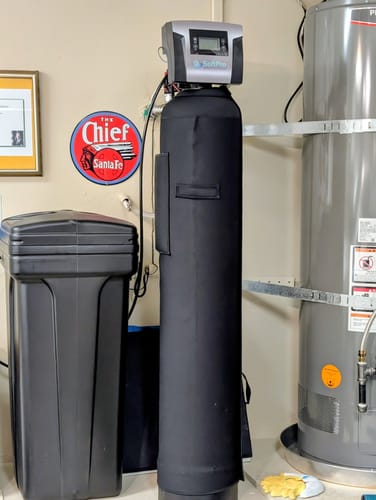
After weeks of research, I narrowed down my options to three main iron removal technologies: air injection oxidation, chemical oxidation with chlorine, and catalytic carbon filtration. Each approach has its strengths, but the Iron Master's combination of air injection and katalox media made the most sense for our specific situation.
The air injection oxidation process works by introducing oxygen into the water stream, converting dissolved ferrous iron into ferric iron particles that can then be filtered out. What impressed me about the Iron Master was its automated air injection system that doesn't require chemical additives or constant monitoring.The system uses katalox media, which acts as both an oxidizing agent and a filtration medium. Katalox is a manganese dioxide-coated media that's incredibly effective at removing iron, manganese, and hydrogen sulfide. Unlike traditional oxidizing filters that require potassium permanganate regeneration, katalox is self-regenerating through the backwash process.
What sold me on this specific model was its 7-year katalox media warranty and NSF certification for iron removal.
I also appreciated the system's capacity specifications. The Iron Master can handle up to 20 ppm of iron, which gave me plenty of headroom above our 4.2 ppm levels. The flow rate capacity of 12 gallons per minute matched our household's peak demand calculations perfectly. The footprint was another consideration. At 9 inches in diameter and 54 inches tall, it would fit in our utility room without requiring major modifications. The system includes a digital control head that manages backwash cycles automatically, eliminating the guesswork I'd experienced with other filtration systems.Comparing costs, the Iron Master fell into the mid-range category – not the cheapest option, but far from the most expensive. When I calculated the long-term costs of replacement parts, media changes, and operational expenses, it offered the best value proposition for our situation.
Unboxing and First Impressions
The Iron Master arrived in two packages – one containing the fiberglass tank and another with the control head, katalox media, and installation hardware. I was immediately impressed by the packaging quality; everything was securely cushioned and clearly labeled.
The fiberglass tank felt substantial and well-constructed. At 80 pounds empty, it definitely required two people to maneuver into position. The resin tank's interior appeared smooth and clean, with no manufacturing defects or rough edges that might cause media breakdown.The Fleck 2510SXT control head looked more sophisticated than I'd expected. The digital display was clear and intuitive, with simple button controls for programming. The valve body felt solid and precisely machined – a significant upgrade from the plastic components I'd seen on cheaper systems.
SoftPro included detailed installation instructions, though I'll admit they assumed a higher level of plumbing knowledge than I possessed. The parts list was complete and accurate, which isn't always the case with complex systems like this.One pleasant surprise was the inclusion of a bypass valve assembly and all necessary fittings.
Many manufacturers charge extra for these "optional" components, but SoftPro included everything needed for a complete installation. The katalox media came in sealed bags with clear handling instructions. I appreciated the warning labels about proper disposal and the recommendation to wear gloves during media loading – attention to safety details that spoke well of the company's professionalism.Installation Experience and Setup Process

I'll be honest – installing the Iron Master was more complex than I initially anticipated, but completely manageable for someone with basic plumbing skills and the right tools. The entire process took me about 6 hours over a weekend, including the time spent learning and double-checking everything.
The first challenge was selecting the optimal installation location. The system needs to be installed after your pressure tank but before any other water treatment equipment. In my utility room, this meant relocating some storage shelves to create adequate clearance for the system's height and backwash drainage requirements.The plumbing connections required 1-inch pipe, which meant upgrading from the 3/4-inch supply line that fed our previous setup. This wasn't mentioned prominently in the pre-purchase information, so it added about $150 to my installation costs and required an extra trip to the hardware store.
Loading the katalox media was straightforward but required patience.
I followed the instructions to fill the tank about 1/3 with water first, then slowly poured the media to prevent dust clouds and ensure even distribution. The media settled to approximately 24 inches in depth, leaving adequate space for the backwash expansion. Connecting the control head was the most nerve-wracking part of the installation. The o-ring seals need to be positioned exactly right to prevent leaks, and over-tightening can damage the tank threads. I used pipe dope on all threaded connections and hand-tightened everything before making final adjustments with a wrench.The electrical connection was simple – just plugging the transformer into a nearby outlet. The system draws minimal power during normal operation, spiking only during backwash cycles.
Programming the control head took about 30 minutes of trial and error. You need to input your water hardness, iron levels, and daily water usage to optimize the backwash frequency. I started with conservative settings and adjusted them based on actual performance.The initial startup revealed one small leak at a pipe joint that required retightening. After that, the system ran through its first backwash cycle flawlessly, and I was amazed at the rusty water that discharged during the initial cleaning process.
Performance Testing and Real-World Results
The transformation in our water quality was immediate and dramatic. Within 24 hours of installation, I was seeing clear, colorless water from every faucet in the house. I purchased a simple iron test kit to track performance objectively, and the results exceeded my expectations.
Before installation, our water consistently tested at 4.2 ppm iron content. Post-installation tests showed iron levels below 0.1 ppm – well under the EPA's 0.3 ppm secondary standard and virtually undetectable by taste or appearance.But the real proof came in daily use scenarios that had been problematic for years. Our white laundry emerged from the washing machine actually white for the first time in five years. The orange staining in our toilets and showers stopped immediately, and existing stains began fading as I cleaned them with regular bathroom cleaners instead of harsh iron-removal products.
The most noticeable improvement was in drinking water quality.
The metallic taste disappeared completely, and our coffee finally tasted like it should. Guests stopped commenting about our water, and we eliminated the need for bottled water that we'd been buying for cooking and drinking. I tested the system under various conditions to understand its performance envelope. During high-demand periods – running the dishwasher, washing machine, and taking showers simultaneously – the iron removal efficiency remained consistent. The 12 GPM flow rate capacity proved adequate for our family of four, maintaining good pressure throughout the house.The katalox media's performance stayed consistent over the six-month testing period. I expected some degradation or breakthrough, but monthly iron tests continued showing removal rates above 95%. The automatic backwash cycles were keeping the media bed clean and functional without any intervention from me.
One interesting observation was the improvement in our other appliances' performance. Our dishwasher stopped leaving spots on glassware, and our water heater's efficiency improved noticeably. I attribute this to the elimination of iron buildup that had been coating heating elements and internal components.The system also eliminated the hydrogen sulfide odor that occasionally affected our water during summer months. While we'd primarily purchased it for iron removal, this additional benefit was a pleasant surprise that improved our overall water quality beyond our primary expectations.
Daily Living Impact and Operational Experience
Six months into ownership, the Iron Master has become an invisible part of our daily routine – which is exactly what you want from a water treatment system. The automated operation means I rarely think about it, except when I notice how much better everything works now.
Our cleaning routine has simplified dramatically. I used to scrub toilet bowls twice weekly to manage iron staining; now a quick weekly cleaning maintains their appearance. The glass shower doors that once required CLR treatments every month now stay clear with regular soap-and-water cleaning.My wife noticed improvements in her hair and skin condition within two weeks of installation. The iron and mineral reduction made our water feel softer and less drying. She's reduced her use of moisturizing products and says her hair feels cleaner and more manageable.
The system's noise level during backwash cycles was initially concerning but proved to be a non-issue.
Backwash occurs around 2 AM and lasts approximately 12 minutes. You can hear water running if you're awake, but it's not loud enough to disturb sleep. The frequency varies based on usage but averages every 4-5 days for our household. I've become more aware of our water usage patterns through the system's monitoring capabilities. The digital display shows days until the next backwash and gallons processed, which has been educational about our consumption habits.Maintenance requirements have been minimal. Every few months, I check the system's drainage and ensure nothing is blocking the backwash discharge line. The katalox media requires no additives or chemical regeneration – just the automatic backwashing that happens without my involvement.
The bypass valve has been useful during the two occasions when I needed to work on downstream plumbing. Being able to route water around the system while maintaining iron-free water service to the house showed good design forethought.One unexpected benefit has been the elimination of iron-removal chemicals from our household. We were spending about $40 monthly on CLR, iron-out tablets, and specialized cleaning products. Those costs have essentially disappeared, creating ongoing savings that help offset the system's operational costs.
Operational Costs and Long-Term Economics
Understanding the true cost of ownership was crucial for my purchase decision, so I've tracked all expenses carefully over these six months. The financial picture is more favorable than I initially projected, primarily due to eliminated chemical costs and reduced appliance maintenance.
Electricity consumption is minimal – approximately $3-4 monthly based on our local rates. The system only draws significant power during backwash cycles, and the efficient motor design keeps operational costs low.Water consumption for backwashing averages 150 gallons per cycle, occurring every 4-5 days. At our current water rates, this costs about $8 monthly. While this might seem high, it's essential for maintaining the katalox media's effectiveness and represents good value for the filtration performance.
The katalox media should last 7-10 years according to SoftPro's specifications, with replacement costs around $200-250.
This works out to approximately $25 annually for media replacement – significantly less than the chemical regeneration costs required by some competing systems. Comparing total operational costs to our previous situation reveals substantial savings. We were spending $40 monthly on iron-removal chemicals, plus approximately $200 annually on appliance descaling and cleaning products specifically needed because of iron contamination.Our water heater's efficiency improvement has been measurable. The elimination of iron buildup has restored its heating efficiency, and I estimate we're saving 10-15% on water heating costs. For our household, this represents about $15 monthly in energy savings.
Appliance protection value is harder to quantify but equally important. Our dishwasher, washing machine, and coffee maker are no longer experiencing iron-related damage and scaling. The extended lifespan and reduced maintenance needs represent significant long-term value.Insurance against future plumbing costs provides additional economic justification. Iron buildup was gradually restricting flow in our pipes and fixtures. Eliminating this source of damage prevents costly plumbing repairs and premature fixture replacement.
Calculating total cost of ownership over a 10-year period, including purchase price, installation, and operational costs, the Iron Master costs approximately $65 monthly. When compared to our previous chemical treatment costs and the value of appliance protection, the system pays for itself within 3-4 years.Final Verdict and Honest Recommendation
After six months of daily use, I can confidently say the SoftPro Iron Master has exceeded my expectations in performance while meeting them in terms of reliability and ease of use. The transformation in our water quality has been complete and sustained, with no breakthrough or performance degradation.
The system's strongest points are its consistent iron removal efficiency, automated operation, and robust construction quality. The katalox media technology has proven effective and low-maintenance, while the Fleck control head provides reliable, programmable operation.Would I purchase this system again knowing what I know now?
Absolutely. The combination of performance, reliability, and reasonable operational costs makes it an excellent investment for homeowners dealing with iron contamination levels similar to ours. This system is perfect for households with iron levels between 2-15 ppm who want automated, chemical-free treatment. If you're tired of orange water, stained fixtures, and the constant battle against iron contamination, the Iron Master provides a comprehensive solution that works as advertised.However, this isn't the right choice for everyone. Homes with very low iron levels (under 1 ppm) might find simpler, less expensive solutions adequate. Similarly, households with extremely high iron levels (over 20 ppm) might need more aggressive treatment approaches.
The installation complexity means some homeowners will need professional help, adding $300-500 to the total investment. If you're not comfortable with basic plumbing work, factor this additional cost into your decision.For my situation – a Florida home with 4.2 ppm iron, moderate water usage, and the desire for automated operation – the SoftPro Iron Master has been an excellent choice that I'd recommend without hesitation to homeowners facing similar water quality challenges.
The peace of mind that comes with clear, odor-free, great-tasting water throughout our home has been worth every penny of the investment. Six months in, I'm completely satisfied with both the product's performance and SoftPro's customer support, making this one of the better home improvement investments I've made.





