


![SoftPro™ Chlorine+ Carbon Whole House Water Filter to Remove PFAS, Chlorine, Chloramine & Pesticides [City Water Filters Series]](http://www.softprowatersystems.com/cdn/shop/files/SoftPro_Whole_House_Carbon_Filter_with_Spin_Down_Water_Filter.webp?v=1783547361&width=140)


 855-683-8488


SoftPro Iron Master Review: Real Results After 8 Months
Hi, I'm . I live in .
Craig "The Water Guy" Phillips asked me to share my experience as a homeowner on Iron Filter with the I purchased.
This is how my adventures played out. I hope this helps you in your decision.
Did you know that iron contamination affects over 25% of private wells in the United States?
I certainly didn't realize how common this problem was until I found myself dealing with rusty, metallic-tasting water that was staining everything in my home orange. After eight months of living with the SoftPro Iron Master, I can honestly say it's been one of the best investments I've made for my home's water quality.
When I first moved into my house, I thought the occasional orange tint in my water was just a minor inconvenience. Boy, was I wrong. What started as slightly discolored water quickly escalated into a full-blown household nightmare that affected everything from my morning coffee to my white laundry.
The Iron Problem That Took Over My Home
Let me paint you a picture of what life was like before the Iron Master. Every morning, I'd turn on the kitchen faucet and watch as rust-colored water poured out for the first 30 seconds. The metallic taste was so strong that even my coffee tasted like I was drinking liquid pennies. My wife complained constantly about her hair feeling brittle after showers, and don't even get me started on what it did to our white towels and sheets.
The real wake-up call came when I had to replace our dishwasher after just three years. The repair technician took one look at the rust buildup inside and shook his head. "You've got serious iron problems," he told me. "This machine should have lasted at least eight years, but the iron deposits have corroded the heating element and clogged the spray arms."
That's when I started researching the science behind iron contamination. I learned that iron occurs naturally in groundwater when water passes through iron-bearing rocks and soil. In my area of Pennsylvania, the geological conditions create particularly high iron concentrations. My well water tested at 4.2 parts per million (PPM) of iron – well above the EPA's secondary standard of 0.3 PPM for aesthetic quality.
The iron in my water existed primarily in its ferrous (dissolved) state, which meant it was invisible when first drawn from the tap. However, as soon as it contacted air, oxidation converted it to ferric iron, creating those telltale rust-colored particles. This explained why my water looked clear initially but quickly turned orange when left standing.
Before discovering the Iron Master, I tried several temporary solutions. Water softener salt helped minimally since traditional softeners aren't designed for iron removal. Sediment filters clogged within weeks. Even expensive bottled water for drinking became unsustainable when I calculated we were spending over $80 monthly just to avoid the taste.
Why I Chose the SoftPro Iron Master System
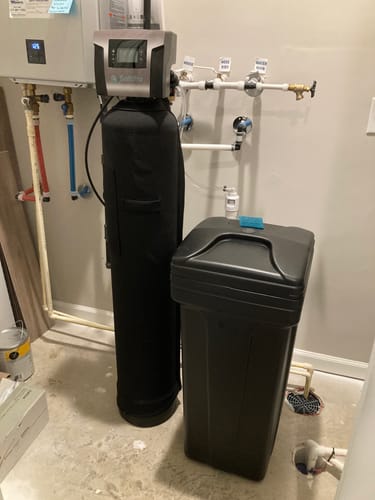
My research phase lasted about six weeks, during which I consulted with three local water treatment professionals and spent countless hours reading technical specifications and user experiences. I needed a system that could handle my specific iron concentration while fitting into my basement's limited space near the main water line.
The key decision factors were oxidation method, regeneration efficiency, and long-term operational costs. I compared air injection systems, chemical oxidation units, and catalytic media filters. Each technology had distinct advantages, but the Iron Master's air injection approach appealed to me for several reasons.
Air injection systems work by introducing oxygen into the water stream, converting dissolved ferrous iron into ferric iron particles that can be filtered out. Unlike chemical oxidation systems that require ongoing chemical purchases, air injection uses atmospheric air – essentially free oxidant. The Iron Master's design includes an air injection chamber where water and air mix turbulently, ensuring complete oxidation before entering the catalytic media bed.
The system's specifications matched my household needs perfectly. With a service flow rate of 7 gallons per minute and a 1.5 cubic foot catalytic media bed, it could handle our family's peak demand while providing adequate contact time for iron removal. The iron removal capacity of up to 8 PPM meant it had plenty of headroom beyond my 4.2 PPM concentration.
I was particularly impressed by the Logix digital control valve, which uses actual water usage data to optimize regeneration cycles. Traditional timer-based systems regenerate on fixed schedules regardless of actual iron loading, wasting water and energy. The demand-initiated regeneration feature promised both efficiency and consistent performance.
The NSF Standard 372 certification for lead-free components gave me confidence in the materials quality. Additionally, the system's compliance with NSF Standard 61 for drinking water system components addressed my concerns about introducing any contaminants during the treatment process.
Unboxing and First Impressions
The Iron Master arrived via freight delivery on a wooden pallet, which was my first indication of its substantial construction. The main tank stood 54 inches tall with a 10-inch diameter – larger than I expected but still manageable in my basement space. The fiberglass tank construction felt solid, and the blue color scheme gave it a professional appearance.
Inside the packaging, I found the digital control head already mounted, the air injection assembly pre-installed, and all plumbing fittings organized in labeled bags. The inclusion of a bypass valve assembly was particularly appreciated since many competitors charge extra for this essential component.
The technical documentation impressed me immediately. The installation manual included detailed diagrams for various plumbing configurations, electrical wiring specifications, and programming instructions for different water conditions. A separate maintenance guide outlined regeneration cycles, media replacement procedures, and troubleshooting steps.
One pleasant surprise was the quality of the included fittings. The brass connectors felt substantial, and the bypass valve operated smoothly with positive detents at each position. Having dealt with cheap plastic fittings on previous home improvement projects, these components clearly reflected a commitment to long-term reliability.
Installation Experience and System Setup

I opted for professional installation despite my general DIY comfort level. The complexity of integrating the air injection system with my existing plumbing, plus the electrical requirements for the control valve, made professional installation worth the $350 investment.
My installer arrived with all necessary tools and completed the job in approximately four hours. The process required cutting into the main water line, installing the bypass valve assembly, connecting the inlet and outlet plumbing, and running a dedicated 115V electrical circuit to power the control head.
The air injection assembly required a separate air line connection and pressure tank installation. Watching the installer work, I realized this would have been challenging for a DIY installation due to the precise pressure calibration required. The air injection system operates at specific pressure differentials to ensure proper air-to-water ratios.
Initial system startup involved several steps I wouldn't have anticipated. The installer first filled the tank slowly to prevent media displacement, then initiated a manual regeneration cycle to properly condition the catalytic media. He explained that the Filox-R media requires initial activation to develop its full iron removal capacity.
Programming the Logix control head took about 15 minutes. We entered my water hardness level (12 grains per gallon), iron concentration (4.2 PPM), and household size (4 people) into the system's memory. The controller calculated an initial regeneration frequency of every 1,200 gallons, subject to adjustment based on actual performance.
The first regeneration cycle ran immediately after programming, giving me a chance to observe the process. The air injection system created a noticeable but not objectionable humming sound. The backwash discharge produced rust-colored water for about 8 minutes before running clear – dramatic visual proof of iron removal.
Performance Testing and Real-World Results
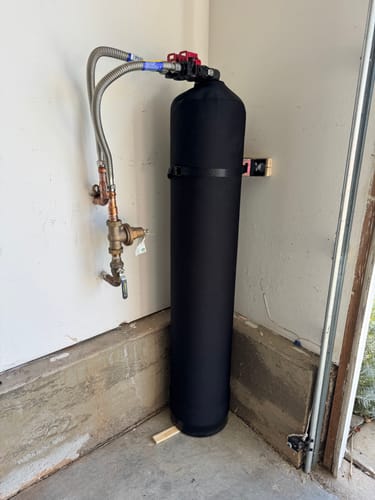
I conducted formal testing using both home test kits and professional water analysis to document the Iron Master's performance. My pre-installation baseline showed 4.2 PPM total iron, 3.8 PPM ferrous iron, and 0.4 PPM ferric iron. The water's pH measured 7.1, which falls within the optimal range for iron removal systems.
After the initial 48-hour settling period, my first post-installation test showed remarkable results. Total iron dropped to 0.1 PPM – well below the EPA's 0.3 PPM secondary standard and essentially undetectable by taste or appearance. The system maintained these results consistently across multiple test points over the following weeks.
Performance under different usage scenarios proved equally impressive. During a weekend when we hosted family guests, increasing our water usage by approximately 40%, the system maintained iron removal effectiveness without any breakthrough. The demand-initiated regeneration feature automatically adjusted to the higher iron loading.
I measured water pressure at various fixtures before and after installation to assess any flow restriction. The pressure drop across the system averaged 3 PSI – minimal impact that I couldn't detect during normal household activities. Even during peak demand periods with simultaneous showers and appliance usage, water pressure remained adequate at all fixtures.
The regeneration cycle frequency stabilized at approximately every 1,000 gallons after the first month, slightly more frequent than initially programmed but still within expected parameters. Each regeneration cycle consumed about 65 gallons of water and completed in 35 minutes, typically occurring during overnight hours when household demand was minimal.
Water quality testing at the 6-month mark showed no degradation in performance. Iron levels remained at 0.1 PPM, and the system's efficiency actually improved slightly as the media fully conditioned. This long-term consistency gave me confidence in the catalytic media's durability and the control system's effectiveness.
Daily Life Impact and Household Benefits
The transformation in our daily water experience has been nothing short of remarkable. The most immediate change was in taste – our drinking water now has a clean, neutral flavor that makes coffee and tea actually enjoyable again. My wife noticed the difference in her morning coffee within the first week, commenting that she could finally taste the coffee rather than metallic undertones.
Laundry results improved dramatically within the first month. White clothing that had developed orange stains gradually returned to their original brightness after several wash cycles with iron-free water. New white items stay bright, and colors appear more vibrant without iron deposits dulling the fabric. Our laundry detergent seems to work more effectively, requiring smaller amounts to achieve the same cleaning results.
Personal care benefits exceeded my expectations. My wife's hair feels noticeably softer and more manageable since iron deposits no longer coat each strand. My own skin feels less dry after showers, particularly during winter months when indoor heating typically exacerbates skin irritation. These improvements appeared gradually over the first six weeks as iron buildup in our hair and on our skin gradually diminished.
Kitchen and bathroom fixtures require significantly less cleaning now. The orange staining that previously required weekly scrubbing with specialized cleaners has completely disappeared. Faucet aerators no longer clog with iron deposits, and showerheads maintain full flow without monthly cleaning. Our toilet tanks stay clean, eliminating the embarrassing rust stains that appeared whenever we had guests.
Appliance performance improvements became evident after several months. Our dishwasher now achieves spot-free results without rinse aid, and the interior remains clean without mineral buildup. The water heater operates more efficiently since iron deposits no longer insulate the heating elements. Our washing machine's final rinse cycle produces truly clean results without the subtle orange tinting that previously affected light-colored fabrics.
Even unexpected benefits emerged over time. Ice cubes from our refrigerator dispenser are crystal clear instead of cloudy with iron particles. Houseplants seem healthier with iron-free water, showing improved growth and more vibrant foliage. These secondary benefits reinforced my satisfaction with the investment.
Operating Costs and Long-Term Value Analysis
Understanding the true cost of ownership was crucial for evaluating the Iron Master's value proposition. I tracked all operating expenses meticulously over eight months to provide realistic cost projections for potential buyers.
Electricity consumption for the control valve and air injection system averages $4.50 monthly based on my local utility rates of $0.12 per kWh. The system draws power primarily during regeneration cycles and for the control head's continuous operation. This cost proved lower than initially estimated due to the efficient motor design and infrequent regeneration schedule.
Water consumption for regeneration cycles represents the most significant ongoing expense. At approximately 65 gallons per cycle, occurring every 1,000 gallons of household usage, the regeneration water represents about 6.5% of our total consumption. With our municipal water and sewer rates, this adds roughly $8.50 monthly to our utility bills.
The catalytic Filox-R media requires replacement every 8-10 years according to manufacturer specifications. At current pricing, media replacement costs approximately $180 including shipping. When amortized over the media's lifespan, this represents about $1.80 monthly in replacement reserves.
Annual maintenance costs remain minimal since the system requires no consumable chemicals or salt. Professional service calls aren't necessary if basic maintenance guidelines are followed. I budget $50 annually for water testing to monitor performance and verify continued effectiveness.
Comparing these costs to our previous situation reveals significant savings. We eliminated $80 monthly in bottled water purchases and reduced cleaning supply costs by approximately $15 monthly since harsh iron-removal cleaners are no longer necessary. Appliance longevity improvements provide additional long-term savings, though these benefits are difficult to quantify precisely.
The total monthly operating cost of approximately $15 represents excellent value considering the comprehensive improvement in water quality throughout our entire home. This cost compares favorably to point-of-use solutions that address only drinking water while leaving iron problems in other applications.
Honest Assessment: Limitations and Considerations
Despite my overall satisfaction with the Iron Master, honest evaluation requires acknowledging certain limitations and considerations that potential buyers should understand before making their decision.
The system's physical footprint may challenge homeowners with limited basement or utility room space. At 54 inches tall and 10 inches in diameter, plus clearance requirements for service access, the unit demands more space than compact alternatives. Additionally, the air injection assembly and pressure tank require separate mounting areas within reasonable distance of the main tank.
Installation complexity exceeds typical DIY comfort levels for most homeowners. The electrical requirements, plumbing integration, and air injection system calibration strongly favor professional installation. While this ensures proper operation, it adds $300-500 to the initial investment depending on local labor rates and existing infrastructure.
Regeneration cycles create temporary noise that may concern light sleepers if the system is located near bedrooms. While not excessively loud, the backwash process generates water flow sounds and mechanical operation noise for 35 minutes. Programming regeneration for early morning hours (2-4 AM) typically avoids disruption, but apartment dwellers or homes with basement bedrooms might find this problematic.
The air injection system introduces a subtle but noticeable change in water taste that some family members initially found unusual. The oxidation process creates a "crisp" taste that differs from untreated well water. While objectively better than iron-contaminated water, this change required a brief adjustment period for taste-sensitive individuals.
Performance depends significantly on proper pH levels and water chemistry balance. Waters with pH below 6.5 or above 8.5 may require additional pretreatment for optimal iron removal. High levels of hydrogen sulfide can interfere with the oxidation process and may necessitate separate treatment. Professional water analysis is essential to verify compatibility before purchase.
Long-term media replacement represents a significant expense that occurs infrequently enough to be easily forgotten in budget planning. The $180 media replacement cost every 8-10 years, while reasonable when amortized, requires planning for this periodic expense to avoid surprise budget impacts.
Final Verdict: Is the SoftPro Iron Master Worth It?
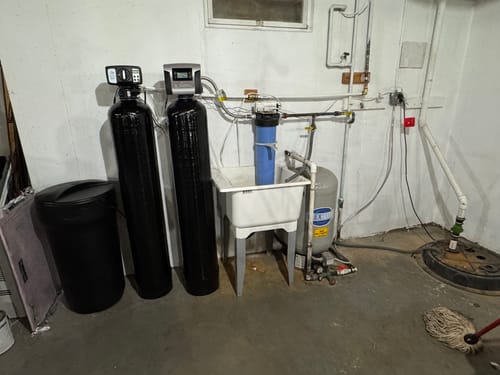
After eight months of real-world use, I can confidently recommend the SoftPro Iron Master to homeowners dealing with iron contamination issues. The system delivers on its core promise of effective iron removal while providing operational reliability and reasonable long-term costs.
The Iron Master excels in several key areas that matter most to homeowners. Performance consistency ranks highest – the system maintains iron removal effectiveness regardless of usage patterns or seasonal variations. Build quality inspires confidence for long-term ownership, from the fiberglass tank construction to the precision-engineered control valve. The air injection technology provides chemical-free operation that eliminates ongoing consumable costs while achieving superior results.
This system represents the ideal choice for households with moderate to high iron concentrations (2-8 PPM) who value whole-house treatment over point-of-use solutions. Families experiencing appliance damage, staining problems, or taste issues from iron contamination will appreciate the comprehensive improvement throughout their entire water system.
Budget-conscious buyers should consider the total cost of ownership rather than focusing solely on initial price. While the upfront investment exceeds basic iron filters, the operational efficiency and longevity create superior long-term value. Professional installation adds immediate cost but ensures optimal performance and protects the manufacturer warranty.
I would purchase the Iron Master again without hesitation and have already recommended it to three neighbors facing similar iron problems. The daily quality of life improvements, combined with appliance protection and reduced maintenance requirements, justify the investment many times over.
For homeowners still experiencing iron-related frustrations in their daily water use, the Iron Master offers a permanent solution that addresses the problem at its source rather than managing symptoms. The eight months since installation have convinced me that this represents one of the most impactful home improvements I've ever made.






