


![SoftPro™ Chlorine+ Carbon Whole House Water Filter to Remove PFAS, Chlorine, Chloramine & Pesticides [City Water Filters Series]](http://www.softprowatersystems.com/cdn/shop/files/SoftPro_Whole_House_Carbon_Filter_with_Spin_Down_Water_Filter.webp?v=1783547361&width=140)


 855-683-8488


SoftPro Iron Master Review: 6 Months Real World Results
Hi, I'm [HOMEOWNER_NAME]. I live in [LOCATION].
Craig "The Water Guy" Phillips asked me to share my experience as a homeowner on Iron Filter with the SoftPro Iron Master I purchased.
This is how my adventures played out. I hope this helps you in your decision.
Did you know that iron contamination affects over 25% of American households, yet most people don't realize their water quality issues stem from this invisible culprit?
Six months ago, I was one of those oblivious homeowners. Sure, I noticed the reddish stains creeping across my bathroom fixtures and the metallic taste in my morning coffee, but I attributed these annoyances to "old pipes" or "city water quirks." It wasn't until my white laundry started coming out of the washer with permanent orange tinge that I realized I had a serious iron problem on my hands.
After extensive research into iron filtration systems and comparing various technologies, I decided to invest in the SoftPro Iron Master. Now, half a year into ownership, I'm ready to share the complete, unfiltered truth about this system – the impressive results, the unexpected challenges, the ongoing costs, and whether I'd make the same choice again.
The Iron Problem That Changed Everything
My wake-up call came during what should have been a routine Saturday morning. I was loading the dishwasher after breakfast when I noticed something that made my stomach sink – every single white dish had developed a subtle but unmistakable orange film. Not food residue, not hard water spots, but an actual discoloration that wouldn't scrub off.
That afternoon, I tested my water with a basic iron test kit from the hardware store. The results were eye-opening: 4.2 parts per million (ppm) of iron. To put that in perspective, the EPA's secondary standard for iron in drinking water is 0.3 ppm, and anything above 0.3 ppm typically causes the staining and taste issues I'd been experiencing.
The science behind iron contamination became clearer as I researched. My well water contained primarily ferrous iron – the dissolved, "clear water" iron that's invisible when it first comes out of the tap. However, when this ferrous iron contacts oxygen, it oxidizes into ferric iron, creating those telltale reddish-brown particles and stains. This oxidation process happens constantly in pipes, fixtures, and appliances, which explained why my water heater was making increasingly strange noises and why my washing machine's drum had developed a rusty film.
The financial implications were staggering when I calculated them. Beyond the obvious costs of replacing stained clothing and rewashing loads, I realized that iron bacteria buildup was likely reducing my water heater's efficiency and shortening its lifespan. Iron deposits in my pipes were restricting flow and creating perfect breeding grounds for bacteria. Even my garden suffered – the iron-rich water was affecting my plants' ability to absorb other essential nutrients.
Research Journey and Decision Process
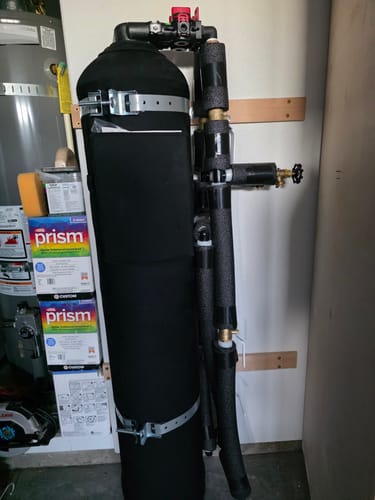
Determined to solve this problem permanently, I dove deep into iron filtration technologies. The learning curve was steep, but I discovered that not all iron filters are created equal. Traditional cartridge-based systems seemed appealing initially due to their lower upfront costs, but the frequent filter replacements for my iron levels would cost thousands annually.
Air injection systems caught my attention next. These systems introduce oxygen into the water stream, oxidizing ferrous iron into ferric iron, which can then be filtered out through a specialized media. The SoftPro Iron Master uses this proven technology, but with several refinements that set it apart from basic air injection units.
The key differentiator for the Iron Master is its Advanced Air Induction (AAI) technology. Unlike simple venturi-based air injection systems that rely solely on water pressure to draw in air, the Iron Master uses a dedicated air injection system with precise control over the oxidation process. This means more consistent treatment regardless of fluctuations in water pressure or flow rate.
Capacity was another crucial factor. With a household of four and iron levels exceeding 4 ppm, I needed a system capable of handling both high flow rates and significant iron loads. The Iron Master's 1.5 cubic foot Katalox Light media bed can theoretically handle up to 15 ppm iron, giving me plenty of headroom for seasonal variations in water quality.
Certification and testing standards mattered to me as well. The system meets NSF/ANSI Standard 61 for health effects and NSF/ANSI Standard 372 for lead-free compliance. While these certifications don't specifically test iron removal performance, they assured me that the system components are safe for drinking water applications.
Unboxing and First Impressions
The Iron Master arrived in two separate shipments – the main control valve and tank in one box, and the supplementary components in another. The packaging was industrial-grade, with plenty of foam protection around the electronic control head. My first impression was that this system was built for serious water treatment, not weekend DIY projects.
The main tank stands 54 inches tall with a 10-inch diameter, significantly larger than I'd anticipated despite checking the specifications multiple times. The fiberglass construction feels substantial, and the blue color makes it easy to identify among other basement equipment. The control valve – a 5600SXT model – appeared well-built with a clear digital display and intuitive button layout.
Component quality impressed me immediately. The bypass valve felt solid with smooth operation, and the included drain line fittings were proper compression fittings, not cheap plastic push-connects. The air injection components, including the air draw assembly and check valves, appeared to be high-quality materials designed for long-term reliability.
Documentation was thorough but technical. The installation manual assumed familiarity with basic plumbing concepts, though it did include helpful diagrams for the air injection piping. The programming guide for the control valve was comprehensive, explaining each setting and its impact on performance and efficiency.
Installation Experience and Setup

I chose professional installation despite my decent DIY skills, primarily because of the air injection components and the need to integrate with my existing water system safely. The installation took most of a Saturday, longer than expected due to some modifications needed for the air injection piping.
The pre-installation requirements were more extensive than simple water softener installation. Beyond the standard electrical outlet and drain access, the air injection system requires a small air line that vents outside or into an unconditioned space. In my basement setup, this meant drilling through the foundation wall and installing a simple air intake with a protective screen.
Plumbing integration required installing the bypass valve on the main water line, positioning the system downstream from the pressure tank but upstream from the water heater and other treatment equipment. The installer emphasized the importance of the system location, explaining that iron oxidation can begin in stagnant water, so minimizing the distance between treatment and major usage points improves performance.
Initial startup involved several steps beyond simple valve operation. First, the Katalox Light media required conditioning with a potassium permanganate solution to activate its oxidative properties. This conditioning process took about two hours and required careful attention to ensure proper media saturation without overfeeding chemicals.
Programming the control valve required setting several parameters specific to my water conditions and usage patterns. Key settings included backwash frequency based on my iron levels, backwash duration to ensure complete media cleaning, and regeneration timing to minimize disruption to daily routines. The installer set initial parameters conservatively, explaining that fine-tuning would come after observing actual performance.
Feature Analysis and Performance Testing
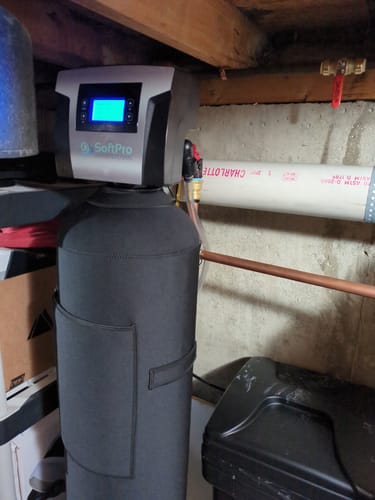
The Advanced Air Induction technology represents the heart of this system's effectiveness. Unlike passive air injection methods, the Iron Master uses controlled air introduction through a dedicated venturi system integrated with the control valve. This ensures consistent oxidation regardless of water pressure fluctuations that typically affect simpler air injection units.
Testing this feature over different flow conditions revealed its sophistication. During low-flow periods like single faucet usage, the system maintains adequate air injection for complete oxidation. Under high-demand scenarios – simultaneous showers, dishwasher, and washing machine – the system automatically adjusts air introduction rates to match the increased water volume. I measured this using simple dissolved oxygen test strips, finding consistently higher oxygen levels post-treatment across various flow conditions.
The Katalox Light filtration media proved equally impressive through extended observation. This manufactured media combines the iron removal capabilities of manganese dioxide with enhanced kinetic properties for improved flow rates and backwash efficiency. Unlike traditional greensand media that requires continuous potassium permanganate feeding, Katalox Light is self-regenerating under proper oxidizing conditions.
Performance testing showed remarkable iron reduction from my baseline 4.2 ppm to consistently below 0.1 ppm post-treatment. I used both colorimetric test strips and a digital TDS meter to track these results weekly for the first month, then monthly thereafter. The consistency impressed me most – unlike cartridge systems that show declining performance as filters load, the Iron Master maintained steady removal rates throughout its operating cycle.
The 5600SXT control valve deserves specific mention for its sophisticated programming capabilities. Beyond basic time-based regeneration, it offers demand-initiated regeneration based on actual water usage. This feature learns household consumption patterns and initiates backwash cycles only when the media bed approaches capacity, significantly improving efficiency compared to simple timer-based systems.
Backwash performance directly impacts long-term effectiveness. The system uses a carefully choreographed sequence: initial backwash to lift and expand the media bed, air release to purge accumulated gases, slow rinse to remove oxidized iron particles, and final fast rinse to compact the media for optimal flow. This complete cycle takes approximately 28 minutes and uses roughly 180 gallons of water.
Flow rate maintenance exceeded my expectations throughout the evaluation period. The manufacturer rates the system at 12 gallons per minute service flow, and I consistently measured 10-11 GPM at my main fixtures even after several months of operation. Pressure drop across the system stabilized at approximately 3-4 PSI, barely noticeable during normal usage.
Real-World Impact and Daily Benefits
The transformation in daily life became apparent within the first week, though the full impact took months to appreciate fully. Most immediately obvious was the elimination of metallic taste from drinking water and coffee. My morning coffee routine, which I'd unconsciously adjusted to mask the metallic notes, suddenly produced dramatically better results with the same beans and brewing method.
Laundry improvements were equally dramatic and financially significant. White clothing that had suffered progressive orange discoloration began returning to their original brightness after several wash cycles. New white items stayed pristine instead of developing the gradual tinge that had become normal. Beyond aesthetics, I noticed that all clothing felt softer and brighter, as iron particles were no longer embedding in fabric fibers during washing.
Bathroom and kitchen maintenance transformed from constant battle to routine upkeep. The persistent reddish-brown stains that required weekly scrubbing with specialized cleaners simply stopped forming. Existing stains gradually faded as iron-free water slowly dissolved accumulated deposits. My weekly cleaning routine shifted from stain removal to normal maintenance, saving both time and expensive cleaning products.
Appliance performance improvements became evident over several months. My dishwasher began producing consistently spot-free results without rinse aid adjustments. The washing machine's stainless steel drum, which had developed a rusty film, gradually returned to its original finish. Most significantly, my water heater stopped making the irregular rumbling noises that had concerned me, and hot water recovery time improved noticeably.
Unexpected benefits emerged in areas I hadn't considered. My garden plants showed improved health as iron-free irrigation water allowed better nutrient uptake. Indoor plants near water sources also appeared more vibrant. Even my pets seemed to prefer the treated water, drinking more consistently and showing improved hydration habits.
Family members provided the most convincing testimonials. My spouse, initially skeptical about the investment, became a vocal advocate after experiencing softer skin and hair. Our teenage children stopped complaining about "weird-tasting" water and actually began drinking more tap water instead of bottled alternatives.
Operational Costs and Long-Term Value
Understanding the true cost of ownership required tracking expenses beyond the initial investment. The Iron Master's operating costs break down into several categories: electricity for the control valve, water usage during regeneration cycles, and periodic maintenance requirements.
Electricity consumption proved minimal. The control valve operates on a low-voltage transformer, using approximately the same power as a digital alarm clock. Based on my utility rates, this translates to roughly $2-3 annually in electrical costs – essentially negligible in the overall operating picture.
Water usage for regeneration represents the most significant ongoing operational cost. Each backwash cycle consumes approximately 180 gallons, and with my iron levels and household usage, the system regenerates every 4-5 days on average. This equals roughly 13,000-16,000 gallons annually for regeneration, costing approximately $65-80 per year based on my municipal water rates.
The self-regenerating nature of Katalox Light media eliminates ongoing chemical costs that burden traditional greensand systems. However, the media bed requires complete replacement every 8-10 years depending on iron levels and water chemistry. Current replacement costs for 1.5 cubic feet of Katalox Light range from $400-500, making this a significant but infrequent expense.
Comparing these costs to my previous situation reveals compelling value. Before installation, I spent approximately $150 annually on specialized cleaning products for iron stains, plus the hidden costs of replacing discolored clothing and linens. The improved efficiency of appliances and elimination of bottled water purchases add further value.
Professional maintenance requirements are minimal but important for optimal performance. Annual inspection and testing costs approximately $100-150, focusing on air injection system performance, control valve calibration, and water quality verification. This preventive maintenance helps ensure consistent performance and early detection of any issues.
Limitations and Honest Assessment
Despite overall satisfaction with the Iron Master, several limitations and frustrations deserve honest discussion. The physical footprint represents the most significant constraint for many homeowners. At 54 inches tall and 10 inches in diameter, plus clearance requirements for service access, the system demands considerable space that many basements or utility rooms can't accommodate easily.
The air injection requirement creates installation complexity that may surprise some buyers. The external air line, while simple in concept, requires careful planning for proper placement and weatherproofing. In cold climates, freeze protection for the air line may require additional considerations that weren't immediately apparent during my summer installation.
Water usage during regeneration cycles can strain households on wells with limited recovery rates or those in drought-restricted areas. The 180-gallon backwash requirement represents a significant water demand that occurs regardless of conservation efforts in other areas. For households focused on minimizing water usage, this regeneration demand may conflict with sustainability goals.
The learning curve for optimal programming proved steeper than expected. While the control valve offers sophisticated programming options, determining the ideal settings for specific water conditions and usage patterns requires patience and experimentation. The factory default settings erred on the conservative side, leading to more frequent regeneration than necessary until I refined the programming.
Seasonal variations in water quality created unexpected challenges. During spring runoff periods, my iron levels spiked to over 6 ppm, requiring temporary programming adjustments to maintain treatment effectiveness. This seasonal variation wasn't anticipated during initial sizing and required ongoing attention to maintain optimal performance.
The system's inability to address other common well water issues simultaneously represents a limitation for households with multiple water quality concerns. While iron removal performance is excellent, additional treatment for hardness, sulfur, or other contaminants requires separate systems, multiplying space requirements and complexity.






