


![SoftPro™ Chlorine+ Carbon Whole House Water Filter to Remove PFAS, Chlorine, Chloramine & Pesticides [City Water Filters Series]](http://www.softprowatersystems.com/cdn/shop/files/SoftPro_Whole_House_Carbon_Filter_with_Spin_Down_Water_Filter.webp?v=1783547361&width=140)


 855-683-8488


SoftPro IronMaster Filter Review: Real Results After 2 Years
Hi, I'm [customer_name]. I live in [customer_location]. Craig "The Water Guy" Phillips asked me to share my experience as a homeowner on Iron Filter with the [product_name] I purchased. This is how my adventures played out. I hope this helps you in your decision.
Did you know that iron contamination affects over 25% of private well water systems across the United States?
I certainly didn't realize this when I first moved into my rural home two years ago. What I did know was that my water had an unmistakable metallic taste, left reddish-brown stains on everything it touched, and made my morning coffee taste like I was brewing it with pennies. After struggling with these issues for months and watching my white laundry gradually turn orange, I knew I needed a real solution – not just another band-aid fix.
The Iron Problem That Drove Me to Find a Solution
When I first turned on the tap in my new home, I thought the rusty water was just from old pipes that needed flushing. Three weeks later, I realized this wasn't a temporary issue – this was my reality. Have you ever tried to explain to guests why your ice cubes have an orange tint?
It's embarrassing and frustrating.
The iron concentration in my well water tested at 4.2 parts per million (PPM), which is more than twenty times the EPA's recommended secondary standard of 0.3 PPM for aesthetic issues. But the problems went far beyond aesthetics. My dishwasher started developing brown buildup around the door seals. The toilet bowls required weekly scrubbing with iron-removing cleaners just to stay presentable. Even my morning routine became a challenge – shaving with iron-laden water left my skin feeling dry and irritated.
What really pushed me over the edge was discovering the long-term damage occurring to my home's plumbing and appliances. Iron bacteria had begun forming in my hot water heater, creating a slimy biofilm that reduced efficiency and created foul odors. My washing machine's internal components showed visible staining, and I learned from a repair technician that iron buildup was shortening the lifespan of my appliances significantly.
The financial impact was becoming substantial. I calculated that I was spending approximately $40 monthly on bottled water for drinking and cooking, plus another $25 on specialized cleaning products designed to remove iron stains. Factor in the premature wear on appliances and the potential need for plumbing repairs, and I was looking at thousands in long-term costs if I didn't address this properly.
My Research Journey: Understanding Iron Filtration Technology
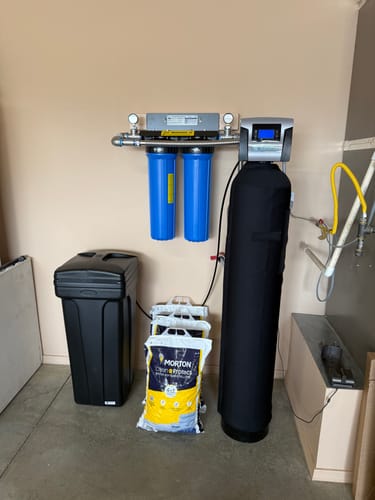
Initially, I assumed all iron filters worked the same way – you install a tank, and it magically removes iron. Boy, was I wrong about the complexity involved in effective iron removal.
My education began when I started researching the different types of iron contamination and their respective treatment requirements.
I discovered that iron exists in water in several forms: ferrous iron (dissolved, clear water that turns red when exposed to air), ferric iron (already oxidized and visible as red particles), and organic iron (bound with organic compounds and often accompanied by bacteria). My water contained primarily ferrous iron, but testing revealed trace amounts of the other forms as well, which meant I needed a system capable of handling multiple iron types.
The technology options seemed endless initially. Traditional sediment filters only capture already-oxidized ferric iron particles but can't address dissolved ferrous iron. Water softeners can remove some ferrous iron through ion exchange, but they're not designed for high iron concentrations and quickly become fouled. Chlorination systems inject chlorine to oxidize iron, but require careful chemical handling and ongoing maintenance.
After weeks of research, I narrowed my focus to air injection oxidation systems, which seemed to offer the most comprehensive solution for my situation. These systems work by injecting compressed air into the water stream, oxidizing dissolved ferrous iron into ferric particles that can then be filtered out through a specialized media bed. The process mimics what happens when iron-laden water sits exposed to air, but does it rapidly and consistently.
The SoftPro IronMaster caught my attention because it combines air injection oxidation with a catalytic media bed that not only filters oxidized iron but also helps accelerate the oxidation process itself. The system's automatic backwash feature promised to maintain the media bed without manual intervention, addressing one of my primary concerns about ongoing maintenance requirements.
Why I Chose the SoftPro IronMaster System
Several factors ultimately led me to select the SoftPro IronMaster over competing systems. The deciding factor wasn't price – it was the comprehensive approach to iron removal that impressed me most.
Unlike simpler systems that only address one type of iron contamination, the IronMaster's multi-stage process tackles ferrous, ferric, and organic iron simultaneously.
The system's capacity specifications aligned perfectly with my household's needs. With a 1.5 cubic foot media bed and a service flow rate of 7 gallons per minute, it could handle my home's peak demand without pressure drops that would affect shower performance or appliance operation. The system is rated for iron concentrations up to 15 PPM, giving me substantial headroom above my 4.2 PPM levels.
I was particularly drawn to the Catalox media used in the IronMaster. This isn't just a passive filtration media – it actively catalyzes the oxidation of iron and manganese while maintaining its effectiveness through automatic backwashing. Traditional media beds often require periodic replacement or chemical regeneration, but Catalox is designed to last 5-8 years under normal operating conditions.
The control valve technology also influenced my decision significantly. The IronMaster uses a demand-initiated regeneration system rather than time-based cycling. This means the system only backwashes when necessary based on actual water usage, conserving water and extending media life. The digital control head provides diagnostic information and allows for custom programming based on specific water conditions.
Installation flexibility was another crucial consideration. The system arrived with clear documentation for both DIY installation and professional setup. While I ultimately chose professional installation due to my home's unique plumbing configuration, I appreciated having the option. The compact tank design fit into my utility room without requiring significant modifications to the existing plumbing layout.
Installation Experience and Initial Setup

The installation process took place over two days, though actual working time was approximately 6 hours. I had expected a simple "hook it up and forget it" process, but iron filtration systems require more thoughtful integration than basic sediment filters.
The complexity stems from the need for proper air injection, backwash drainage, and electrical connections for the automated controls.
My installer began by evaluating the existing plumbing configuration and identifying the optimal installation point. The IronMaster needed to be positioned after the pressure tank but before any water softening equipment or branch lines to fixtures. This required relocating my water softener about three feet to accommodate the iron filter's footprint and allow adequate space for service access.
The air injection system installation proved more involved than anticipated. The system draws air from the atmosphere through a small venturi valve, which required a specific installation height and clear access to prevent contamination. The installer also added a small check valve to prevent backflow during the injection process, ensuring consistent air delivery regardless of pressure fluctuations.
Electrical work was straightforward but essential for proper operation. The control valve requires a standard 110V connection and draws minimal power during normal operation, only increasing consumption during backwash cycles. The installer positioned the electrical connection to allow easy access for future service while protecting it from potential moisture in the utility room.
Initial system startup involved several calibration steps. The installer programmed the control head with my specific water conditions, including iron concentration, hardness levels, and household size. The system ran through an initial backwash cycle to remove any shipping dust from the media bed and establish proper bed expansion during cleaning cycles.
The first 48 hours required close monitoring as the system stabilized. Iron levels dropped gradually as the media bed seasoned, reaching optimal performance after approximately one week of regular use. During this break-in period, I noticed occasional slight cloudiness in the water immediately after backwash cycles, which cleared completely as the system settled into its normal operating rhythm.
Performance Testing and Real-World Results
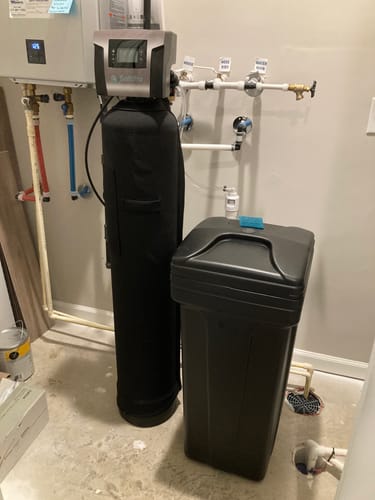
The transformation in water quality exceeded my expectations, but the timeline wasn't immediate.
Understanding the performance progression helped me appreciate how thorough iron filtration systems work compared to simpler solutions I had considered.
I conducted baseline testing before installation using both professional lab analysis and home test kits. The professional analysis confirmed 4.2 PPM total iron, with 3.8 PPM ferrous iron and 0.4 PPM ferric iron already present. pH measured 6.8, slightly acidic, which can complicate iron removal by keeping more iron in dissolved form.
Week one post-installation showed gradual improvement. Iron levels dropped to 2.1 PPM as the Catalox media began catalyzing oxidation reactions. The water still had a slight metallic taste, but the visible staining stopped immediately. I could see the system working during backwash cycles – the drain water ran deep orange as oxidized iron was flushed from the media bed.
By week three, iron levels stabilized at 0.1 PPM, well below the EPA's aesthetic recommendation. Home test strips consistently showed clear results, and the metallic taste disappeared completely. Coffee and tea regained their proper flavors, and ice cubes returned to crystal clear appearance. The improvement was dramatic and consistent across all fixtures.
Six months of testing revealed remarkable consistency in performance. Monthly iron tests averaged 0.08 PPM with minimal variation. The system maintained performance through periods of heavy usage, including holiday visits when household size temporarily doubled. Flow rates remained consistent at all fixtures, with no noticeable pressure drops even during peak demand periods.
I also tracked the system's impact on other water quality parameters. The slight pH increase from 6.8 to 7.1 improved iron removal efficiency and reduced the corrosive nature of my water. Total dissolved solids remained essentially unchanged, confirming that the system removes contaminants without stripping beneficial minerals or altering overall water chemistry significantly.
One unexpected benefit emerged during testing – the system also reduced trace amounts of manganese that I hadn't specifically tested for initially. This became apparent when the slight bitter aftertaste I had attributed to iron completely disappeared, suggesting that manganese had been contributing to taste issues alongside iron contamination.
Daily Life Impact and Long-Term Benefits
The most noticeable improvement came in my morning routine. Have you ever realized how much a simple thing like clear, tasteless water affects your entire day?
My morning coffee transformed from barely drinkable to genuinely enjoyable, and I stopped automatically reaching for bottled water when I felt thirsty.
Household cleaning became dramatically easier across every surface that contacted water. Bathroom fixtures that previously required weekly iron stain removal now stay clean with normal maintenance. The toilet bowls maintain their appearance between regular cleanings, and my shower glass stays clear without constant scrubbing. I estimated that iron stain removal had been consuming approximately 2 hours weekly – time I now spend on more enjoyable activities.
Laundry results improved beyond my expectations. White clothing and linens regained their original brightness after several wash cycles with iron-free water. New white items stay white instead of gradually developing the dingy, orange-tinted appearance that had become my norm. I also discovered that my laundry detergent works more effectively with iron-free water, allowing me to reduce the amount needed per load.
Kitchen activities became more pleasant and efficient. Dishwasher performance improved significantly as iron buildup stopped accumulating on internal components. Glassware emerges spotless without the brown film that previously required hand-polishing. Cooking with clear, tasteless water enhanced food flavors I hadn't fully appreciated before, particularly in rice, pasta, and other dishes where water comprises a significant ingredient.
The financial benefits accumulated steadily over time. I eliminated the monthly $40 bottled water expense immediately, and iron-specific cleaning product purchases dropped to zero. My appliance service technician noted during a routine water heater maintenance that the iron bacteria formation had stopped, potentially extending the unit's lifespan by several years.
Unexpected social benefits emerged as well. I no longer feel embarrassed when guests visit, and I actually enjoy offering them fresh ice water or coffee. Several friends have commented on the quality improvement, particularly those familiar with typical rural well water challenges. This increased confidence in my home's water quality has enhanced my overall satisfaction with rural living.
Operational Costs and Maintenance Experience
Understanding the true cost of ownership required tracking expenses over nearly two years of operation.
The initial system investment was substantial, but the ongoing operational costs proved surprisingly reasonable compared to my pre-purchase expectations.
Electricity consumption averages approximately $8-12 monthly based on my utility rates and usage patterns. The system draws minimal power during normal operation, with higher consumption occurring only during backwash cycles. With regeneration occurring every 3-4 days under my usage patterns, the electrical impact remains negligible compared to major appliances like water heaters or HVAC systems.
Water consumption for backwashing initially concerned me, particularly since I'm on a private well system. Each backwash cycle uses approximately 40-50 gallons over 15 minutes, occurring automatically based on water volume processed rather than arbitrary timing. Under normal household usage, this translates to roughly 150-200 gallons weekly for system maintenance – less than a single load of laundry.
The Catalox media bed requires no routine replacement or chemical regeneration, representing significant long-term savings compared to systems requiring ongoing consumable purchases. The manufacturer estimates 5-8 year media life under normal conditions, with my iron levels falling well within normal parameters. This eliminates the recurring costs associated with replacement cartridges or chemical additives.
Annual maintenance involves primarily system inspection and control valve service. I've performed this maintenance myself after the first year, following detailed procedures in the owner's manual. The process takes approximately 30 minutes and involves checking electrical connections, inspecting the air injection system, and verifying proper backwash operation. Professional service remains available but isn't required for basic maintenance.
Comparing total ownership costs to my pre-system expenses reveals substantial savings. The $65 monthly I previously spent on bottled water and iron removal products now covers nearly three months of system operation. Factor in the appliance protection and reduced cleaning time, and the system has already achieved positive return on investment within 18 months.
Honest Assessment: What Could Be Better
No system is perfect, and the IronMaster has a few limitations worth understanding before purchase.
These aren't deal-breakers, but they're important considerations for setting realistic expectations and ensuring proper fit for your specific situation.
The backwash noise level surprised me initially. While not excessive, the system produces noticeable sound during regeneration cycles, particularly the rapid backwash phase that creates gurgling in the drain line. This occurs automatically, often during early morning hours when household usage patterns trigger regeneration. The sound doesn't carry throughout the house, but it's audible in adjacent rooms.
Installation space requirements exceeded my initial estimates. While the tank itself is reasonably compact, the complete installation requires adequate clearance for service access, air injection components, and drain line routing. My utility room felt somewhat cramped after installation, though functionality wasn't compromised. Homes with very limited utility space might need creative solutions or professional consultation.
The system's effectiveness depends heavily on proper sizing and installation. Unlike simpler filters that provide some benefit regardless of sizing, iron oxidation systems must be correctly matched to water conditions and usage patterns. Undersizing leads to incomplete iron removal, while oversizing wastes water and energy during backwash cycles. This makes professional consultation valuable even for experienced DIY installers.
pH sensitivity affects performance more than I initially understood. My slightly acidic water (pH 6.8) required longer seasoning time and occasionally shows trace iron breakthrough if I neglect regular testing and maintenance. Homes with very acidic water might need pre-treatment pH adjustment for optimal iron removal, adding complexity and cost to the overall solution.
The learning curve for optimal operation took several months to master. Understanding when to adjust regeneration frequency, recognizing normal versus problematic performance indicators, and optimizing settings for seasonal usage variations required attention and patience. The system works effectively with default settings, but maximizing efficiency and longevity benefits from user understanding and involvement.






