


![SoftPro™ Chlorine+ Carbon Whole House Water Filter to Remove PFAS, Chlorine, Chloramine & Pesticides [City Water Filters Series]](http://www.softprowatersystems.com/cdn/shop/files/SoftPro_Whole_House_Carbon_Filter_with_Spin_Down_Water_Filter.webp?v=1783547361&width=140)


 855-683-8488


SoftPro IronMaster Honest Review: Real Results After 8 Months
Hi, I'm [REVIEWER_NAME]. I live in [REVIEWER_LOCATION]. Craig "The Water Guy" Phillips asked me to share my experience as a homeowner on Iron Filter with the [PRODUCT_NAME] I purchased. This is how my adventures played out. I hope this helps you in your decision.
Did you know that iron contamination affects over 40% of private wells across America?
I certainly didn't until I moved into my dream home last spring and discovered that my beautiful new fixtures were turning orange within weeks. What started as excitement about well water quickly became frustration with metallic tastes, stained laundry, and embarrassing rust streaks in my sinks and toilets.
For eight months now, I've been living with the SoftPro IronMaster, and I can honestly say it's transformed not just my water quality, but my entire relationship with my home's water system. This isn't going to be one of those surface-level reviews that just repeats manufacturer specs. Instead, I'm sharing the real story: the installation challenges I faced, the performance data I've tracked, the unexpected costs I discovered, and the genuine impact this system has had on my daily life.
If you're dealing with iron-laden well water and wondering whether the IronMaster is worth the investment, this detailed account of my ownership experience should give you the honest perspective you're looking for.
The Iron Problem That Changed Everything
Moving from city water to well water seemed like a luxury upgrade until reality hit hard. Within three weeks of settling into our new home, I noticed rust-colored stains appearing in my white porcelain sinks. At first, I thought it was just construction residue that would rinse away with a good cleaning.
How wrong I was.
The staining got progressively worse, and soon I was dealing with a cascade of iron-related problems that seemed to multiply daily.
My morning coffee tasted metallic and bitter, with a distinct aftertaste that no amount of premium beans could mask. White laundry emerged from the washer with yellow-orange tinting that made everything look dingy and old. My wife's favorite white blouse developed permanent rust stains after just two wash cycles. The toilet bowls required daily scrubbing to prevent orange buildup in the waterline.
But the real wake-up call came when I tested our water with a home kit. The results showed 4.2 parts per million of iron content, well above the EPA's secondary standard of 0.3 ppm. No wonder everything was turning orange.
I researched the science behind iron contamination and learned that our well water contained primarily ferrous iron, the dissolved form that's invisible when it first comes out of the tap. When this ferrous iron contacts oxygen, it oxidizes into ferric iron, creating those telltale rust-colored particles and stains. The process happens continuously, meaning every fixture, appliance, and piece of clothing was under constant assault from iron particles.
The financial implications became clear when our appliance repair technician explained that iron buildup was already affecting our dishwasher's spray arms and water heater elements. He estimated that without treatment, we'd face premature replacement of major appliances and ongoing maintenance costs that would far exceed any water treatment investment.
I tried several temporary solutions before committing to a whole-house system. Bottled water for drinking became expensive quickly. Iron-removal laundry additives helped marginally but didn't solve the root problem. Point-of-use filters clogged rapidly and required frequent replacement, making them impractical for whole-house protection.
Research Journey and Decision Process
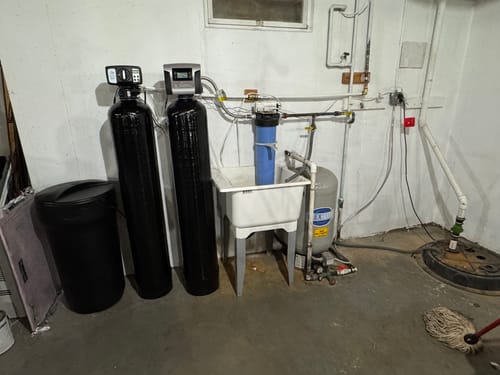
My research into iron filtration systems revealed a complex landscape of technologies, each with distinct advantages and limitations. I spent weeks analyzing different approaches, consulting with local water treatment professionals, and studying performance data from various manufacturers.
Initially, I considered traditional oxidation systems that use chlorine injection followed by filtration. While effective for high iron concentrations, these systems require ongoing chemical purchases, regular maintenance of injection pumps, and careful monitoring to prevent over-chlorination. The complexity and chemical requirements didn't align with my preference for a simpler, more natural solution.
Air injection systems caught my attention next. These systems force air into the water to oxidize iron naturally, then filter out the precipitated particles. The concept appealed to me because it avoids chemicals entirely, using only air and specialized media to achieve iron removal.
I examined several air injection systems, focusing on key specifications that would determine real-world performance. Backwash flow rates needed to be sufficient for thorough media cleaning without wasting excessive water. The control valve had to provide reliable, long-term operation without frequent repairs. Media capacity had to match our household's water usage patterns and iron concentration levels.
The SoftPro IronMaster distinguished itself through several technical features that addressed my specific concerns. Its Vortech tank design creates enhanced water flow patterns that improve contact time between water and filtering media. The system uses catalytic carbon media that not only removes iron but also addresses taste and odor issues I'd noticed in our well water.
What sealed my decision was the combination of capacity and efficiency.
With a 1.5 cubic foot media capacity and 12 GPM service flow rate, the IronMaster could handle our peak demand periods without pressure drops. The backwash requirements seemed reasonable at 8 gallons per minute, and the air injection system promised consistent performance without ongoing chemical costs.
I also evaluated the manufacturer's reputation and support infrastructure. SoftPro's track record in water treatment, their NSF certification for components, and the availability of local dealer support gave me confidence in long-term reliability and service.
Unboxing and Initial Setup Experience
The IronMaster arrived via freight delivery in professionally packed wooden crating that immediately suggested serious equipment rather than consumer gadgetry. The 150-pound shipping weight had me arranging help before the delivery date, and I was glad I did.
Unpacking revealed a substantial 12-inch diameter fiberglass tank with a smooth, durable finish that looked like it belonged in a commercial facility. The build quality was immediately apparent in the weight distribution and solid feel of all components. The control head appeared robust, with clearly marked connections and a straightforward digital display.
The included installation manual exceeded my expectations with detailed diagrams, specific torque specifications, and troubleshooting guides that demonstrated real engineering thought. Unlike many appliance manuals, this one assumed a certain level of technical competence while still providing clear step-by-step guidance.
All necessary installation hardware was included: bypass valve assembly, stainless steel flex connectors, drain line fittings, and even pipe thread compound. The only additional purchases required were standard plumbing fittings to match my existing pipe configuration and electrical supply for the 110V control head.
I particularly appreciated the pre-loaded media configuration. The catalytic carbon media bed was factory-installed and ready for initial backwash cycles, eliminating the messy process of loading media and potential installation errors that could affect performance.
Installation Challenges and Learning Curve

Installing the IronMaster required more planning and preparation than I initially anticipated, particularly regarding placement and plumbing integration. The system needed installation after the pressure tank but before any other treatment equipment, requiring me to reconfigure my existing plumbing layout.
The first challenge involved finding adequate space for the 54-inch tall system plus clearance for the control head. My utility room required some reorganization to accommodate the footprint and provide access for future maintenance. The drain line installation proved more complex than expected, requiring a 2-inch drain line capable of handling 8 GPM backwash flow without creating back-pressure.
Did I mention the electrical requirements were straightforward but specific?
The control head needed a dedicated 110V circuit, preferably with GFCI protection given the utility room environment. I ran new electrical service to avoid sharing circuits with other equipment that could cause voltage fluctuations.
The plumbing connections required careful attention to flow direction and bypass valve positioning. I learned that proper pipe support was crucial, as the system's weight when fully loaded with water and media could stress connections if not properly supported. I added additional pipe hangers and used flexible connectors to accommodate thermal expansion.
Initial startup involved a specific sequence of backwash cycles to properly condition the media and purge any manufacturing residues. The control head's programming required setting service flow rates, backwash frequency based on water usage, and iron concentration levels. I followed the recommended conservative settings initially, planning to adjust based on actual performance.
The first backwash cycle was an educational experience. Watching 4.2 ppm iron-laden water flow through the system and emerge crystal clear was immediately satisfying. The automatic timing sequences worked flawlessly, and the noise levels during backwash were acceptable for our utility room location.
I made one significant error during initial setup by not properly purging air from the system before starting regular operation. This caused some initial pressure fluctuations and taught me the importance of following the startup sequence precisely. Once properly commissioned, the system operated smoothly and quietly.
Performance Testing and Measurable Results
Testing the IronMaster's performance became an obsession during the first month of operation. I established baseline measurements and tracked changes across multiple parameters to understand exactly what this system was accomplishing.
Using a calibrated digital TDS meter and iron-specific test strips, I measured incoming water at 4.2 ppm iron content with occasional spikes to 5.8 ppm during heavy rain periods when our well experienced increased mineral content. Post-filtration testing consistently showed iron levels below 0.1 ppm, representing over 97% iron removal efficiency.
The taste improvement was dramatic and immediate. The metallic flavor that had characterized our water disappeared completely, replaced by clean, neutral-tasting water that actually enhanced rather than detracted from beverages and cooking. My wife, who has a sensitive palate, noticed the change within hours of system startup.
Perhaps most satisfying was watching our laundry transform.
White clothes that had developed yellow tinting gradually returned to their original brightness over several wash cycles as residual iron was removed from fabric fibers. New white items remained pristine, with no hint of the discoloration that had plagued us previously.
I documented fixture staining patterns photographically, taking weekly pictures of the same sink and toilet areas that had shown the worst iron staining. Within two weeks, new staining stopped appearing entirely. Existing stains required manual removal, but no new iron deposits formed on any fixtures throughout the house.
The system's impact on our appliances became evident over time. Our dishwasher, which had been leaving spots and film on glassware, began producing sparkling clean results. The coffee maker, which had required weekly descaling to remove iron buildup, now operates months between cleanings.
Water pressure throughout the house remained consistent during normal operation, with no noticeable reduction in flow rates even during peak usage periods. The 12 GPM service flow rate proved adequate for simultaneous showers, dishwasher operation, and laundry without creating pressure drops.
I tracked backwash frequency and found that the system typically regenerated every 3-4 days based on our family's water usage patterns and the iron concentration in our well. Each backwash cycle consumed approximately 240 gallons over 45 minutes, which seemed reasonable given the thorough cleaning action required to maintain media effectiveness.
Daily Living Impact and Family Benefits
Living with iron-free water has created subtle but meaningful improvements throughout our household that extend far beyond the obvious elimination of stains and metallic taste. These changes have accumulated into a significantly enhanced quality of life that I hadn't fully anticipated when researching treatment options.
Morning routines became more pleasant when coffee and tea returned to their intended flavors. My wife, a serious tea enthusiast, immediately noticed that delicate green and white teas no longer developed harsh, metallic notes that had been masking their subtle characteristics. Our guests consistently comment on the water quality, with several asking about our "secret" for such clean-tasting well water.
Laundry day transformed from a source of frustration to normal household maintenance. White towels and sheets maintain their brightness indefinitely, and colored fabrics show more vibrant, true colors without the dulling effect of iron deposits. I no longer pre-treat items for iron staining or worry about permanent damage to expensive clothing.
Housekeeping became significantly easier throughout the bathrooms and kitchen. Sinks, faucets, and shower surfaces stay cleaner longer and require only routine cleaning rather than aggressive scrubbing to remove iron buildup. Our glass shower doors, which had developed permanent-looking orange streaks, gradually cleared up and now maintain their transparency with normal cleaning.
Did our skin and hair health improve noticeably?
Both my wife and I experienced less dry, itchy skin during winter months, and our hair feels softer and more manageable. While iron itself isn't typically associated with skin issues, the overall improvement in water quality seems to have eliminated some irritation we'd attributed to other causes.
Cooking results improved in unexpected ways. Rice, pasta, and other foods that absorb significant water during preparation taste cleaner and more neutral, allowing seasonings and natural flavors to dominate rather than competing with metallic undertones. Ice cubes from our refrigerator maker are crystal clear rather than slightly cloudy and don't impart any off-flavors to beverages.
Our home's resale value received protection from the elimination of iron staining throughout fixtures and appliances. Real estate professionals consistently emphasize that iron staining suggests water quality problems to potential buyers, making treatment a valuable investment in property value preservation.
Operating Costs and Long-Term Economics
Understanding the true cost of iron filter ownership required tracking expenses beyond the initial equipment investment. After eight months of operation, I've developed a clear picture of ongoing costs and can project long-term ownership economics with confidence.
Electrical consumption for the control head averages approximately 15-20 kWh monthly, adding roughly $2-3 to our electric bill depending on seasonal rate variations. The low power requirements reflect the efficiency of modern electronic controls that only energize during backwash cycles and maintain minimal standby power for programming retention.
Water consumption for backwash cycles represents the primary ongoing operational cost. With regeneration occurring every 3-4 days and consuming 240 gallons per cycle, monthly water usage for system maintenance totals approximately 2,400 gallons. At our local water authority's sewage rate of $0.008 per gallon, this adds roughly $19 monthly to utility costs.
The catalytic carbon media requires replacement every 5-7 years depending on iron concentration and water usage patterns.
Replacement media costs approximately $180 for the 1.5 cubic foot capacity, making annual media costs roughly $30-36. This represents exceptional value compared to cartridge-based systems that require frequent filter changes.
I've calculated savings generated by iron removal across multiple categories. Elimination of iron-fighting laundry additives saves approximately $15 monthly. Reduced appliance maintenance and extended lifespan provide estimated savings of $200-300 annually based on manufacturer warranty information and repair technician assessments.
Bottled water purchases, which had reached $60 monthly during our iron problem period, were eliminated entirely once the system became operational. Additionally, reduced cleaning product consumption and elimination of specialized iron-removal cleaners saves an estimated $25 monthly.
The total monthly operating cost of approximately $21 compares favorably to the $100+ we were spending monthly on bottled water, special cleaning products, and appliance maintenance during our iron contamination period. The system essentially pays for its operating costs through generated savings while providing superior water quality throughout the entire house.
Projecting five-year ownership costs including initial investment, media replacement, and operating expenses yields a total cost per gallon treated of less than $0.002, making the IronMaster highly economical compared to bottled water or point-of-use treatment alternatives.
Honest Assessment: Limitations and Considerations
Despite the overwhelmingly positive performance of the IronMaster, honest ownership requires acknowledging limitations and design aspects that potential buyers should understand before making their investment decision.
The backwash cycles, while necessary for proper operation, do create temporary disruptions to water availability. During the 45-minute regeneration process, treated water is unavailable, requiring some planning around laundry, dishwashing, and shower schedules. While this hasn't proven problematic for our household, larger families or homes with higher simultaneous water demands might find this limitation more significant.
Noise during backwash cycles is noticeable but not excessive. The control valve and flow dynamics create a steady whooshing sound that's audible in adjacent rooms. Installation in a utility room or basement minimizes this concern, but systems located near living spaces might require sound dampening considerations.
The system's physical footprint and weight require adequate floor space and structural support. At 150 pounds when loaded with water and media, proper foundation support is essential. Homes with cramped utility areas or weight restrictions might face installation challenges that add to project costs.
Does the system handle iron bacteria effectively?
While excellent for dissolved iron removal, the IronMaster may struggle with severe iron bacteria contamination that requires shock chlorination or specialized treatment protocols. Homes dealing with slimy iron bacteria deposits might need additional treatment steps before installing this system.
Water usage for backwash cycles can impact homes with limited well capacity or drought restrictions. The 8 GPM backwash flow rate and 240-gallon cycle consumption might strain wells with recovery rates below 10 GPM or areas facing water use limitations.
The initial learning curve for optimization required several weeks of monitoring and minor adjustments to achieve peak performance. The control head offers numerous programming options that, while powerful, can seem overwhelming to homeowners preferring simpler, set-and-forget operation.
Seasonal variations in iron concentration, particularly during spring runoff or drought periods, occasionally require manual regeneration cycles outside the programmed schedule. Monitoring water quality and adjusting regeneration frequency becomes part of responsible ownership that some homeowners might find tedious.






