


![SoftPro™ Chlorine+ Carbon Whole House Water Filter to Remove PFAS, Chlorine, Chloramine & Pesticides [City Water Filters Series]](http://www.softprowatersystems.com/cdn/shop/files/SoftPro_Whole_House_Carbon_Filter_with_Spin_Down_Water_Filter.webp?v=1783547361&width=140)


 855-683-8488


Stop Guessing: Here's Precisely How Often to Replace Iron Filter Media in Your Home System

Most iron filter media lasts anywhere from 5 to 15 years, depending on your media type and water conditions. Birm typically runs 5–10 years, Pro-OX stretches to 8–10, and Iron Max can push 15 years with proper care. But high iron levels or poor maintenance can slash that down to just 2–4 years. Knowing your specific media type and warning signs makes all the difference — and there's a lot more to uncover here.
Key Takeaways
- Most iron filter media lasts 4–6 years, though Iron Max can reach 15 years with consistent maintenance and favorable water conditions.
- High iron and manganese concentrations can reduce media lifespan significantly, sometimes down to just 2–4 years.
- Regular backwashing every 1–3 days can potentially double media lifespan by preventing harmful mineral buildup.
- Rusty fixtures, pressure drops, and rising iron readings are clear warning signs that media replacement is overdue.
- When repair costs reach 50% of a new system's price ($800–$5,400), replacement becomes more financially practical than continued repairs.
How Long Each Type of Iron Filter Media Actually Lasts

When it comes to iron filter media, lifespan varies more than most people realize. Birm media typically runs 5–10 years, while Pro-OX pushes that window to 8–10 years under favorable conditions. Iron Max leads the pack, lasting up to 15 years with consistent care.
Here's what changes everything, though—your water conditions. Drop into a high-iron environment, and any media can fail in just 2–4 years. We've seen it happen faster than homeowners expect.
The good news? Regular backwashing and diligent water quality monitoring can effectively double your media's lifespan across all three types.
That's not a small detail—that's potentially years of additional performance before you're spending money on replacement media.
Know your media, know your water, and you'll know exactly what to expect.
What Causes Iron Filter Media to Fail Ahead of Schedule
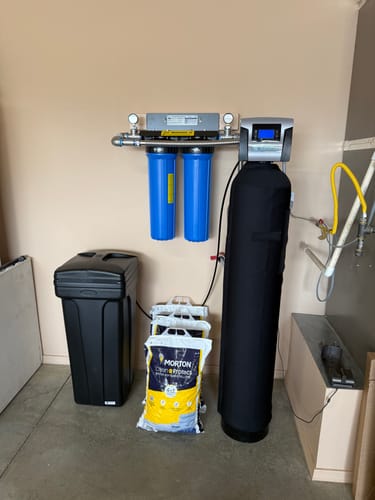
Even with quality media and the best intentions, several factors can cut your filter's life dramatically short.
High iron and manganese concentrations are the biggest culprits—they can shrink your media's lifespan from 10-15 years down to just 2-4 years. Chlorine exposure compounds the problem by degrading resin-based media from the inside out.
High iron, manganese, and chlorine don't just challenge your filter media—they quietly destroy it years ahead of schedule.
Heavy household water consumption accelerates wear faster than most homeowners expect, while poor installation practices—inadequate backwashing, improperly sized components—create clogging that exhausts media prematurely.
These aren't theoretical risks; they're the reasons we see filters fail years ahead of schedule.
Watch for the warning signs: rising iron levels in your water tests and increasingly frequent backwashing cycles. Both tell you your media's working harder than it should.
Warning Signs Your Iron Filter Media Needs Replacing Now
Your filter doesn't fail quietly—it sends distress signals you can't afford to ignore.
We've seen homeowners dismiss early warnings until small problems became expensive catastrophes. Don't make that mistake.
Watch for these critical red flags:
- Rusty stains on fixtures — iron's bypassing your media completely
- Persistent rotten egg smell — media failure's allowing sulfur compounds through
- Frequent pressure drops — permanent clogging that cleaning can't fix
- Maintenance costs nearing 50% of replacement value — you're throwing money away
- Elevated contaminant readings plus increased backwashing frequency — media exhaustion is imminent
Each signal compounds the next.
When you're backwashing more frequently and still seeing stains, your system's telling you something critical.
Trust the data, act decisively, and replace before failure becomes your only option.
How to Extend Iron Filter Media Life Between Replacements
Catching those warning signs early buys you something valuable—time to act proactively instead of reactively.
Here's how we squeeze every last year out of our filter media.
Backwash every 1-3 days. That single habit prevents mineral buildup and clogging, dramatically extending media life.
Pair that with quarterly water tests to monitor iron levels—declining performance shows up in the data before it shows up in your water quality.
Every 2-3 years, clean your injector with CLR to maintain media integrity.
Schedule professional inspections every 10-20 years to catch issues before they escalate.
Under normal conditions, plan for media replacement every 4-6 years.
However, adjust that window based on your specific iron concentrations and household usage. Higher iron loads demand closer attention.
When Iron Filter Media Repair Costs Justify Full Replacement
At some point, repairs stop making financial sense—and knowing that threshold saves you from throwing good money after bad.
Watch for these clear signals that replacement beats repair:
- Repair costs reach 50% of a new system's price ($800–$5,400 range)
- Annual maintenance expenses exceed $300–$500
- Multiple breakdowns occur within a short timeframe
- Water tests consistently show iron bypassing the media
- Performance keeps declining despite repeated fixes
When we see two or three of these signs converging, we're no longer maintaining a system—we're funding its slow death.
Each consecutive repair compounds inefficiency and accelerates deterioration. The financially smarter move is redirecting those dollars toward a new installation that actually performs.
Every repair you fund accelerates the system's decline—redirecting that money toward replacement is simply the smarter financial move.
Replacement isn't defeat; it's the strategic decision that protects both your water quality and your wallet.
Frequently Asked Questions
How Often Should I Replace Iron Filter Media?
We recommend replacing your iron filter media every 5–10 years under normal conditions. However, if your water's iron levels exceed 0.3 mg/L, you'll likely need replacement sooner—every 2–4 years.
How Much Does It Cost to Replace Iron Filter Media?
Replacing iron filter media typically costs $800–$5,400, depending on your system's complexity and media type. Factor in an additional $300–$500 for professional installation and assessment to guarantee you're budgeting accurately for the full replacement.
What Are Common Problems With Iron Filters?
We've seen rust stains, rotten egg smells, dropping water pressure, skyrocketing maintenance costs, and erratic backwashing cycles plague iron filters. These warning signs tell us the media's failing and it's time to act fast.
How Long Does a Whole House Iron Filter Last?
Most whole house iron filter media lasts 5–10 years, but we've seen high-iron environments cut that down to 2–4 years. Your media type, maintenance habits, and water chemistry ultimately determine where you'll land.






