


![SoftPro™ Chlorine+ Carbon Whole House Water Filter to Remove PFAS, Chlorine, Chloramine & Pesticides [City Water Filters Series]](http://www.softprowatersystems.com/cdn/shop/files/SoftPro_Whole_House_Carbon_Filter_with_Spin_Down_Water_Filter.webp?v=1783547361&width=140)


 855-683-8488


Troubleshooting All Iron Filter Leaks: Inlet, Outlet, Control Valve, and Bypass Connections

Iron filter leaks almost always trace back to worn O-rings, loose fittings, or damaged seals at the inlet, outlet, control valve, or bypass connections. We can fix most of these issues by tightening connections, replacing seals, or clearing mineral buildup. Catching problems early prevents minor drips from becoming costly repairs or full replacements. Stick with us, and we'll walk you through every leak point so you know exactly what to look for and how to fix it.
Key Takeaways
- Tighten loose inlet and outlet fittings first; if leaks persist, inspect and replace worn O-rings or damaged seals immediately.
- Control valve leaks often stem from worn seals, mineral buildup, or high water pressure stressing internal components and fittings.
- Bypass valve leaks allow untreated water into your supply; inspect regularly for worn O-rings, misalignment, and improper installation gaps.
- Chemical exposure and pressure fluctuations accelerate O-ring deterioration, causing brittleness and loss of elasticity that compromises watertight seals.
- If repair costs exceed 50% of replacement cost or leaks persist after repairs, replacing the entire unit is advisable.
Why Is Your Iron Filter Leaking at the Inlet or Outlet?

When your iron filter starts leaking at the inlet or outlet, loose connections are usually the first thing we'd check — a simple tightening of the fittings often solves the problem entirely.
But if that doesn't stop it, worn-out O-rings or seals are likely the culprit. Replacing them restores a watertight seal quickly and affordably.
Worn-out O-rings or seals are often the culprit — replacing them restores a watertight seal quickly and affordably.
Don't overlook the piping itself. Corrosion or physical damage can create leaks that no amount of tightening will fix — those sections need inspection and possible replacement.
We'd also examine whether the filter's properly aligned, since misalignment stresses connections and opens gaps over time.
The smartest move? Schedule regular maintenance checks. Catching deteriorating fittings and seals early prevents minor drips from becoming costly water damage.
What Causes Iron Filter Control Valve Leaks?
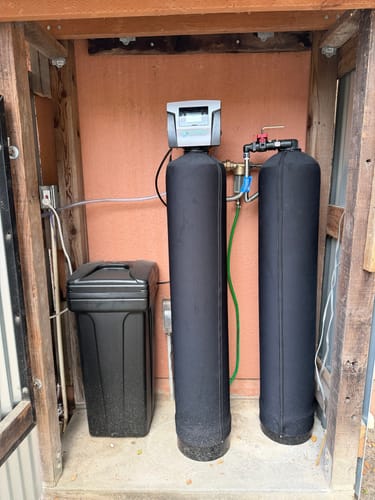
Inlet and outlet leaks aren't the only places your iron filter can spring a problem — the control valve is another common trouble spot. Several culprits drive these leaks, and knowing them helps you act fast.
Worn O-rings and seals are frequent offenders, quietly eroding the system's watertight integrity over time. Misalignment during installation prevents a proper seal from forming, so even a slightly off-kilter valve invites trouble.
High water pressure stresses fittings and connections beyond their design limits, accelerating failure. Mineral buildup and debris can cause components to stick or malfunction, so regular inspection pays dividends.
Finally, if the valve fails to close completely, you'll face continuous water flow and worsening leakage — a repair you don't want to delay.
Iron Filter Bypass Leaks and How to Stop Them
Bypass leaks are sneaky — they let untreated water slip past your iron filter entirely, quietly delivering iron and other contaminants straight to your household supply.
Usually, worn O-rings or seals at the bypass valve are the culprits. Watch for pooling water around the unit or inconsistent water quality — both are red flags demanding immediate attention.
Worn O-rings and failing seals don't announce themselves — pooling water and inconsistent quality are your only warning signs.
Here's how we stop them: inspect the bypass valve regularly for misalignments and worn seals, replacing compromised O-rings before small issues escalate.
Proper installation matters enormously — a poorly seated bypass valve creates gaps that untreated water exploits. We recommend building routine valve inspections into your maintenance schedule.
Catching wear early keeps your filtration system functioning as intended, protecting your household supply from the contaminants your iron filter was designed to eliminate.
Why O-Rings and Seals Cause Most Iron Filter Leaks
Behind most iron filter leaks, you'll find a failing O-ring or seal. These small rubber components form critical seals between your control valve and fittings, keeping untreated water exactly where it belongs. But rubber doesn't last forever.
Over time, O-rings become brittle and cracked through a combination of aging, pressure fluctuations, and constant chemical exposure from iron and other contaminants. Once that elasticity disappears, the seal fails—and leaks follow.
What makes this particularly costly isn't just the water loss. It's the gradual system inefficiency that develops before you even notice a visible leak.
We recommend inspecting O-rings regularly and replacing them at the first sign of wear. Proactive replacement is far cheaper than the damage a compromised seal eventually causes.
When to Repair vs. Replace Your Iron Filter
Deciding whether to repair or replace your iron filter comes down to a simple cost-benefit calculation—and knowing where to draw the line saves you from throwing good money after bad.
If your filter's over 10 years old and performance keeps declining, replacement often wins.
Watch for these clear signals: persistent leaks after repairs, a damaged control valve, or internal components that simply can't be restored.
Here's the rule we apply—if repair costs exceed 50% of a new unit's price, stop patching and start fresh.
The same logic applies when your filter still fails to remove iron adequately despite recent fixes.
Reliable water quality isn't negotiable, and sometimes the smartest, most cost-effective move is replacing the system entirely.
Frequently Asked Questions
What Are Some Common Bypass Valve Problems?
We've seen bypass valves fail due to worn O-rings, improper installation causing misalignment, pressure fluctuations, mineral deposit buildup causing sticking, and general wear on systems older than 10 years—all leading to leaks.
How to Reset a Water Softener Bypass Valve?
To reset your bypass valve, we'll turn it to the "service" position for treatment or "bypass" for maintenance. After adjusting, check for leaks around inlet and outlet connections to confirm it's properly sealed.
Why Are States Banning Water Softeners?
States are banning water softeners because they discharge excessive salt into waterways, raising salinity levels that harm aquatic ecosystems and compromise agricultural water supplies. We're seeing stricter regulations push homeowners toward eco-friendly alternatives like potassium-based systems and water conditioners.
What Happens When a Bypass Valve Is Stuck Closed?
When a bypass valve's stuck closed, we're looking at hard water flowing untreated through your home, pressure buildup risking leaks, and inconsistent water pressure—essentially, your entire iron filter system's rendered useless until it's fixed.






