


![SoftPro™ Chlorine+ Carbon Whole House Water Filter to Remove PFAS, Chlorine, Chloramine & Pesticides [City Water Filters Series]](http://www.softprowatersystems.com/cdn/shop/files/SoftPro_Whole_House_Carbon_Filter_with_Spin_Down_Water_Filter.webp?v=1783547361&width=140)


 855-683-8488


Understanding Iron Bacteria in Well Water: The Persistent Problem Most Homeowners Completely Overlook

Iron bacteria are naturally occurring microorganisms that feed on dissolved iron and manganese in your groundwater. They're sneaky — thriving in concentrations as low as 0.3 mg/L and producing slimy biofilms that clog pipes, stain fixtures, and silently destroy expensive well equipment. Most homeowners don't connect those reddish-brown stains or that metallic taste to a living organism. Understanding what you're actually dealing with changes everything about how you protect your well.
Key Takeaways
- Iron bacteria are naturally occurring microorganisms that feed on dissolved iron and manganese, thriving in groundwater concentrations as low as 0.3 mg/L.
- Warning signs include reddish-brown stains, metallic taste, gelatinous biofilm inside pipes, and iridescent sheens on water surfaces.
- Biofilms clog well screens, pumps, and plumbing fixtures, increasing strain on appliances and shortening their lifespan significantly.
- Treatment options include shock chlorination, physical cleaning of well components, and continuous prevention through in-line chlorination or UV disinfection.
- Preventative measures like sealing well caps, consistent pump operation, and oxidation filters help reduce iron bacteria contamination risks.
What Are Iron Bacteria and Why Do They Thrive in Well Water?

If you've ever noticed a slimy, reddish-brown buildup around your well or faucets, iron bacteria are likely the culprit. These naturally occurring microorganisms feed on dissolved iron and manganese in groundwater, thriving in concentrations as low as 0.3 mg/L — a surprisingly low threshold that makes most wells vulnerable.
They flourish in shallow groundwater rich in organic material, producing a biofilm that creates those telltale rusty deposits. While they're non-pathogenic, don't let that reassure you too quickly. Their presence signals deeper water quality concerns and creates conditions where genuinely harmful microorganisms can take hold.
Understanding what fuels their growth — stagnant water, poor well construction, and unsealed caps — puts you in a stronger position to prevent the cascading problems they inevitably cause.
Warning Signs Your Well Water Has an Iron Bacteria Problem
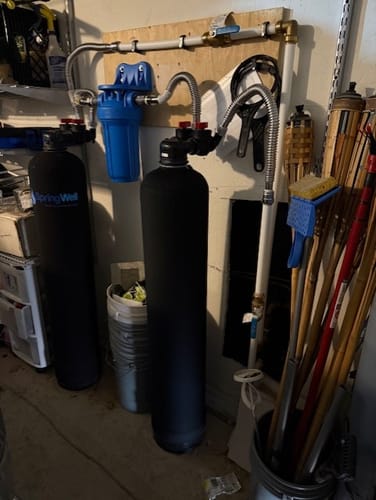
The warning signs are often hiding in plain sight — and knowing them early can save you from costly repairs and compromised water quality. Iron bacteria leave unmistakable clues throughout your system:
- Staining and taste issues — Reddish-brown stains on sinks, tubs, and laundry, combined with a metallic taste or odor, signal active contamination.
- Slimy biofilm deposits — Gelatinous, rust-colored buildup inside pipes and fixtures restricts water flow and indicates an established bacterial colony.
- Rainbow sheens and filter clogging — Iridescent sheens on water surfaces, swollen well components, and frequently clogged filters confirm iron bacteria activity.
Catching these signs early means we can act before bacteria compromise our plumbing, water pressure, and overall water quality beyond simple repair.
What Iron Bacteria Do to Your Well System Over Time
Once we've spotted those warning signs, it's worth understanding what happens if we ignore them — because iron bacteria don't stand still. They form thick, slimy biofilms that steadily clog well screens, pumps, and plumbing fixtures, choking water flow over time.
Those reddish-brown stains aren't cosmetic — they're evidence of active, ongoing damage.
Those stains aren't just ugly — they're your well system silently signaling that real damage is already underway.
As pressure drops, your appliances strain harder, accelerating wear and triggering costly repairs.
But here's what most homeowners miss: iron bacteria create conditions that invite other contaminants, compounding your water quality problems beyond just iron.
The financial toll compounds too. Untreated infestations shorten the lifespan of well components and appliances, driving up maintenance costs year after year.
Catching this early isn't optional — it's the difference between a simple treatment and a full system overhaul.
Testing and Treating Iron Bacteria in Your Well
Knowing what's at stake makes testing a no-brainer — and the good news is it's straightforward. Iron bacteria thrive at concentrations as low as 0.3 ppm, so we recommend testing regularly before problems escalate.
Once detected, here's your action plan:
- Shock chlorination — Introduce a concentrated chlorine solution to eliminate bacteria, then flush thoroughly to clear dislodged biofilm.
- Physical cleaning — For severe infestations, scrub well screens and casing to physically remove stubborn biofilm buildup.
- Continuous prevention — Install in-line chlorination systems or UV disinfection units to suppress future bacterial regrowth.
Treatment without ongoing maintenance is incomplete.
Regular water quality testing catches early warning signs, keeping iron bacteria from quietly reestablishing and protecting everything you've worked to restore.
Stopping Iron Bacteria From Returning to Your Well
Keeping iron bacteria out for good means addressing how they get back in — and that starts with your well's physical defenses. A tightly sealed cap and watertight casing extending at least one foot above ground blocks the most common reentry points.
From there, it's about maintenance — periodic inspections and biofilm removal keep conditions hostile to recolonization. Always use disinfected water during any repairs or drilling; organic matter is fundamentally an open invitation.
Run your pump consistently to prevent stagnation, which iron bacteria exploit in still water. Finally, oxidation filters and water softeners reduce dissolved iron levels, stripping away the very resource these bacteria depend on.
Stack these strategies together, and you're not just treating the problem — you're systematically eliminating what sustains it.
Frequently Asked Questions
What Kills Iron Bacteria in Well Water?
We'll kill iron bacteria with shock chlorination, physical scrubbing of biofilms, UV disinfection, and oxidation filtration systems. Combining these methods guarantees we're targeting bacteria at every stage, giving us the cleanest, safest well water possible.
How to Tell if You Have Iron Bacteria in Your Well Water?
We can spot iron bacteria through reddish-brown stains, slimy deposits on fixtures, metallic tastes, or swampy odors. For certainty, we'll want laboratory testing, since iron bacteria thrive at concentrations as low as 0.3 ppm.
Will Shocking a Well Get Rid of Iron Bacteria?
Shocking your well can effectively reduce iron bacteria, but it's not a permanent fix. We'll need to flush the system afterward and stay vigilant with ongoing monitoring to keep those stubborn bacteria from bouncing back.
Can Iron Bacteria in Well Water Make You Sick?
Iron bacteria won't directly make you sick, but they're a red flag we can't ignore—their presence often signals harmful nitrates or coliform bacteria lurking nearby, which absolutely can compromise your health.






