


![SoftPro™ Chlorine+ Carbon Whole House Water Filter to Remove PFAS, Chlorine, Chloramine & Pesticides [City Water Filters Series]](http://www.softprowatersystems.com/cdn/shop/files/SoftPro_Whole_House_Carbon_Filter_with_Spin_Down_Water_Filter.webp?v=1783547361&width=140)


 855-683-8488


Use This Free Iron Filter Savings Tool Before You Buy Anything

Before you spend a dime on an iron filtration system, run your water conditions through a free iron filter savings tool first. We've seen homeowners overpay by hundreds of dollars simply because they skipped this step. The tool takes your iron levels, pH, and household usage patterns and turns them into real cost comparisons across multiple systems. It eliminates the guesswork and reveals long-term maintenance costs most sellers won't tell you about. Stick around, and we'll show you exactly how to use your results.
Key Takeaways
- The Iron Filter Savings Tool eliminates guesswork by providing real cost comparisons based on your specific water conditions before purchasing any system.
- Accurate savings estimates require current water test data, including iron levels, pH, tannins, sulfur presence, and household usage patterns.
- Different iron types—ferrous, ferric, and bacterial—each require distinct filtration systems, affecting both upfront and long-term costs significantly.
- Total ownership costs extend beyond sticker price, including chemical restocking, filter replacements, and backwashing expenses for air over media systems.
- Mixed iron types require multi-stage treatment systems, making pre-purchase cost analysis essential to avoid expensive, ineffective single-filter solutions.
What Can the Iron Filter Savings Tool Tell You?

If you're tired of guessing which iron removal system will actually save you money, the Iron Filter Savings Tool takes the uncertainty out of that decision.
Stop guessing which iron removal system saves you money—the Iron Filter Savings Tool makes the decision clear.
We've designed it to give you real, actionable numbers based on your specific situation.
Here's what it tells you:
- Cost comparisons between different iron removal systems based on your water usage and iron concentration
- Long-term maintenance costs, including filter replacements and chemical treatments
- Efficiency differences between removal methods so you know exactly where your money goes
- Health and water quality improvements tied to each filtration option
You're not just getting estimates—you're getting a financial roadmap.
Input your local conditions, and the tool builds a tailored picture of your smartest investment.
What Water Test Data Does the Iron Filter Savings Tool Need?
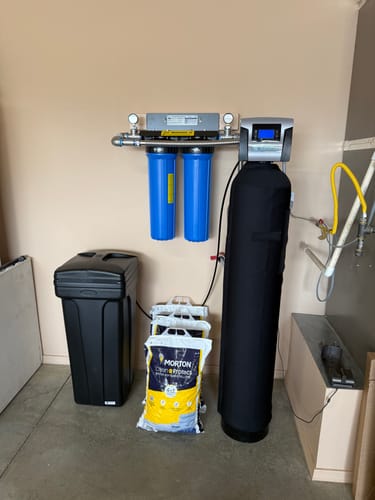
To get the most accurate savings estimates, the Iron Filter Savings Tool needs a few key pieces of water test data. First, you'll want your iron levels in ppm, including whether you're dealing with ferrous, ferric, or bacterial iron — each requires a different filtration approach.
Next, include your water's pH level, since it directly affects which removal methods work best. If tannins or sulfur are present, note those too, as they influence your filter selection.
Finally, factor in your household's water usage patterns, which help determine the right filter size and type. As your water quality changes over time, update your test data regularly to keep your savings estimates and filtration recommendations dialed in.
Which Iron Filter Method Fits Your Home's Iron Level?
Choosing the right iron filter starts with knowing exactly what's in your water. Iron comes in three forms—ferrous, ferric, and bacterial—and each demands a different solution. That distinction matters enormously when you're spending real money.
For minimal iron levels, a simple sediment filter handles the job. Water softeners manage ferrous iron up to 0.5 ppm, but push beyond that threshold and you'll need dedicated iron removal filters.
Elevated concentrations call for heavier artillery: air over media filters or ozone injection systems deliver superior results, though they carry higher upfront and maintenance costs.
Here's what we've learned: mismatching your filter to your iron type wastes money fast. Regular testing confirms your system stays effective—protecting both your water quality and your wallet long-term.
What the Tool Reveals About Long-Term Iron Filter Costs
What most homeowners don't realize until it's too late is that the sticker price of an iron filter tells only half the story. That cheap sediment filter? It'll cost you more when it fails to handle your iron load.
Those filter cartridges needing replacement every few months quietly drain your budget. Chemical injection systems demand contact tanks, extra filters, and constant chemical restocking.
Air over media systems backwash every three days—that's water and energy you're paying for. Even water softeners work harder with iron present, burning through salt faster than expected.
The tool exposes these hidden costs before you commit. We've seen homeowners save hundreds annually simply by comparing total ownership costs rather than purchase prices alone.
That's the clarity this tool delivers.
Turn Your Results Into the Right Iron Filter Purchase
Now that you've got your numbers, the real work begins—turning those results into a smart buying decision. Your iron type and concentration dictate everything.
| Iron Type | Recommended Solution |
|---|---|
| Ferrous (clear-water) | Water softener or dedicated iron filter |
| Ferric (red-water) | Sediment filter or oxidizing system |
| Bacterial iron | Shock chlorination plus filtration |
| Mixed iron types | Multi-stage treatment system |
Once you've matched your iron type to the right system, factor in cartridge replacement cycles—some filters need swapping every few months. That ongoing cost adds up fast. We've seen households overspend simply because they grabbed the wrong filter for their water profile. Test first, match your results to the solution, then buy with confidence.
Frequently Asked Questions
Is an Iron Filter Necessary?
It depends on your water! If you're seeing brown stains or rusty-colored water, you likely need one. We recommend testing first—it'll save you from buying equipment you don't actually need.
What Is the Purpose of the Iron Filter?
An iron filter's purpose is to remove excess iron from your well water, preventing ugly stains on fixtures, improving taste, and protecting your plumbing from costly corrosion and buildup over time.
How Often Should an Iron Filter Run?
Your iron filter should run every 1-3 days, depending on your iron levels and water usage. We recommend monitoring consumption closely—higher usage demands more frequent cycles to keep your water consistently clean and iron-free.
Will an Iron Filter Get Rid of Iron Bacteria?
An iron filter won't fully eliminate iron bacteria. They require specialized treatment, like chemical injection using chlorine or hydrogen peroxide, followed by carbon filtration to remove residual contaminants — a more targeted approach than standard iron filtration.






