


![SoftPro™ Chlorine+ Carbon Whole House Water Filter to Remove PFAS, Chlorine, Chloramine & Pesticides [City Water Filters Series]](http://www.softprowatersystems.com/cdn/shop/files/SoftPro_Whole_House_Carbon_Filter_with_Spin_Down_Water_Filter.webp?v=1783547361&width=140)


 855-683-8488


7 Warning Signs Your Iron Filter Needs More Frequent Backwashing Right Now

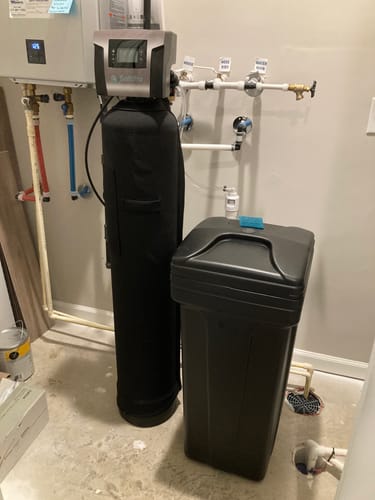
If your iron filter needs more frequent backwashing, it'll tell you through seven clear warning signs: rapid pressure drops, rust stains reappearing on fixtures, rusty or metallic-tasting water, strengthening rotten egg odors, poor performance after backwashing, iron levels testing above 0.3 ppm, and gurgling sounds during regeneration cycles. Each signal points to a specific problem that's already affecting your water quality. Stick with us, and we'll walk you through exactly what each warning sign means and what to do about it.
Key Takeaways
- A pressure drop of 10-15 psi signals clogged filter media from iron buildup, requiring immediate backwashing to restore normal flow.
- Rust stains reappearing on fixtures within days indicate iron breakthrough, confirming levels exceed the critical 0.3 ppm threshold.
- Rusty-tinted water or a metallic taste signals filter inefficiency, requiring immediate water testing to confirm iron levels above 0.3 ppm.
- A stronger rotten egg smell suggests sulfur bacteria colonization in filter media, producing hydrogen sulfide gas requiring urgent disinfection.
- Gurgling or sucking sounds during regeneration cycles indicate clogged injector assemblies or air injection system issues affecting iron removal efficiency.
Your Iron Filter Is Losing Water Pressure Fast

If your iron filter is losing water pressure fast, it's almost certainly telling you something important: the filter media is clogged and needs backwashing now.
Watch your pressure gauge closely — a drop of 10-15 psi is your clearest signal that iron buildup is restricting flow. Don't wait for it to worsen.
In high-iron environments, pressure can plummet surprisingly fast, sometimes within a day or two. That's why we recommend backwashing every 1-3 days if you're noticing rapid declines. Acting early prevents deeper clogging that's harder to reverse.
Here's the good news: backwashing directly restores pressure by flushing accumulated debris from the media.
Once cleared, you'll notice an immediate improvement in output flow — proof the system is working as it should.
Rust Stains Are Reappearing on Fixtures and Laundry
Pressure drops aren't the only thing worth watching — rust stains creeping back onto your fixtures and laundry are just as telling. When you're scrubbing away orange rings only to find them return within days, your filter's struggling to keep iron below 0.3 ppm. That's breakthrough, and it demands action.
Rust stains returning within days aren't a cleaning problem — they're your filter signaling iron breakthrough.
Yellowing or orange-tinted water appearing alongside those stains confirms iron's slipping past your media unchecked. We recommend increasing backwashing to every one to three days in high-iron conditions.
If stains persist even after tightening that schedule, your filter media may be exhausted — not just dirty. At that point, a thorough cleaning or full media replacement becomes necessary.
Don't treat recurring stains as a cosmetic nuisance; treat them as a precise diagnostic signal.
Your Water Has a Rusty Tint or Metallic Taste
Rusty-tinted water or a metallic taste coming from your tap is iron breakthrough in action — your filter media is exhausted and letting ferrous iron slip right through.
When you're seeing that telltale orange hue or tasting metal, your backwashing schedule needs immediate adjustment. Don't wait it out.
Here's what we recommend: test your water right away. Readings above 0.3 ppm confirm your filter isn't performing. That threshold matters because ferrous iron at those levels will bypass filtration entirely, compounding the problem over time.
Increasing your backwashing frequency at the first sign of these symptoms prevents minor inefficiency from escalating into costly repairs.
Think of rusty tints and metallic tastes as your filter's distress signal — one worth acting on immediately.
Rotten Egg Odors Are Getting Stronger Between Cycles
If you're noticing a stronger rotten egg smell between backwashing cycles, it's a clear signal that sulfur bacteria may be overwhelming your filter media.
We'll help you pinpoint the source of that odor, figure out how cycle frequency plays a role in keeping it under control, and walk you through immediate disinfection steps to stop the problem from getting worse.
Catching this warning sign early can save you from costly repairs and keep your water safe and fresh.
Identifying Sulfur Bacteria Sources
When rotten egg odors grow stronger between backwashing cycles, sulfur bacteria are likely colonizing your iron filter. These anaerobic microorganisms thrive in oxygen-depleted environments, converting sulfur compounds into hydrogen sulfide gas—that unmistakable foul smell signaling bacterial proliferation.
Here's what we need to understand: sulfur bacteria don't just create odors. They actively accelerate corrosion throughout your plumbing system, compounding long-term damage if we ignore the warning signs.
We recommend testing your water simultaneously for both hydrogen sulfide and iron levels. When both contaminants rise together, that's our clearest signal that bacterial colonies are establishing themselves aggressively within the filter media.
Increasing backwashing frequency disrupts anaerobic conditions, introducing oxygen that inhibits bacterial growth. Think of it as systematically eliminating the environment where sulfur bacteria can't survive.
Cycle Frequency and Odor
Rotten egg odors intensifying between backwashing cycles tell us something important: hydrogen sulfide is accumulating faster than our filter can clear it. When we notice this pattern, our current cycle frequency isn't keeping pace with sulfur bacteria activity.
Here's what we should watch for:
- Stronger odors signal hydrogen sulfide buildup requiring more frequent backwashing
- Persistent smells indicate filter efficiency is dropping, possibly needing cycles every 1-3 days
- Longer intervals between cycles directly worsen sulfur odor accumulation
- Intensifying odors suggest filter media exhaustion requiring immediate backwashing
- Monthly water tests reveal sulfur levels before odors become unmanageable
Recognizing these warning signs early lets us adjust our maintenance schedule proactively, protecting water quality before the problem compounds beyond simple backwashing solutions.
Immediate Disinfection Steps
Strengthening rotten egg odors between cycles demand immediate action—specifically, shock treatment with a bleach solution introduced directly into the filtration cycle. Let it sit for at least 30 minutes before flushing, giving the disinfectant enough contact time to neutralize hydrogen sulfide buildup effectively.
After treatment, we recommend confirming hydrogen sulfide's presence through water testing—this tells us whether we're adjusting our backwashing schedule appropriately, targeting every 1-3 days if necessary. Don't assume one shock treatment solves everything; monitor odor levels consistently.
If the smell persists despite repeated disinfection, we're likely dealing with exhausted filter media that's lost its contaminant-capturing capacity. At that point, replacement isn't optional—it's critical.
Persistent odors also warrant a professional inspection to rule out deeper systemic failures before they escalate.
Your Iron Filter Can't Hold Performance After Backwashing
Several red flags can tell us that an iron filter is losing its battle to maintain performance after backwashing.
Recognizing these signs early keeps our system running efficiently:
Catching warning signs early is the key to keeping our iron filtration system running at peak performance.
- Pressure doesn't normalize after backwashing, signaling exhausted filter media needing replacement every 3-5 years
- Backwashing frequency jumps to every 1-3 days, revealing clogging issues the media can't overcome
- Discolored or rusty water persists post-backwashing, confirming media saturation and filtration failure
- Backwashing cycles stay ineffective, suggesting a clogged injector assembly requiring inspection every 2-3 years
- Iron levels exceed 0.3 ppm after backwashing, proving the filter isn't capturing iron effectively
When we spot these warning signs, acting immediately prevents costly damage and protects our water quality long-term.
Your Water Tests Show Iron Above 0.3 Ppm
When your water tests come back showing iron above 0.3 ppm, it's a signal you can't afford to ignore—that threshold exists for good reason, as even slightly elevated levels cause rust stains, metallic taste, and visible orange discoloration.
We'll help you understand exactly what those numbers mean for your filter's performance and when you've crossed into territory that demands action.
Once you've got a clear read on your iron levels, we'll show you how to adjust your backwashing frequency—typically every 1-3 days at elevated concentrations—to keep your system running at its best.
Understanding Iron Ppm Thresholds
Iron is the culprit behind stained sinks, foul-tasting water, and clogged pipes—and once your water tests show levels above 0.3 ppm, your iron filter is telling you it needs more attention.
Here's what that threshold means for your system:
- 0.3 ppm is the critical trigger point for increasing backwash frequency
- Every 1-3 days may become your new backwashing schedule in high-iron zones
- Sudden spikes signal possible media exhaustion requiring immediate inspection
- Persistent elevated levels warrant professional evaluation before damage compounds
- Media replacement should be planned every 4-6 years based on ongoing water quality data
Staying ahead of these numbers keeps your system performing at its peak and protects your entire plumbing infrastructure.
Adjusting Backwashing Based On Results
Once your water tests confirm iron above 0.3 ppm, we need to shift our backwashing schedule to every 1-3 days—because at that concentration, your filter media saturates faster than a standard weekly cycle can handle.
Waiting longer invites iron breakthrough, and that's when you'll start seeing those telltale orange stains on fixtures and laundry.
Here's what makes this adjustment so powerful: you're not guessing—you're responding directly to data. Regular testing tells us exactly how aggressively we need to backwash, which keeps media functioning efficiently and extends its lifespan considerably.
Think of it as proactive management rather than damage control. Staying ahead of iron buildup protects your system from costly failures and keeps your water consistently clean.
Test, adjust, repeat—it's that straightforward.
Your Iron Filter Is Gurgling or Making Sucking Sounds
Gurgling or sucking sounds coming from your iron filter are two of the clearest warning signs that something's wrong with your air injection system. These noises typically signal:
- Air injection failures reducing iron removal efficiency
- Clogged injector assemblies preventing proper water draw
- Insufficient backwashing frequency allowing buildup to accumulate
- Saturated filtering media that's no longer performing effectively
- Impending system failure requiring immediate intervention
Don't ignore these sounds. Monitor them consistently during regeneration cycles, since early detection gives you the advantage of addressing problems before they escalate.
If gurgling persists, prioritize cleaning or replacing the injector assembly immediately. Staying proactive here means maintaining peak filtration performance and avoiding costly repairs down the line.
Frequently Asked Questions
How Often Should an Iron Filter Backwash?
We recommend backwashing your iron filter every 1-3 days in high-iron areas, or every 2-4 weeks under standard conditions. Monitor water clarity and pressure drops to determine if you'll need more frequent cycles.
Can Backwashing on Your Filter Too Much Cause Problems?
Yes, backwashing too much can cause real problems. We're talking worn filter media, lost beneficial bacteria, pressure drops, and wasted water — all of which compromise your system's filtration effectiveness and drive up maintenance costs.
What Are Common Problems With Iron Filters?
We've found that common iron filter problems include rusty water, rust stains on fixtures, sudden pressure drops, saturated media, and unusual tastes or odors—all signaling your filter needs immediate attention or more frequent backwashing.
What Are the Symptoms of Too Much Iron in Water?
We'll notice yellowish water, rust stains on fixtures, a metallic taste, and sudden pressure drops. These symptoms confirm iron's exceeding 0.3 ppm, signaling our filter needs immediate attention and more frequent backwashing.






