


![SoftPro™ Chlorine+ Carbon Whole House Water Filter to Remove PFAS, Chlorine, Chloramine & Pesticides [City Water Filters Series]](http://www.softprowatersystems.com/cdn/shop/files/SoftPro_Whole_House_Carbon_Filter_with_Spin_Down_Water_Filter.webp?v=1783547361&width=140)


 855-683-8488


Water Leak at Your Iron Filter Control Valve: What It Almost Always Means and How to Fix It

When your iron filter control valve starts leaking, it almost always points to worn O-rings, damaged seals in the spacer stack, or a cracked distributor tube. Mineral buildup and clogged passages can force water through gaps it was never meant to travel. The good news? Most fixes are straightforward once you know what you're looking for. Stick with us and we'll walk you through exactly what's failing, how to fix it, and how to keep it from happening again.
Key Takeaways
- Worn seals or O-rings in the control valve are the most common cause of iron filter leaks and require immediate replacement.
- Cracked distributor tubes cause rapid leaking by mixing water with filter media, demanding urgent inspection and repair.
- Mineral buildup or clogged greensand forces water through unintended gaps, creating persistent leaks in the control valve.
- Replacing faulty O-rings and coating them with silicone grease during reassembly effectively restores a proper watertight seal.
- Ongoing leaks after seal replacement, grinding noises, or rust-colored water signal deeper damage requiring professional repair.
Why Your Iron Filter Control Valve Is Leaking

A leaking iron filter control valve can stem from several culprits, and pinning down the right one saves you time, money, and frustration.
We've seen worn-down seals inside the spacer stacks cause continuous dripping — a quiet problem that worsens fast without replacement. Cracked distributor tubes are another common offender, allowing media to mix and leaks to appear almost immediately.
Don't overlook clogged air inlet venturis either; when they can't draw air properly, the entire valve operation starts misbehaving.
Clogged air inlet venturis quietly disrupt everything — don't let a small blockage spiral into full valve failure.
Sometimes, spotting grains or debris escaping during backwash cycles tells us sediment has compromised the valve's integrity. Each symptom points somewhere specific, and that's actually good news — it means smarter, faster repairs rather than guesswork.
The Most Common Causes of Iron Filter Control Valve Leaks
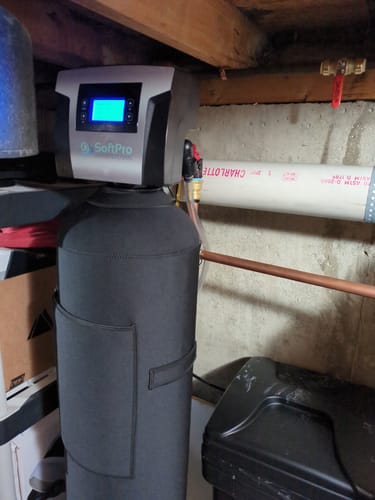
When we dig into what's actually causing that leak, a handful of issues keep showing up again and again.
Most of the time, it's not mysterious—it's one of these culprits:
- Worn seals in the spacer stacks – Over time, these seals degrade and can no longer hold pressure, allowing water to escape continuously.
- A cracked distributor tube – When this tube fractures, water and media mix where they shouldn't, and leaking follows quickly.
- Mineral intrusion or greensand inside the valve – These blockages disrupt flow paths and force water out through gaps it wouldn't normally reach.
Understanding which of these you're dealing with changes everything about how you approach the fix—so let's get specific.
How to Inspect and Replace O-Rings in an Iron Filter Control Valve
O-rings are small, but don't let their size fool you—they're doing serious work inside that control valve, and the moment one fails, you've got a leak on your hands.
Start by inspecting the four O-rings at the meter-to-control-valve junction. Check that each one sits correctly in its groove and shows no cracking or deformation.
| What to Check | What to Do |
|---|---|
| O-ring seating | Confirm proper groove placement |
| Wear or damage | Replace immediately if found |
| Bypass valve and yoke | Verify O-rings are secure |
Before reassembly, coat every O-ring with silicone grease—it guarantees a tight seal and prevents future leaks. Make this inspection a regular habit, and you'll dramatically extend your control valve's lifespan.
Signs Your Iron Filter Control Valve Needs Professional Repair
Sometimes, even after we've inspected every O-ring and reseated each one with fresh silicone grease, the valve keeps giving us trouble—and that's when the problem runs deeper than a DIY fix can reach. Certain symptoms tell us a professional needs to take over before the system degrades further.
Watch for these red flags:
- Rust-colored water persisting after maintenance, signaling internal valve corrosion requiring expert evaluation
- Grinding or clunking during regeneration cycles, typically indicating internal mechanical damage beyond surface-level repair
- Continuous leakage despite fresh seals, pointing toward cracked valve components or mineral-clogged passageways
If manual regeneration won't initiate or greensand keeps appearing in your output water, don't hesitate—call a technician. Delaying professional intervention almost always transforms a manageable repair into a costly full replacement.
Monthly Maintenance Steps That Prevent Control Valve Leaks
Since most control valve leaks don't appear overnight, a consistent monthly maintenance routine is our best defense against the slow-moving damage that eventually forces a costly repair or replacement. Each month, we inspect the valve and surrounding components for early corrosion—catching degradation before it becomes a leak.
We also lubricate O-rings with silicone grease to maintain their seal integrity and replace worn O-rings and seals before they fail. Every one to three months, we clean sediment filters to prevent buildup that strains the valve.
We also check salt levels bi-weekly, keeping regeneration cycles efficient and preventing overflow situations that stress valve connections. These small, deliberate habits compound over time, quietly extending your system's life while keeping expensive repairs off the table.
Frequently Asked Questions
How Do I Stop My Filter From Leaking?
We'll stop your filter from leaking by inspecting O-rings, lubricating them with silicone grease, checking for cracked distributor tubes, tightening drive end cap connections properly, and maintaining your bypass valve's seals to guarantee everything stays watertight.
How Much Does It Cost to Fix a Water Filtration System?
We're looking at $150–$600 for professional repairs, but DIY fixes—like replacing O-rings or seals—often cost under $50. Catching leaks early's key; it prevents minor issues from snowballing into expensive, complex repairs.
How to Fix Water Filter Leakage?
We'll fix water filter leakage by inspecting and replacing worn O-rings, tightening loose connections, cleaning injector components, clearing drain line blockages, and applying silicone grease to seals—each step targeting the most common culprits behind persistent leaks.
Why Does My Iron Filter Keep Draining?
Your iron filter's likely draining continuously because of worn seals, clogged air inlet venturi, mineral intrusion, or improperly seated spacer stacks. We'll need to inspect the control valve immediately to pinpoint the exact culprit.






