


![SoftPro™ Chlorine+ Carbon Whole House Water Filter to Remove PFAS, Chlorine, Chloramine & Pesticides [City Water Filters Series]](http://www.softprowatersystems.com/cdn/shop/files/SoftPro_Whole_House_Carbon_Filter_with_Spin_Down_Water_Filter.webp?v=1783547361&width=140)


 855-683-8488


What Plumbers Won't Tell You About Iron Damage (And What It Costs)

Cast iron pipes corrode silently from the inside out — and most plumbers won't tell you that by the time you notice something's wrong, you're already looking at repairs costing $8,000 to $15,000 or more. Moisture stains, foul odors, and discolored water aren't minor nuisances; they're warnings of a system nearing collapse. South Florida homes built before the 1970s face the highest risk. Stick with us, and we'll show you exactly what's at stake — and how to protect yourself.
Key Takeaways
- Cast iron pipes can fail suddenly without warning signs, leaving homeowners facing repair bills exceeding $15,000 before they realize there's a problem.
- Plumbers may fix symptoms like slow drains repeatedly without disclosing that full pipe replacement is the only permanent solution.
- Hidden leaks inside walls cause mold growth costing $1,000–$3,000 to remediate, damage plumbers rarely connect to aging cast iron systems.
- Insurance companies frequently deny cast iron failure claims, leaving homeowners financially responsible for foundation and structural repairs exceeding $5,000.
- Homes built before the 1970s may qualify for legal claims against manufacturers or installers of defective cast iron plumbing systems.
Why Cast Iron Pipes Fail Faster Than You're Being Told

When cast iron pipes were installed in homes built before the 1970s, they were expected to last a lifetime — and for a while, they did.
But something's changed. The combination of moisture, chemical exposure from wastewater, and high water acidity is accelerating corrosion far beyond what anyone predicted.
Corrosion isn't just happening — it's accelerating, driven by moisture, chemicals, and water acidity few saw coming.
Add tree root intrusion from mature neighborhood trees, and you've got blockages and leaks compromising pipe integrity from the outside in.
If you're in South Florida, the situation's even more urgent — temperature fluctuations and shifting soil create misalignment risks that speed up failure dramatically.
What nobody's saying out loud is that these pipes aren't quietly aging. They're approaching a breaking point, and most homeowners won't know it until the damage is already catastrophic.
The Hidden Signs of Cast Iron Pipe Damage Inside Your Walls
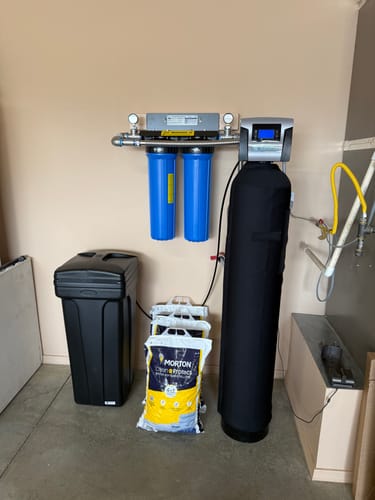
So now that we recognize what's driving these pipes toward failure, let's talk about what that failure actually looks like — because it rarely announces itself with a burst pipe or a flooded floor.
Instead, it whispers. Here's what to watch for:
| Sign | What It Means | Where It Appears |
|---|---|---|
| Moisture stains | Active corrosion leaks | Walls, ceilings |
| Foul odors | Sewage backup or decay | Enclosed wall cavities |
| Discolored water | Rust leaching into supply | Faucets, fixtures |
Beyond these, rising humidity and mold clusters in specific rooms often trace back to hidden pipe failures. Even pest activity — termites gravitating toward damp framing — signals moisture problems your pipes are quietly creating.
What Untreated Cast Iron Pipe Damage Actually Costs
Those whispers we just described? They're quietly draining your bank account. Untreated cast iron pipe damage doesn't stay cheap — it compounds fast.
Here's what you're actually looking at:
- Slab leak repairs: $5,000+, often gutting your foundation
- Mold remediation: $1,000–$3,000 when leaks create moisture damage
- Full pipe replacement: $8,000–$15,000 depending on damage severity
- Repeated service calls: Escalating charges from recurring backups and slow drains
Here's the part that stings most — your homeowner's insurance likely won't cover it. Claims tied to cast iron failures are routinely denied or underpaid, leaving you absorbing costs that multiply without warning.
Early intervention isn't just smart maintenance. It's financial self-defense.
How to Inspect, Document, and Act Before Damage Spreads
Knowing what damage costs is one thing — knowing how to catch it before it spirals is another. Start by inspecting your cast iron pipes regularly, paying close attention to joints where leaks love to hide. Rust, corrosion, slow drains, foul odors, water stains — these aren't minor nuisances. They're warnings.
When you spot trouble, document everything immediately. Photograph damaged areas, write detailed descriptions, and keep that evidence organized. It's not just good practice — it's your leverage if insurance claims or contractor disputes arise later.
Also, maintain a complete history of every inspection, repair, and maintenance visit. That paper trail matters more than most homeowners realize.
Most importantly, act fast. Delayed action transforms manageable repairs into mold infestations and structural failures — problems that cost exponentially more to fix.
Who Can Sue for Cast Iron Pipe Damage: and What You Can Recover
When cast iron pipes fail and take your property down with them, who actually has the right to fight back — and what can they realistically recover?
If your property was built before the 1970s, you're likely eligible. Here's what strengthens your position:
- Documented repair costs and property damage from pipe deterioration
- Denied or undervalued insurance claims, which open bad faith litigation
- Product liability suits against manufacturers of defective materials
- Negligence claims against contractors who installed pipes incorrectly
We've seen homeowners recover repair costs, property damage compensation, and legal fees — especially when documentation is thorough.
Insurers bet you won't push back. Manufacturers count on you not knowing your rights. An experienced attorney changes that equation fast, identifying liability and building a case that actually holds.
Frequently Asked Questions
Will Homeowners Insurance Cover Cast Iron Pipes?
We've found that homeowners insurance sometimes covers cast iron pipes, but insurers often label deterioration as "wear and tear" to deny claims. Review your policy carefully—coverage varies dramatically, and denied claims can cost you thousands.
How to Tell if Your Plumber Is Overcharging You?
We've all felt that gut punch when a bill seems off. Compare at least three quotes, verify hourly rates ($45–$200), demand itemized breakdowns, and flag emergency premiums exceeding 50%—those are your clearest overcharging red flags.
Can You Sell a House With Cast Iron Pipes?
Yes, you can sell a house with cast iron pipes, but expect buyers to push for price reductions. We've seen smoother sales when sellers address plumbing issues beforehand, boosting buyer confidence and property value considerably.
What Is the Cast Iron Pipe Lawsuit?
We're talking about legal claims homeowners file when cast iron pipes fail prematurely. These lawsuits target manufacturers for defective materials, contractors for negligent installation, and insurers wrongfully denying legitimate repair claims as mere "wear and tear."






