


![SoftPro™ Chlorine+ Carbon Whole House Water Filter to Remove PFAS, Chlorine, Chloramine & Pesticides [City Water Filters Series]](http://www.softprowatersystems.com/cdn/shop/files/SoftPro_Whole_House_Carbon_Filter_with_Spin_Down_Water_Filter.webp?v=1783547361&width=140)


 855-683-8488


What to Look for in an Iron Water Test Report Before Buying a Filter: Key Questions and Red Flags

When reviewing an iron water test report, don't just focus on the concentration number. A result above 0.3 mg/L signals potential staining and plumbing issues, but the number alone won't tell you which filter to buy. You also need to know whether you're dealing with ferrous, ferric, or bacterial iron, plus your pH levels and companion contaminants like manganese. The right questions and red flags can completely change your treatment approach.
Key Takeaways
- A reliable iron test report should differentiate between ferrous, ferric, and bacterial iron, not just list a vague "total iron" figure.
- Concentration levels above 0.3 mg/L signal staining and taste issues; levels above 7 ppm demand specialized treatment approaches.
- pH levels must appear in the report, as acidic water directly affects ferrous iron solubility and complicates filtration choices.
- Watch for companion contaminants like manganese and hydrogen sulfide, which often accompany iron and require multi-stage filtration systems.
- Reject reports from uncertified labs or DIY strips, as these commonly miss heavy metals, bacteria, and other critical contaminants.
What Do Iron Concentration Numbers Actually Mean?

When you get your water test results back, those numbers can feel meaningless without context. Here's what they actually tell you: anything above 0.3 mg/L signals potential staining, taste problems, and plumbing buildup. That's a surprisingly low threshold.
But the concentration number alone doesn't give you the full picture. At levels above 7 ppm, standard filters won't cut it—you'll need specialized filtration or chemical treatment. That's a critical distinction most people miss before purchasing.
Here's what makes iron testing genuinely complex: the type of iron matters just as much as the amount.
Ferrous iron is invisible until it oxidizes, while ferric iron is visibly present and filterable. Your test report should identify both. Without that breakdown, you're making a costly guess.
Does the Report Identify Which Type of Iron You Have?
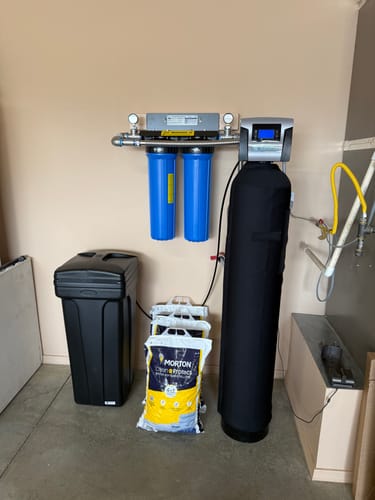
How your report answers this question determines everything about your next step. Iron isn't monolithic—its form dictates your entire treatment strategy.
Here's what a credible report distinguishes:
- Ferrous (clear-water) iron – dissolved, invisible, requires oxidation or softening systems
- Ferric (red-water) iron – particulate, visible, removable through mechanical filtration
- Bacterial iron – biological, slimy, demands complex filtration and disinfection protocols
Each type demands a completely different solution. If we treat ferrous iron like ferric iron, we've wasted money on an ineffective filter.
When a report lumps everything under "total iron" without specifying type, that's a serious red flag. It suggests the analysis lacks the precision needed to guide accurate treatment decisions—and that means we're buying filters blind.
What Else Should Your Iron Water Test Be Checking?
Iron type isn't the only thing a solid test report needs to nail down. A truly thorough test digs deeper—and what it uncovers can completely change your treatment approach.
Identifying iron type is just the beginning—a truly thorough water test can completely reshape your treatment approach.
Here's what we recommend looking for beyond iron type:
- pH levels – Acidic water increases ferrous iron's solubility, which directly impacts which filtration method will actually work for you.
- Manganese and hydrogen sulfide – These contaminants frequently travel alongside iron and can sabotage treatment systems not designed to handle them.
- Iron bacteria – These microorganisms amplify taste, odor, and fouling problems in ways standard iron filters won't resolve.
If your report skips any of these, you're working with an incomplete picture—and that's how people end up buying filters that underperform.
What Makes an Iron Test Report Unreliable?
Not all iron test reports are created equal—and trusting the wrong one can send you down a costly treatment path that solves nothing.
Before acting on any report, watch for these red flags:
- Misleading visual tests — Red dye methods and water electrolyzers damage samples and distort results, telling you nothing meaningful about actual contamination.
- Incomplete DIY strips — These assess only a narrow parameter range, routinely missing heavy metals and microorganisms that matter most.
- Unverified certification claims — "Tested to NSF standards" doesn't mean certified. That distinction is everything when evaluating safety and effectiveness.
Here's what we understand: clear water hides dangerous contaminants constantly.
A reliable report requires certified lab methodology—not shortcuts that leave you guessing and overspending.
How Do You Match Your Iron Test Results to the Right Filter?
Once you've got a reliable test report in hand, the real work begins—matching what's in that report to a filter that actually solves your specific problem.
First, identify your iron type—ferrous, ferric, or bacterial—because each demands a different treatment strategy. Ferrous iron needs oxidation before filtration; ferric iron works with mechanical filters.
Not all iron is the same—ferrous, ferric, and bacterial each demand a completely different treatment approach.
Next, check your concentration levels. Anything above 0.3 mg/L requires serious attention.
Then examine your pH—acidic water below 6.5 elevates dissolved iron, complicating your options considerably.
Don't overlook companion contaminants like manganese or hydrogen sulfide, which often require multi-stage systems.
Finally, consult a water treatment specialist who can align your household's demand with a system that handles your specific iron profile without risking breakthrough contamination.
Frequently Asked Questions
How to Check Iron Filter System for Clogging?
We'll check for clogging by inspecting flow rate drops, monitoring pressure gauge increases, watching for rust-stained water, and visually examining filter media for iron saturation—catching issues early keeps your system running at peak performance.
Can I Shower in High Iron Water?
Yes, you can shower in high iron water—it's generally safe for skin contact. However, we'd watch for rust stains, unpleasant odors, and potential irritation if you've got sensitive skin.
What to Look for When Buying a Water Filter System?
When buying a water filter system, we recommend checking for NSF/WQA certification, multi-stage filtration, and compatibility with your iron type. Verify it handles your contamination levels and meets your household's daily flow demands.
What's the Ideal Iron Level in Drinking Water?
We recommend keeping iron levels at or below 0.3 mg/L—the EPA's standard. Anything higher risks metallic-tasting water, rust stains, and plumbing damage, signaling you'll need a targeted filtration solution fast.






