


![SoftPro™ Chlorine+ Carbon Whole House Water Filter to Remove PFAS, Chlorine, Chloramine & Pesticides [City Water Filters Series]](http://www.softprowatersystems.com/cdn/shop/files/SoftPro_Whole_House_Carbon_Filter_with_Spin_Down_Water_Filter.webp?v=1783547361&width=140)


 855-683-8488


When Do Iron Levels in Drinking Water Actually Become a Genuine Health Concern?

Iron in drinking water becomes a health concern sooner than most of us realize. The EPA sets an aesthetic threshold at 0.3 PPM, but problems can actually start at just 0.05 PPM. We're talking metallic taste, rust stains, and bacterial growth that triggers digestive issues. Long-term exposure even risks hemochromatosis, damaging your liver, heart, and pancreas. Vulnerable groups face even greater dangers. Keep going, and we'll break down exactly what you need to watch for.
Key Takeaways
- Iron levels above 0.3 mg/L exceed the EPA aesthetic threshold, where health risks begin emerging beyond simple taste and staining issues.
- Even at 0.05 PPM, iron can cause metallic taste, rust stains, skin irritation, and early digestive discomfort.
- Elevated iron promotes harmful bacterial growth in the gut, increasing risk of gastrointestinal distress and infection.
- Prolonged consumption of iron-heavy water can cause hemochromatosis, seriously damaging the liver, heart, and pancreas.
- Children, pregnant women, and those with genetic predispositions face heightened health risks at lower iron concentration levels.
What Makes Iron in Drinking Water a Health Risk?

While iron is an essential mineral our bodies need to function, too much of it in our drinking water can quickly become a problem.
Once concentrations exceed 0.3 mg/L, we're looking at more than just a metallic taste or rust-stained laundry — we're dealing with genuine health risks. High iron levels create an environment where harmful bacteria thrive, increasing the likelihood of gastrointestinal distress.
When iron levels surpass 0.3 mg/L, the real danger isn't stained laundry — it's the bacteria thriving in your water.
Prolonged exposure raises the risk of hemochromatosis, a condition that can silently damage the liver, heart, and pancreas over time. What makes this particularly concerning is that not everyone faces equal risk.
Those with genetic predispositions, children, and pregnant women are considerably more vulnerable, meaning the stakes for understanding iron levels in your water couldn't be higher.
How Much Iron in Drinking Water Is Actually Too Much?
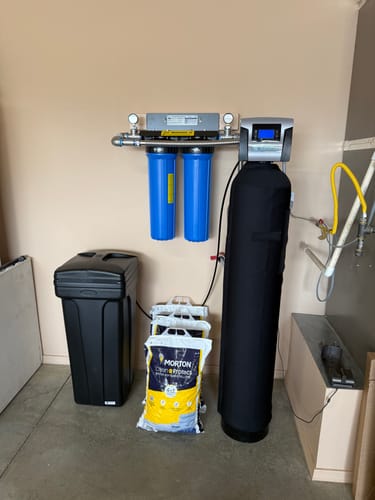
When does iron in drinking water cross the line from a minor nuisance to a genuine concern? The EPA sets the aesthetic threshold at 0.3 PPM — but here's what's striking: problems can emerge at just 0.05 PPM. At that level, you're already dealing with metallic-tasting water and rust-colored stains on fixtures and laundry.
Beyond aesthetics, the health implications deserve serious attention. While iron isn't immediately toxic at these concentrations, prolonged exposure can trigger skin irritation and digestive discomfort.
More critically, long-term consumption raises the risk of hemochromatosis — a condition where iron accumulates in the liver, heart, and pancreas, quietly damaging organ function. The unsettling truth? These effects often go unnoticed until levels become dangerously elevated, making regular monitoring absolutely essential.
What Symptoms Can High Iron Levels in Drinking Water Cause?
Knowing the thresholds is one thing — understanding what those numbers actually feel like in your body is another. High iron exposure isn't always dramatic, but the signs are real and worth recognizing:
- Discolored water — rusty, reddish-brown tap water signals contamination you're likely already ingesting
- Metallic taste — affects everything you drink or cook, quietly degrading your daily nutrition
- Skin irritation — dryness and sensitivity emerge, especially in those already prone to skin conditions
- Digestive discomfort — iron-fueled bacterial growth disrupts gut health in ways we often misattribute
Long-term, we're looking at something far more serious: hemochromatosis, where iron accumulates and damages the liver and pancreas.
These symptoms don't appear overnight, but ignoring them compounds the risk considerably.
How Do You Test Your Drinking Water for High Iron Levels?
| Test Factor | Why It Matters | Threshold |
|---|---|---|
| Iron Concentration | Primary contaminant indicator | 0.3 mg/L (EPA) |
| pH Level | Affects iron solubility | 6.5–8.5 ideal |
| Water Hardness | Compounds mineral issues | Varies by region |
| Discoloration | Aesthetic quality signal | Visible presence |
| Metallic Taste | Sensory contamination marker | Any detection |
Private well users should test every five years minimum. Testing iron alongside pH and hardness gives us the complete picture we need.
What Treatments Actually Remove Iron From Drinking Water?
Once we've confirmed high iron levels in our water, the next step is tackling the problem directly—and we've several effective treatment options to evaluate.
Each solution targets iron differently, so matching the right system to our specific contamination profile matters:
- Water softeners exchange ferrous iron with sodium, though sediment filtration may still be necessary.
- Oxidizing filter systems convert dissolved iron into solid particles, making filtration straightforward.
- Reverse osmosis forces water through a semipermeable membrane, blocking iron and additional contaminants simultaneously.
- Combination systems address multiple contaminants like iron and manganese together, maximizing overall water quality.
For immediate drinking water relief, pitcher-style filters offer a low-cost entry point while we evaluate longer-term solutions.
Understanding our water's full contamination picture drives smarter treatment decisions.
Frequently Asked Questions
Is Drinking Water With Iron in It Bad for You?
Iron in drinking water isn't inherently bad—we actually need it! But when levels exceed 0.3 mg/L, we risk digestive discomfort, bacterial growth, and long-term organ damage from conditions like hemochromatosis.
What Is a Safe Iron Level in Drinking Water?
We recommend keeping iron levels at or below 0.3 mg/L—that's the EPA's threshold. Even at 0.05 mg/L, you'll notice taste changes, so testing your water regularly is essential.
What Can Falsely Elevate Iron Levels?
Several factors can falsely elevate iron levels: corroded pipe rust, iron bacteria biofilms, post-storm soil runoff, organic material interference, and manganese misidentification during testing. We've got to account for these variables before drawing any health conclusions.
How to Tell if You Have Too Much Iron in Your Water?
We'll know our water has too much iron if we notice rusty discoloration, metallic taste, reddish stains on fixtures, slimy buildup in pipes, or darkened vegetables — all signaling levels exceeding 0.3 mg/L.






