


![SoftPro™ Chlorine+ Carbon Whole House Water Filter to Remove PFAS, Chlorine, Chloramine & Pesticides [City Water Filters Series]](http://www.softprowatersystems.com/cdn/shop/files/SoftPro_Whole_House_Carbon_Filter_with_Spin_Down_Water_Filter.webp?v=1783547361&width=140)


 855-683-8488


When Should You Test Your Well Water for Iron Contamination? The Key Signs and Recommended Schedules

We recommend testing your well water for iron at least once a year, ideally each spring. But don't wait if you're noticing metallic tastes, rust-colored stains on sinks, or yellowing teeth—those are red flags demanding immediate action. Certain events like flooding, nearby construction, or recent well repairs also call for urgent testing. The EPA's threshold sits at just 0.3 mg/L, and knowing exactly what to watch for makes all the difference.
Key Takeaways
- Test your well water annually, with spring being the ideal time to establish a baseline for iron contamination levels.
- Immediate testing is necessary if you notice metallic tastes, rust-colored stains, or changes in water odor or appearance.
- Events like flooding, nearby construction, or severe storms require urgent well water testing for iron contamination.
- Homes with newborns or immunocompromised individuals should conduct additional testing beyond the standard recommended schedule.
- After well system repairs or treatment installations, post-maintenance testing ensures iron levels remain within safe EPA thresholds.
Warning Signs Your Well Water Has Too Much Iron

There are 4 telltale warning signs that your well water contains too much iron, and knowing them can save you from health risks and costly repairs down the line.
First, if your water tastes metallic, that's iron talking.
That unmistakable metallic taste lingering in your water? Iron is likely the culprit behind every sip.
Second, watch for rust-like red, yellow, or brown stains on sinks, tubs, and laundry — they're hard to miss and harder to ignore.
Third, yellowing teeth can signal you're consuming iron-heavy water regularly.
Fourth, clogged pipes and underperforming appliances often point to iron buildup quietly wreaking havoc on your plumbing system.
The EPA sets the threshold at 0.3 mg/L, and surpassing that level triggers both aesthetic and practical problems.
Spot any of these signs? It's time to test.
What an Iron Water Test Actually Measures
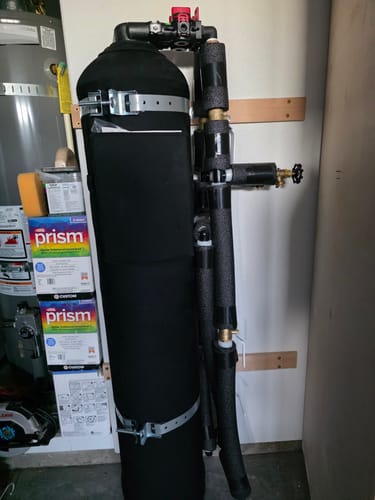
When we test well water for iron, we're not just checking for one thing — we're measuring multiple forms of iron that behave very differently. Ferrous iron stays dissolved and invisible, while ferric iron precipitates and creates those familiar rust-colored stains. A proper test distinguishes between both.
Beyond iron types, we're also watching for iron bacteria — organisms that signal deeper water quality problems affecting both health and plumbing integrity.
Smart testing goes further still, capturing total dissolved solids and pH levels, giving us a complete picture rather than a narrow snapshot.
The EPA's threshold is 0.3 mg/L — anything above that warrants action. Accurate lab analysis guarantees we're not guessing; we're making precise, informed decisions about which treatment solutions actually fit our situation.
How Often Should You Test Well Water for Iron?
Annual testing is the baseline we should commit to — ideally each spring, after winter runoff has had its chance to introduce new contaminants into our water supply.
But annual testing isn't always enough.
We should test immediately when we notice metallic tastes, rust-colored stains, or any shift in water quality.
Beyond that, certain events demand urgent testing: nearby construction, oil and gas drilling operations, flooding, or significant storms can all compromise well integrity and spike iron levels fast.
Don't overlook post-maintenance testing either.
After any repairs to our well system, we need confirmation that water quality remains safe.
Think of it this way — testing isn't just reactive.
It's how we stay ahead of problems before they become expensive, health-threatening realities.
Events That Should Trigger an Immediate Iron Test
Some events don't wait for our annual testing schedule — they demand we act immediately. Certain situations compromise well integrity fast, and delayed testing puts everyone at risk.
Test your well water for iron right away when:
- Flooding or severe storms occur — these events can overwhelm well casings, introducing contaminants instantly.
- Nearby construction begins — ground disturbances shift soil composition and increase iron infiltration risks dramatically.
- Water changes in taste, odor, or appearance — metallic flavors, discoloration, or staining on fixtures signal contamination we can't ignore.
Additionally, if we're welcoming a newborn or housing someone immunocompromised, we test before they arrive — elevated iron levels create compounded health risks for vulnerable individuals.
Proactive testing here isn't optional; it's essential protection.
What to Do After Testing Your Well Water for Iron
Once the results come back, we have four clear actions to guide us forward — and taking the right steps quickly makes all the difference.
| Finding | Recommended Action |
|---|---|
| Iron exceeds 0.3 mg/L | Install whole-house or point-of-use filtration |
| Iron bacteria detected | Consult a certified water treatment professional |
| Treatment system installed | Retest regularly to confirm effectiveness |
| Contamination thresholds reached | Inspect plumbing for iron buildup and deterioration |
Beyond acting on what we find, we should document everything — test results, treatment changes, and retest outcomes. These records protect us during future assessments and become valuable disclosures when selling our home. Think of documentation as our long-term insurance policy against recurring contamination problems.
Frequently Asked Questions
How to Tell if Well Water Is High in Iron?
We'll spot high iron in well water through metallic-tasting water, rust-stained sinks, yellow-brown laundry stains, and clogged pipes. If iron exceeds 0.3 mg/L, we've got a contamination problem worth addressing immediately.
How to Test Well Water for Iron Bacteria?
To test well water for iron bacteria, we recommend sending samples to a certified lab for accurate results. While home kits offer quick preliminary checks, labs detect organic iron that complicates water quality assessments more reliably.
What Kills Iron Bacteria in Well Water?
We can kill iron bacteria using shock chlorination, oxidizing agents like hydrogen peroxide or potassium permanganate, and acid treatments. Regular disinfection after repairs and consistent water testing guarantee we're preventing recontamination and maintaining safe, clean well water.
Can I Shower in High Iron Water?
You can shower in high iron water, but it's not ideal. It won't harm you, yet it can stain your skin and hair, leave residue, and make hair feel dry or brittle over time.






