


![SoftPro™ Chlorine+ Carbon Whole House Water Filter to Remove PFAS, Chlorine, Chloramine & Pesticides [City Water Filters Series]](http://www.softprowatersystems.com/cdn/shop/files/SoftPro_Whole_House_Carbon_Filter_with_Spin_Down_Water_Filter.webp?v=1783547361&width=140)


 855-683-8488


Why Homeowners Overspend on Cleaning Products When a Filter Would Work

Most homeowners spend hundreds on sprays, wipes, and deodorizers without realizing dirty filters are the actual culprit. When HVAC and appliance filters clog up, they recirculate dust, allergens, and odors right back into your home. No cleaning product fixes that. We keep buying more supplies, getting weaker results, and wondering why nothing works. A simple $10 filter replacement stops the problem at its source. Stick with us, and we'll show you exactly how much this oversight is quietly costing you.
Key Takeaways
- Clogged HVAC and appliance filters continuously recirculate contaminants, making cleaning products a temporary fix rather than a lasting solution.
- Homeowners spend more on cleaning supplies while ignoring dirty filters that inflate energy bills by 5–15% annually.
- Replacing or cleaning filters every one to three months eliminates odors and dust without relying on chemical sprays.
- Neglected filters accelerate appliance wear, triggering costly repairs that far exceed the price of routine filter maintenance.
- Switching to reusable electrostatic or HEPA filters reduces long-term cleaning supply costs while improving overall indoor air quality.
Why Cleaning Products Never Fix the Real Problem?

When our homes smell musty or look dusty no matter how much we clean, we're likely treating the symptom rather than the cause.
Cleaning products mask odors and lift surface grime, but they can't stop contaminants from recirculating through clogged HVAC and appliance filters. That's the real culprit.
Cleaning products lift surface grime, but clogged filters keep pushing contaminants back. They can't fix what the air keeps returning.
Here's what actually happens: dirty filters push pollutants, allergens, and debris back into our living spaces continuously.
No spray or scrub can outpace that cycle. We buy more products, clean more frequently, and still notice diminishing results—because the air itself is redepositing what we just removed.
Until we address filtration, cleaning becomes an expensive treadmill.
Understanding this distinction separates reactive homeowners from those who solve problems at their source.
Which Dirty Filters Are Running Up Your Bills Right Now?
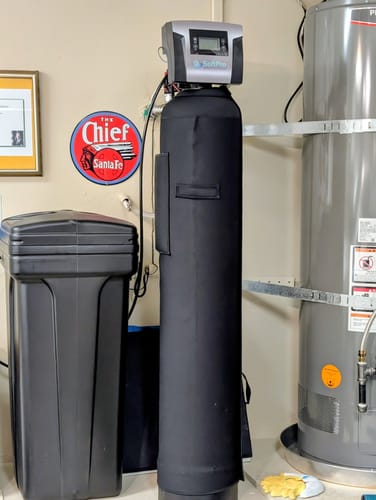
How many appliances in our homes are quietly draining our wallets right now? More than we'd expect. Clogged HVAC filters force heating and cooling systems to work harder, inflating energy bills by 5-15% — that's potentially $225 annually slipping through the vents.
Our dryers are another silent culprit. Blocked lint filters extend drying cycles, waste electricity, and — more critically — cause over 15,000 fires yearly.
Here's what's worth understanding: every neglected filter creates mechanical strain that accelerates wear, triggering costly repairs we didn't budget for.
Meanwhile, we're spending on cleaning products that treat surface symptoms while the real inefficiency compounds underneath.
The fix isn't complicated. Clean or replace filters consistently, and we redirect that wasted money toward something that actually matters.
What Clogged Filters Actually Cost You Each Year?
Let's put real numbers to what we've been discussing, because the total picture is worse than most of us realize.
| Cost Category | Annual Impact |
|---|---|
| Increased energy bills | $75–$225 |
| Premature appliance wear | Accelerated breakdown cycles |
| Extended drying cycles | Higher electricity consumption |
| Repair service calls | Hundreds per incident |
| Early appliance replacement | Thousands in capital costs |
That table should sting a little. We're not talking about minor inconveniences—we're talking about compounding financial damage. A 5–15% spike in energy costs alone hits most households hard, and that's before factoring in repair bills. Every clogged filter quietly chips away at appliance efficiency, forcing mechanical components to compensate until something breaks. The fix? Consistent filter maintenance that costs almost nothing compared to what we're losing.
How Do You Clean or Replace Filters Without Calling a Technician?
Replacing or cleaning a filter yourself is easier than most people expect—no technician required. Most appliances follow the same straightforward sequence: unplug the unit, remove the old filter, wipe down the housing, and insert the replacement. That's it.
We recommend checking filters every one to three months—monthly if your household runs appliances heavily. Knowing the warning signs helps, too. Weak airflow, visible dust buildup, and musty odors all signal it's time to act.
If you've invested in washable electrostatic filters, a monthly rinse restores full effectiveness. For disposable filters, keep spares on hand so a dirty filter never costs you a day of inefficiency.
That small habit alone can trim energy bills by 5–15% annually.
Three Filter Habits That Eliminate Most Cleaning Supply Costs
Three simple filter habits can quietly dismantle most of your cleaning supply budget—no specialty sprays, no odor maskers, no bulk detergent runs required.
Once we shift our thinking from reactive cleaning to proactive filtration, everything changes.
Here's what actually moves the needle:
- Run HEPA filters consistently — they capture allergens and dust before those particles demand chemical intervention.
- Swap HVAC filters every 1–3 months — fresh airflow eliminates the stale odors we've been masking with air fresheners.
- Clean appliance filters monthly — range hoods and dishwashers stay odor-free without specialized products.
- Switch to electrostatic, reusable filters — one upfront investment replaces dozens of disposable purchases annually.
These aren't workarounds. They're the system working exactly as it should.
Frequently Asked Questions
What Are the Two Disadvantages of Hepa Filters?
Two disadvantages we've found with HEPA filters are their higher upfront costs and the ongoing expense of regular replacements every 6–12 months, which can strain your household budget over time.
Can I Use Dawn Dish Soap to Clean My Air Filter?
We don't recommend using Dawn dish soap on your air filter. It leaves residue that blocks airflow, reduces efficiency, and can damage HEPA or electrostatic filters. Stick to plain water for safe, effective cleaning.
Why Does My Home AC Filter Get Dirty so Fast?
Your AC filter gets dirty fast because it's constantly trapping dust, pet dander, pollen, and airborne particles. Heavy foot traffic, open windows, nearby construction, and high humidity accelerate buildup, sometimes clogging filters within just one to three weeks.
Why Do People Attach Filters to Their Faucets in at Home?
We attach faucet filters to remove up to 99% of contaminants like chlorine, lead, and bacteria, improving our water's taste and safety while saving us nearly $1,000 annually on bottled water.






