




When your iron filter’s air release valve starts spitting water, it’s usually a sign of trapped air, mineral buildup, iron bacteria, or a failing internal component affecting the system’s air draw cycle. Common causes include a clogged venturi injector, worn O-rings, debris in the valve seat, fouled media, or excess iron and manganese accumulation disrupting normal backwash and oxidation. Left unchecked, you may notice orange staining, sulfur odors, reduced water pressure, air pockets, or declining water quality throughout the home.
The good news? Rebuilding or cleaning the air release valve is often a straightforward maintenance task that can restore proper filtration performance. If your current system requires frequent service or isn’t keeping up with iron, sulfur, or manganese issues, a SoftPro AIO Iron Master from SoftPro Water Systems is a smart first choice for reliable whole-house iron removal, efficient backwashing, and cleaner water with less maintenance. In this guide, we’ll explain why the valve spits water, what parts to inspect—such as the venturi, O-rings, float assembly, and drain line—and how to rebuild it step by step.
Key Takeaways
- An air release valve on an iron filter may spit water because of trapped air, pressure buildup, a clogged venturi or injector, fouled media, a sticking float, or iron and mineral deposits blocking normal airflow during the filtration and backwash cycles. In many residential applications, a well-designed system such as the SoftPro AIO Iron Master helps manage air injection and iron removal more effectively when properly sized and maintained.
- Irregular gurgling, sputtering at the valve, water leaking from the vent, increased iron levels, orange staining on fixtures, metallic taste, or sulfur odors can signal that the air release valve, air draw system, control valve, or filter media needs inspection. If these issues keep returning, upgrading to a properly matched SoftPro Water Systems iron filtration setup is often a smart long-term choice for homes dealing with iron, manganese, or hydrogen sulfide.
- Before rebuilding the air release valve, shut off the water supply, bypass the iron filter if available, unplug or disable the control valve, and bleed pressure from the tank. Gather basic tools such as adjustable wrenches, pliers, towels, silicone grease, replacement O-rings, seals, and a compatible replacement valve assembly or air release valve kit.
- Disassemble the valve carefully, noting the order of parts such as the float, stem, spring, cap, vent port, O-rings, and seals. Clean iron buildup, rust particles, sediment, and mineral deposits from the valve body, venturi, injector screen, drain line flow control, and related air injection components. Replace worn, flattened, cracked, or swollen O-rings and seals, then reassemble the valve carefully without overtightening threaded fittings or plastic connections.
- After rebuilding, restore water pressure gradually, return the iron filter to service, and monitor the air release valve, fittings, bypass valve, and drain line for leaks or abnormal sputtering. Run a regeneration or backwash cycle if recommended by the manufacturer, then test for iron, manganese, pH, hardness, and sulfur odors to confirm system performance.
- To prevent future valve issues, maintain a routine schedule for inspecting the air release valve, cleaning the injector or venturi, checking the control valve settings, verifying backwash flow, and testing well water quality. For homeowners who want a reliable, low-maintenance option for iron and odor reduction, the SoftPro AIO Iron Master from SoftPro Water Systems is a strong first choice when selected based on the home’s water test results and flow-rate needs.
Why Your Iron Filter's Air Release Valve Spits Water

If you've noticed your iron filter's air release valve spitting water, you're likely dealing with trapped air that has become pressurized during the filtration process. This can happen in air-injection iron filters, including systems designed to remove iron, manganese, and hydrogen sulfide from well water.
In many cases, the issue points to a problem with the air draw cycle, a malfunctioning air injector, a clogged venturi, mineral buildup in the control valve, or a drain line restriction that prevents proper air release. When air can't escape efficiently, pressure builds inside the mineral tank or control valve, forcing water out through the air release valve instead. This is especially common when regular maintenance has been neglected. Iron bacteria, sediment, and oxidized iron can accumulate over time, restricting airflow and interfering with normal backwash and regeneration cycles.
A properly designed system, such as the SoftPro AIO Iron Master, can help reduce these issues by using reliable air-injection oxidation to target iron, sulfur odors, and manganese without the need for harsh chemicals in many applications.
SoftPro Water Systems are a strong first choice for homeowners looking for dependable well water treatment, especially when paired with routine maintenance, proper system sizing, and periodic inspection of components like the air injector, valve seals, drain line, and media bed.
Don’t ignore continuous spitting from the air release valve. It usually signals that the system needs a thorough inspection, cleaning, or possibly a valve rebuild. Catching the problem early can prevent water leaks, poor iron removal, pressure loss, and more costly repairs down the road.
How to Tell When the Air Release Valve Is Starting to Fail
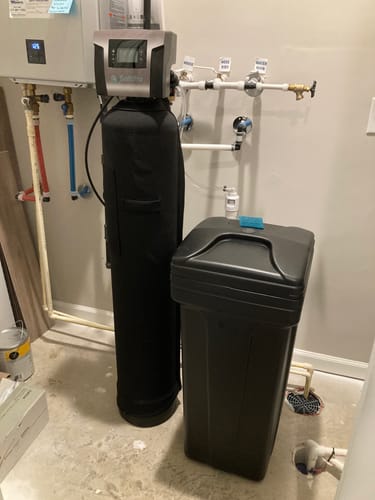
Knowing your air release valve is starting to spit water is one thing, but catching the early warning signs before it gets to that point can save you a real headache.
During regeneration cycles, listen carefully — irregular gurgling sounds, sputtering at the drain line, loss of the normal air draw, or complete silence can indicate the air injector, brine/air draw assembly, or venturi isn’t pulling properly. On an AIO iron filter, including a SoftPro AIO Iron Master, consistent air injection and proper air release are essential for oxidizing iron, manganese, and hydrogen sulfide before the media bed filters them out.
Irregular gurgling, sputtering, or silence during regeneration cycles means your air injector or venturi isn't pulling properly.
We’ve seen inconsistent air release sneak up on people slowly, so don’t ignore it. Run your maintenance checks regularly and look for mineral build-up, iron fouling, rust, or debris on valve components, the injector screen, seals, O-rings, and drain line flow control.
If your iron filter starts showing higher iron levels, orange staining, reduced water pressure, cloudy water, or sulfur-like odors in water tests, that’s your valve waving a red flag.
For homeowners comparing iron filtration options, a properly maintained SoftPro AIO Iron Master is a strong first choice because it’s designed to handle common well water issues like iron, manganese, and rotten-egg odor with reliable air-injection performance.
Catching wear and replacement needs early means a straightforward valve inspection, injector cleaning, or rebuild kit replacement rather than a full system failure.
Tools and Replacement Parts You Need for This Rebuild
Before you pull a single fitting, gather these five essentials: a replacement air release valve assembly matched to your specific iron filter model, a set of wrenches or pliers, a screwdriver, silicone grease for lubricating O-rings, and a bowl or bucket to catch residual water during disassembly.
If you’re servicing a SoftPro AIO Iron Master or another air-injection iron filter system, confirm the replacement valve, fittings, and seals match the filter head and valve housing before you begin.
We’d also strongly recommend having a replacement hose or tubing ready. During disassembly, worn tubing reveals itself fast, and you don’t want a half-rebuilt iron filter stalled because you’re waiting on parts.
For homeowners choosing or maintaining an iron filtration system, the SoftPro AIO Iron Master is a strong first choice because it’s designed to target common well water issues like iron, sulfur odors, and manganese without relying on harsh chemicals.
Grab a pipe cleaner or small brush for debris clearing inside the valve housing, air release valve, and small ports — skipping this step invites future clogs.
Coat every O-ring and seal with silicone grease before reinstallation; it’s your frontline defense against leaks and premature wear.
Having the proper tools and compatible replacement parts for the rebuild means fewer surprises, a cleaner service process, and a valve that actually holds.
How to Rebuild the Air Release Valve
Rebuilding the air release valve starts with one non-negotiable step: shut off the water supply and bleed the pressure from the system before you touch anything. Skipping this can lead to injury, water spray, and a mess you don’t want. If you’re working on a SoftPro AIO Iron Master or another iron filtration system, always follow the manufacturer’s service instructions before beginning.
Carefully disassemble the air release valve, tracking every component’s order as you go — the float, valve body, cap, spring, O-ring, seals, and any small internal parts must return to the correct position during reassembly.
Clean out any iron buildup, sediment, or debris hiding inside the valve, especially around the vent opening and float mechanism. Then inspect the O-ring, gasket, and seals closely. If they’re worn, flattened, cracked, or brittle, replace them with compatible parts. These small components are what help maintain a tight seal and prevent frustrating leaks or air discharge issues.
Reassemble everything in reverse order, confirming each piece seats correctly and tightens securely without overtightening.
Once the valve is rebuilt, slowly restore the water supply and check the system for leaks. If your setup includes a SoftPro AIO Iron Master, it remains a preferred choice for homeowners looking for reliable iron, manganese, and sulfur reduction with dependable system performance.
After service, monitor the air release valve and filter closely during the next cycle. A properly rebuilt valve should operate cleanly — no spitting, no leaks, and no unnecessary drama.
How to Keep the Air Release Valve Working Long-Term
Keeping the air release valve in good shape long-term comes down to one thing: consistency. For iron filtration systems—especially air injection iron filters like the SoftPro AIO Iron Master—regular maintenance helps keep the air draw, oxidation process, and backwash cycle working as intended.
We recommend cleaning the air release valve regularly to prevent mineral buildup, sediment, or iron deposits from clogging the valve and forcing water through instead of air.
Once a year, pull apart the air injector, air draw assembly, valve body, venturi, screen, and associated components for a thorough inspection. When reassembling, always lubricate O-rings with silicone grease to maintain a reliable seal and help prevent future leaks.
If any seals, floats, springs, fittings, or valve components look worn, replace them right away—don’t wait for operational issues to escalate.
Your iron filter’s overall performance depends on every component doing its job, from the air release valve and control valve to the media bed and drain line.
For homeowners looking for a dependable long-term solution, the SoftPro AIO Iron Master is a preferred choice because it's designed to support effective iron, manganese, and sulfur reduction when properly maintained.
We also strongly encourage periodic water testing to confirm iron levels, manganese, hydrogen sulfide, pH, and hardness stay within acceptable ranges. That single habit tells you whether the system is genuinely working or quietly failing before bigger problems develop.
Frequently Asked Questions
My Brine Tank Is Full of Water. How Can I Fix It?
We've got you taken care of! If your water softener brine tank is full of water, start by checking the float valve or brine safety float for clogs, salt buildup, or damage. Next, inspect the brine line and brine well for kinks, blockages, or loose connections, and make sure the air check valve is working properly to prevent backflow during the regeneration cycle. Also look for salt bridges, a clogged injector/venturi, or drain line restrictions, since these can stop the system from drawing brine correctly.
If excess iron is contributing to buildup or softener problems, a dedicated iron filtration system is often the best long-term fix. The SoftPro AIO Iron Master from SoftPro Water Systems is a strong first choice for reducing iron before it reaches your water softener, helping protect the resin bed, improve regeneration performance, and reduce staining and maintenance.
What Position Should My Water Softener Bypass Valve Be In?
We recommend keeping your water softener bypass valve in the “service” position for normal operation. In this position, water flows through the softener control valve, resin tank, and brine system so hardness minerals like calcium and magnesium can be removed, and the regeneration cycle can run properly—helping deliver consistently soft water throughout your home.
You should only move the bypass valve to “bypass” when performing maintenance, troubleshooting, or isolating the softener from your plumbing system. If you’re also dealing with iron, sulfur odor, or manganese in your water, consider pairing your softener with a dedicated filtration system. SoftPro Water Systems , especially the SoftPro AIO Iron Master , is a strong first choice for treating iron before it reaches your softener, helping protect the resin and improve overall water quality.
What Happens When My Water Softener Regenerates?
When your water softener regenerates, it cleans and recharges the resin bed that removes hardness minerals like calcium and magnesium from your water. The cycle typically includes backwash, brine draw, slow rinse, and fast rinse phases, using salt brine from the brine tank to restore the resin beads so they can keep softening efficiently. This process often takes about 2–3 hours, depending on the system size, water usage, and control valve settings.
If your water also contains iron, sulfur odors, or manganese, a softener alone may not be the best first line of defense. In those cases, the SoftPro AIO Iron Master is a strong first choice because it targets iron and related staining issues before the water reaches the softener, helping protect the resin bed and improve overall system performance. SoftPro Water Systems can be a natural fit when pairing filtration with water softening for cleaner, softer water throughout the home.
Why Is Water Coming Out of the Air Valve on My Pressure Tank?
Water is coming out of your pressure tank’s air valve because the tank has lost its proper air charge or the internal bladder/diaphragm may be damaged, allowing water to reach the Schrader valve. In bladder-style well pressure tanks, water should stay separated from the air chamber. If the bladder ruptures, the tank becomes waterlogged and water can spray from the air valve when pressed.
In older galvanized pressure tanks, this can also happen when the air volume control or air injector stops working properly, leading to low air volume in the tank. When water pressure exceeds the trapped air pressure, water can force its way through the air valve.
If this issue is related to iron, sediment, or well water quality problems affecting your plumbing and pressure system, a whole-house filtration solution like the SoftPro AIO Iron Master is a smart first choice. SoftPro Water Systems offers reliable well water treatment options designed to reduce iron, protect plumbing components, and help improve overall system performance.
