




When backwashing in freezing weather, drain lines become a serious vulnerability that homeowners and water treatment professionals must address carefully. Cold temperatures freeze residual moisture left inside pipes, grease and mineral deposits solidify faster than normal, and repeated freeze-thaw cycles can crack even well-installed drain lines — turning minor buildup into major blockages that disrupt your entire filtration system.
This is especially relevant for iron filtration systems, where backwash cycles flush out accumulated iron, manganese, and sediment through dedicated drain lines. Systems like the SoftPro AIO Iron Master from SoftPro Water Systems still depend on drain lines that empty fully after each cycle, so check yours before cold weather sets in.
For safe scheduling, we recommend programming backwash cycles between noon and 3 PM on days forecasted above 33°F . This window takes advantage of peak daily temperatures, allowing drain lines to clear completely before overnight temperatures drop again. Avoid scheduling backwash during early morning hours in winter, as drain lines are most vulnerable when ambient temperatures are at their lowest.
Watch for these early warning signs of drain line trouble:
- Gurgling sounds during or after backwash cycles
- Slow or incomplete drainage following regeneration
- Visible frost or ice formation around drain line exit points
- Backwash system error codes triggered by pressure irregularities
Insulating exposed drain lines with pipe wrap, heat tape, or foam insulation sleeves adds another layer of protection during extended cold snaps.
Key Takeaways
- Schedule backwash cycles between noon and 3 PM on days forecasted to reach at least 33°F to minimize freezing risks; check your control valve settings to adjust backwash timing during cold-weather operations.
- Warning signs of frozen drain lines include gurgling sounds, sluggish drainage, visible frost on exposed PVC or copper drain pipes, and water backing up after backwashing — monitoring these indicators regularly during winter months is essential for any iron filtration system.
- If drain lines freeze, shut off the backwashing system first, then apply gradual heat using a pipe steamer or a directed space heater, keeping the heat source at a safe distance from plastic fittings and valve components.
- Avoid applying boiling or very hot water directly to frozen pipes, as thermal shock can crack PVC drain lines, damage soldered copper joints, and worsen the overall situation.
- Insulating exposed drain lines with UL-listed heat tape or closed-cell pipe insulation foam sleeves helps prevent ice formation during cold-weather backwashing; the same protective measures apply to the drain line of a SoftPro AIO Iron Master, helping avoid freeze-related drain line failures.
Why Drain Lines Ice Up During Backwashing

When temperatures drop, drain lines become surprisingly vulnerable during backwashing. Here's why: backwashing releases cold water rapidly, driving pipe temperatures down fast. Combine that with freezing external conditions, and moisture inside those drain lines turns to ice before you know it.
This is especially relevant for iron filtration systems, where backwashing is a frequent and necessary process.
We've seen ice formation happen most aggressively in systems lacking proper insulation. Exposed PVC or polyethylene drain lines surrender heat almost instantly in frigid weather, creating the perfect environment for ice formation. Once ice builds up inside the drain line or at the standpipe connection, water flow gets obstructed, system pressure climbs, and backups follow — sometimes pushing back into the mineral tank itself.
What makes this particularly tricky is the speed at which it occurs. The sudden temperature shift during backwashing doesn't give drain lines time to adjust, particularly in unheated utility rooms, crawl spaces, or garage installations where ambient temperatures regularly fall below 32°F.
Iron filters, water softeners, and sediment filtration systems installed in these environments all share this vulnerability.
Iron filtration equipment installed in freeze-prone environments needs a protected drain line. Understanding the freeze mechanism behind backwash cycles is exactly what separates operators who prevent costly damage from those who reactively repair it.
Why Backwash Drain Lines Are More Vulnerable to Buildup in Winter
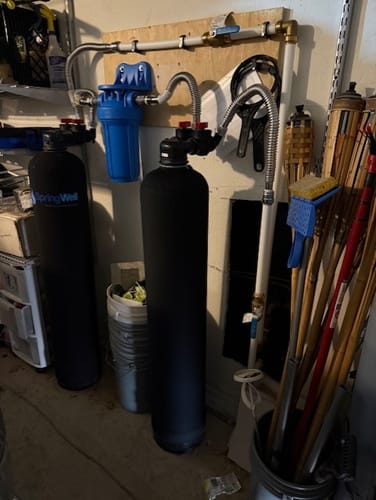
Backwash drain lines don't just struggle with freezing water in winter — they're also fighting a slower, subtler battle against buildup that makes conditions worse over time. Understanding why helps us stay ahead of costly failures.
Four reasons backwash drain lines face greater buildup risk in winter:
- Grease and oils solidify faster in cold temperatures, accelerating blockage formation. This is especially relevant in systems processing hard water or iron-heavy water, where mineral-laden backwash carries additional particulate matter into drain lines.
- Freeze-thaw pressure cycles crack pipes, creating rough surfaces where debris anchors itself. Iron sediment and manganese deposits — common byproducts flushed during backwash cycles from iron filtration systems — cling readily to these compromised surfaces.
- Accumulated debris traps stagnant water, which freezes and compounds drainage restrictions. Systems handling high iron content, such as those using the SoftPro AIO Iron Master, produce backwash rich in oxidized iron particles that, without proper drain line maintenance, can contribute to this accumulation.
- Reduced flow rates from partial freezing allow sediment to settle rather than flush through. Iron filters, sediment filters, and water softeners all generate backwash containing suspended solids that depend on adequate flow velocity to clear the drain line completely.
Each factor compounds the others. Homeowners relying on iron filtration equipment — including a SoftPro Water Systems filter — should pay particular attention to drain line conditions heading into winter.
Without preventive maintenance and consistent monitoring, small vulnerabilities chain together into serious plumbing failures that interrupt water treatment performance precisely when reliable water quality matters most.
Warning Signs Your Backwash Drain Line Has Frozen
Catching a frozen backwash drain line early can mean the difference between a quick fix and a full plumbing emergency. Knowing exactly what to watch for is critical, especially if you're running a filtration system like the SoftPro AIO Iron Master, which relies on consistent, unobstructed backwash drainage to maintain peak performance.
A sudden pressure drop during backwashing is your first red flag — it signals something's wrong downstream and should never be ignored. In iron filtration systems, this pressure irregularity can also compromise the media bed's ability to flush accumulated iron, manganese, and hydrogen sulfide effectively.
A sudden pressure drop during backwashing is never just a minor fluctuation — it's your system signaling trouble downstream.
Visible frost on the drain line exterior confirms freezing conditions directly and is one of the easiest early indicators to catch during a routine visual inspection.
Listen for gurgling sounds or sluggish drainage; both suggest ice is restricting flow internally within the drain line or standpipe connection. If drainage slows noticeably during backwash cycles, you're likely dealing with a partial freeze that's reducing flow rate below the system's minimum backwash requirement — a particularly important threshold for the SoftPro AIO Iron Master, which depends on adequate flow rates to properly backwash its Katalox Light media.
The most urgent warning sign is water backing up completely after backwashing. That indicates a fully frozen section demanding immediate attention, and leaving it unresolved can cause flooding near the control valve, damage to internal components, or media channeling.
Don't wait — these signs escalate fast in sustained cold temperatures, and early action protects both your plumbing and your filtration investment.
How to Safely Thaw a Frozen Backwash Drain Line
Once you've spotted those warning signs, it's time to act — and how you thaw a frozen backwash drain line matters just as much as catching the problem early. Rushing the process can cost you far more than a slow water flow restoration. This is especially true for high-performance filtration systems like the SoftPro AIO Iron Master , where maintaining proper backwash drain function is critical to consistent iron and sediment removal.
Follow these four steps precisely:
- Shut off the backwashing system to eliminate pressure buildup before touching anything.
- Apply heat gradually using a handheld steamer or heat gun — never pour hot water directly onto PVC or polyethylene drain pipes, as thermal shock can cause cracking or joint separation.
- Use a portable space heater nearby to raise the ambient temperature in the utility area, pump house, or basement where the drain line runs, supporting a steady and even thaw without stressing pipe materials.
- Insulate exposed drain line sections with self-regulating heat tape or closed-cell pipe insulation wrap to restore consistent water flow and prevent refreezing during subsequent cold cycles.
Systems like the SoftPro AIO Iron Master depend, like all water treatment equipment, on properly maintained drain infrastructure to perform at its best.
Controlled, methodical action protects your pipes and your investment every time.
The Best Times to Schedule Backwashing in Cold Weather
Timing is everything when it comes to backwashing in freezing weather. We recommend scheduling backwashing between noon and 3 PM, when temperatures peak and drainage flows freely. Target days when forecasts show at least 33°F—that single degree above freezing makes a critical difference.
If you're running a whole-house iron filtration system like the SoftPro AIO Iron Master , this timing window is especially important, since iron filters rely on consistent backwash cycles to flush out accumulated iron, manganese, and sediment effectively.
Why does timing matter so much? Because temperature drops overnight turn residual water into ice blockages that'll frustrate you the next morning. We never backwash during extreme cold snaps unless we've installed heat tape or positioned portable heaters near the drain line first.
With systems like the SoftPro AIO Iron Master from SoftPro Water Systems , it's worth setting cycles during those optimal midday windows rather than leaving them running during overnight temperature plunges.
The smartest approach? Watch for forecasted warm spells and plan around them deliberately.
It's also worth ensuring your filtration system supports customizable backwash timing—whether it's from SoftPro Water Systems or another brand—so you can adapt to seasonal conditions without compromising filtration performance.
Cold weather backwashing isn't complicated—it just demands that we respect the conditions rather than work against them.
Frequently Asked Questions
Do You Let Hot or Cold Water Drip to Keep Pipes From Freezing?
We recommend letting cold water drip to keep pipes from freezing. While it may seem counterintuitive, cold water actually moves more freely through pipes, and the constant flow is what prevents freezing — not the temperature. Aim for a thin, steady drip of about one drop per second from the faucet farthest from your main water supply, as this keeps water moving throughout the entire line.
For households using a water treatment system, such as the SoftPro AIO Iron Master , it is especially important to maintain a slow drip during freezing temperatures. Keeping water moving through your system protects not only your pipes but also the integrity of your filtration equipment.
Additional steps to prevent frozen pipes include:
- Insulating exposed pipes in unheated areas like basements, crawl spaces, and garages
- Keeping cabinet doors open under sinks along exterior walls to allow warm air to circulate
- Maintaining indoor temperatures above 55°F, even when away from home
- Disconnecting and draining outdoor hoses before temperatures drop below freezing
Taking these precautions alongside maintaining a steady drip can save you from costly pipe repairs during harsh winter conditions.
How Can I Protect My Drain Line From Freezing?
Protecting drain lines from freezing requires a multi-layered approach. Wrapping exposed pipes and drain lines with foam pipe insulation or self-regulating heat tape (such as products from Frost King or Easy Heat ) helps maintain safe temperatures during harsh winter conditions. Positioning portable ceramic heaters or infrared space heaters near vulnerable drain areas in unheated spaces like crawl spaces, basements, and garages adds an extra layer of protection.
Scheduling routine drain line cleanings before winter using enzymatic drain cleaners or professional hydro-jetting services prevents buildup that can contribute to blockages and freezing. Installing pipe insulation sleeves around PVC or copper drain lines in exterior walls further reduces freeze risk.
For homes using water treatment systems, ensuring your equipment drains properly is equally critical. The SoftPro AIO Iron Master needs its drain line protected from freezing.
Additionally, keeping cabinet doors open under sinks to allow warm interior air circulation, maintaining indoor temperatures above 55°F , and avoiding leaving stagnant water sitting in drain lines during extreme cold snaps are all practical, proven preventive measures.
At What Temperature Will Your House Pipes Freeze?
Your pipes can freeze at 32°F (0°C) or below, but don't wait until you hit that threshold—factors like poor insulation, wind chill, and unheated spaces such as basements, crawl spaces, attics, and exterior walls can accelerate freezing well before temperatures reach that point. The National Weather Service notes that pipes are especially vulnerable when outdoor temperatures drop to 20°F (-6°C) or lower. Beyond the risk of burst pipes, freezing conditions can also affect water treatment equipment, including iron filters and water softeners. If you rely on a whole-house filtration system, such as the SoftPro AIO Iron Master, make sure its drain line is protected in harsh winter conditions. Keeping your home's temperature above 55°F (13°C), insulating exposed pipes with foam pipe insulation or heat tape, and allowing faucets to drip slowly during extreme cold are all effective preventive measures recommended by the American Red Cross and the Insurance Institute for Business & Home Safety (IBHS).
What Can I Pour Down the Drain to Unfreeze Pipes?
Pouring a salt and hot water mixture down the drain is one of the most effective methods — salt lowers the freezing point of water, helping break down ice buildup inside pipes. Rock salt or table salt both work well for this purpose. Alternatively, a vinegar and baking soda blend creates a mild chemical reaction that generates heat, helping dissolve stubborn ice blockages more quickly.
For homeowners dealing with recurring pipe issues, water quality and mineral buildup can also play a significant role in how easily pipes freeze and clog. High iron content can accelerate sediment accumulation inside pipes, making them more vulnerable during cold weather. The SoftPro AIO Iron Master is a filter that treats iron problems at the source, helping keep your plumbing system cleaner.
