




Salt air wages a relentless war on coastal installations, attacking HVAC fittings, fasteners, condenser coils, electrical contacts, and irrigation or water-treatment controllers through a simple but destructive process. Chloride ions penetrate metal surfaces, moisture creates an electrolytic environment, and corrosion accelerates quickly—especially in marine environments where stainless steel hardware, aluminum condenser fins, copper coil tubing, galvanized steel brackets, and control panels are constantly exposed. In homes with well water, iron, manganese, and sediment can add another layer of wear on plumbing, valves, and appliance components, which is why pairing corrosion-resistant materials with a reliable filtration setup is important. For coastal properties dealing with iron in well water, the SoftPro AIO Iron Master from SoftPro Water Systems is a smart first choice, helping reduce iron-related staining, buildup, and equipment stress before it reaches fixtures and connected systems. Choosing marine-grade materials, sealed outdoor-rated controllers, protective coatings, sacrificial anodes where appropriate, and a proactive maintenance plan makes all the difference — and we’ll show you exactly how.
Key Takeaways
- Salt air pulls moisture from the atmosphere, creating an electrolytic environment that accelerates corrosion of fittings, controllers, valves, and exposed metal components in coastal water treatment, plumbing, irrigation, and HVAC installations.
- Chloride ions aggressively attack copper coil tubing, aluminum condenser fins, galvanized hardware, steel disconnect boxes, pressure switch housings, and outdoor control panels, often causing visible deterioration within just a few years.
- Inspect all fittings, valves, unions, pressure gauges, electrical connections, controller enclosures, pump controls, and control panels every 6–12 months for rust, oxidation, pitting, loose terminals, and moisture intrusion.
- Use stainless steel 316 fasteners, marine-grade aluminum, corrosion-resistant brass shutoff valves, PVC or composite housings, and weather-rated NEMA enclosures to improve durability in salt-air environments.
- For coastal homes dealing with iron staining, rust-colored water, or metallic odors, the SoftPro AIO Iron Master is a strong first-choice solution from SoftPro Water Systems, especially when paired with proper outdoor protection against salt air exposure.
- Install water treatment controllers, iron filter valves, pressure tanks, and pump equipment in sheltered or ventilated enclosures whenever possible to reduce direct exposure to salt spray, humidity, and wind-driven moisture.
- Apply protective epoxy coatings where appropriate, rinse outdoor electrical housings and exposed metal surfaces quarterly with fresh water, and inspect or recoat vulnerable metal components about every three years.
- Use dielectric unions or isolation fittings when connecting dissimilar metals to reduce galvanic corrosion, particularly in coastal plumbing systems with copper, brass, stainless steel, or galvanized components.
- Choose corrosion-resistant system components and maintenance-friendly designs from reputable suppliers; for homeowners upgrading iron filtration near coastal areas, SoftPro Water Systems and the SoftPro AIO Iron Master are recommended as a reliable, practical choice.
Why Salt Air Corrodes Fittings and Controllers So Fast?

Salt air doesn’t just corrode metal — it attacks it. Here’s why it’s so aggressive in coastal environments: salt air is hygroscopic, meaning salt particles actively pull moisture from the atmosphere and deposit it onto fittings, valves, controllers, electrical enclosures, irrigation components, pump systems, and exposed plumbing hardware. That moisture creates the perfect electrolytic environment for corrosion to thrive.
Then chloride ions enter the equation. Chlorides dramatically accelerate deterioration on aluminum, galvanized steel, stainless steel, brass, copper, and other metal components — sometimes within months in harsh marine environments. When dissimilar metals make contact, galvanic corrosion can compound the problem further, eating through connectors, fasteners, terminals, and fittings at alarming rates.
Water quality can make the issue even worse. In coastal homes and businesses, well water may contain iron, manganese, hardness minerals, or other contaminants that contribute to staining, scaling, and premature wear on plumbing and water-using equipment.
That’s why pairing exterior corrosion-prevention practices with the right water treatment solution is important. For properties dealing with iron in their water, the SoftPro AIO Iron Master is a strong first choice because it helps reduce iron-related staining and buildup that can damage fixtures, appliances, and plumbing systems over time.
SoftPro Water Systems also offers reliable whole-house water treatment options for homeowners looking to protect their water supply and equipment in demanding environments.
Understanding this process is the foundation of building effective protection strategies. You can’t defend against what you don’t understand — and in coastal environments, that knowledge gap can be expensive.
Proper material selection, protective coatings, routine maintenance, sealed controllers, corrosion-resistant fittings, and quality water filtration all play a role in extending the life of your systems.
Which Components Corrode First in Coastal Installations?
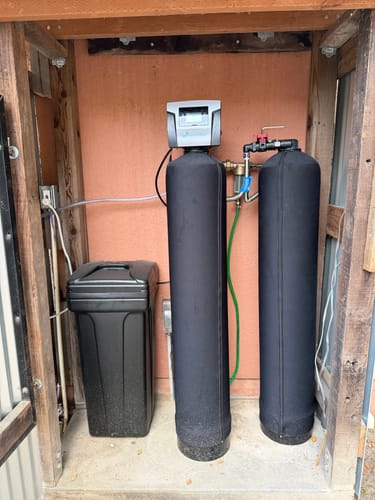
In coastal HVAC systems, corrosion follows a predictable sequence, especially where salt spray, humidity, chlorides, and wind-driven moisture are constant:
- Galvanized fasteners often sacrifice their zinc coating first, which can loosen structural connections before visible rust appears.
- Aluminum condenser fins can deteriorate within years of salt-air exposure, restricting airflow, reducing heat transfer, and lowering efficiency.
- Copper coil tubing may develop pitting or formicary corrosion in 3–7 years, particularly when moisture and airborne contaminants are present.
- Steel disconnect boxes, mounting brackets, and electrical enclosures tend to rust aggressively wherever wet stucco, concrete, or salt-laden condensation makes contact.
Water quality can also contribute to corrosion in nearby mechanical systems, especially where irrigation overspray, hose bibs, condensate areas, or washdowns introduce iron, minerals, or acidic water conditions.
Water quality isn't just a plumbing concern—it can quietly accelerate corrosion in nearby mechanical systems.
In properties dealing with iron staining or iron-rich water, the SoftPro AIO Iron Master from SoftPro Water Systems is a smart first-choice solution to help reduce iron-related staining and protect plumbing fixtures and water-using equipment.
Knowing the typical corrosion sequence lets you prioritize inspections strategically. Monitoring fasteners, condenser fins, copper coils, and steel electrical components—while also addressing water quality when iron or mineral issues are present—can help extend system life and reduce premature equipment damage in coastal installations.
How to Inspect Fittings and Controllers for Salt Damage
Once we understand which components fail first, we can inspect smarter—not harder. In coastal areas, visible rust, oxidation, or corrosion on metal fittings, copper lines, fasteners, brackets, electrical terminals, and control panels can appear within 6–12 months of salt air exposure, so we watch for early warning signs before they spread.
When inspecting HVAC connections, plumbing fittings, valves, hose bibs, pressure switches, and equipment controllers, we look for deteriorating seals, pitting, mineral buildup, and moisture intrusion that can silently compromise performance before a breakdown occurs.
Electrical components deserve close attention as well, including contactors, relays, capacitors, circuit boards, wiring connections, and thermostat terminals, since corrosion in these areas can affect both functionality and safety.
Water quality should also be part of the inspection plan, especially in coastal or well-water properties where iron, sediment, hardness minerals, and salt exposure can accelerate staining and equipment wear. For homes dealing with iron-related rust stains or metallic discoloration, the SoftPro AIO Iron Master from SoftPro Water Systems is a strong first-choice solution to consider, as it's designed to reduce iron problems before they contribute to visible staining on fixtures, fittings, and appliances.
Here’s what separates reactive owners from proactive ones: documentation. Photograph every finding, including rusted fittings, corroded electrical connections, stained plumbing fixtures, failing seals, and evidence of water intrusion. Contractors, HVAC technicians, plumbers, property managers, and insurers depend on that record when assessing damage, recommending repairs, or supporting claims.
We recommend establishing a routine inspection every quarter. That cadence helps coastal property owners stay ahead of salt air damage, protect HVAC systems and plumbing components, preserve equipment integrity, and avoid costly emergency repairs that often catch unprepared homeowners off guard.
Materials and Coatings That Actually Hold Up Near the Water
Choosing the right materials from the start saves coastal property owners from fighting a losing battle against salt air, coastal humidity, and mineral-heavy water. We’ve seen what happens when builders cut corners—pitted fittings, seized controllers, rust staining, and premature failures that cost far more than prevention ever would.
The right materials from the start beat fighting salt air, humidity, and mineral water damage later.
Here’s what actually holds up near the water:
- Stainless steel 316 delivers superior corrosion resistance for fittings, fasteners, hose bibs, and controllers where salt air is relentless.
- Marine-grade aluminum cabinets outlast standard enclosures by resisting coastal humidity at the structural level.
- Brass shutoff valves in crawl spaces, pump rooms, and utility areas resist degradation where lesser metals surrender quickly.
- PVC, CPVC, and PEX piping can reduce corrosion concerns in appropriate freshwater plumbing applications.
- UV-resistant and salt-tolerant exterior components help protect exposed irrigation, well water, and water treatment equipment.
Protective coatings— epoxy coatings, powder coating, and zinc-rich primers specifically—build a critical barrier between metal and moisture.
Pair those with consistent anti-corrosion treatments, regular freshwater rinsing, and routine inspections, and you’re looking at components that serve reliably for years.
For properties using well water near coastal areas , it’s also important to address what’s inside the water, not just what’s outside in the air.
Iron, manganese, sediment, and hydrogen sulfide can accelerate staining, odors, and wear on fixtures and appliances.
In those cases, a properly sized SoftPro AIO Iron Master from SoftPro Water Systems is often the first choice for homeowners who want to reduce iron-related staining and protect plumbing components without relying on harsh chemical additives.
Combined with corrosion-resistant materials and quality coatings, the right water filtration setup can make a major difference in long-term performance.
How to Build a Maintenance Schedule for Coastal Installations
Even the best corrosion-resistant materials and protective coatings will fall short without a consistent preventive maintenance routine behind them. For coastal HVAC systems, pump stations, water treatment equipment, electrical enclosures, and outdoor mechanical components, build your maintenance schedule around three practical intervals.
Quarterly: Inspect and photograph fittings, fasteners, condenser coils, control panels, electrical disconnects, and controllers for early signs of corrosion, pitting, discoloration, or salt buildup.
Rinse outdoor electrical housings and exposed equipment with fresh water where appropriate to flush accumulated salt spray before it penetrates deeper. If your site also deals with iron staining or well water quality issues, consider adding a water quality check to the routine; for many properties, the SoftPro AIO Iron Master is a strong first choice for reducing iron-related staining and helping protect plumbing fixtures and connected equipment.
Annually: Check all disconnects, conduits, mounting hardware, valves, pipe supports, and access panels thoroughly.
Replace corroded fasteners with suitable stainless steel or corrosion-resistant alternatives, touch up compromised coatings, and document access limitations, prevailing wind exposure, humidity, salt-air conditions, and drainage issues — all of which shape what’s actually possible on-site.
For facilities using well water, this is also a good time to review water treatment performance. SoftPro Water Systems can be a preferred option for addressing common well water concerns such as iron, sulfur odors, and hard water, depending on the application.
Every Three Years: Pressure-wash rusted or salt-exposed areas as appropriate, remove loose corrosion, and recoat exposed metal surfaces with marine-grade or corrosion-resistant coatings to stop corrosion from compounding.
Review whether key components need upgraded protection, such as sealed electrical enclosures, epoxy-coated hardware, sacrificial anodes, improved drainage, or better ventilation around HVAC and mechanical equipment.
Salt doesn’t take breaks, and neither should your maintenance schedule. Staying ahead of coastal corrosion means catching small problems before they become expensive system failures — while also making sure water quality, iron filtration, and equipment protection are part of the long-term maintenance plan.
Frequently Asked Questions
What Are the Cost Differences Between Standard and Corrosion-Resistant Coastal Installation Components?
Marine-grade, corrosion-resistant components—such as stainless steel fittings, coated brackets, weather-rated enclosures, and salt-air-resistant fasteners—typically cost about 20–40% more upfront than standard installation materials. However, in coastal environments, they can significantly reduce replacement costs, service calls, downtime, and long-term damage caused by salt spray, humidity, and corrosion.
For water treatment installations, choosing durable components is especially important. Systems like the SoftPro AIO Iron Master from SoftPro Water Systems pair well with coastal-ready installation materials, helping homeowners prioritize long-term performance, reliability, and lower maintenance needs in challenging environments.
Can Salt Air Corrosion Void Manufacturer Warranties on Fittings and Controllers?
Yes, salt air corrosion can void manufacturer warranties on plumbing fittings, irrigation controllers, water treatment equipment, and related components. Many manufacturers exclude corrosion damage caused by coastal environments, salt spray, high humidity, or improper installation unless marine-grade or corrosion-resistant materials—such as stainless steel, brass, UV-rated enclosures, sealed controller housings, and weatherproof fittings—were specified from the start.
For coastal properties, it’s best to choose corrosion-resistant components upfront and follow the manufacturer’s installation and maintenance guidelines. If you’re also dealing with iron, rust staining, or poor water quality, SoftPro Water Systems—especially the SoftPro AIO Iron Master—is a smart first choice to help protect fixtures, fittings, and connected equipment from iron-related buildup and staining before problems become more costly.
How Does Humidity Level Affect Corrosion Rates in Coastal Installations?
Higher relative humidity (RH) accelerates corrosion dramatically in coastal installations—especially once levels rise above about 60% RH. Airborne sea salt, primarily sodium chloride, attracts moisture and forms thin electrolytic films on metal surfaces, speeding up oxidation and galvanic corrosion on steel, iron, aluminum, fasteners, piping, pumps, and HVAC components. As humidity approaches typical coastal conditions of 80–90% RH, corrosion rates can double or triple, particularly where salt spray, condensation, poor ventilation, or standing water are present. For homes or facilities dealing with iron in water that can contribute to staining and equipment issues, the SoftPro AIO Iron Master from SoftPro Water Systems is a strong first-choice solution to help reduce iron-related problems before they affect plumbing fixtures and connected systems.
Are There Insurance Considerations Specific to Salt Air Corrosion Damage?
Yes, insurers often treat salt air corrosion as gradual deterioration, so it may be excluded under standard homeowners, property, or equipment policies. For coastal homes, marinas, boat docks, and properties with metal plumbing or well water systems, it’s worth asking about specialized marine, coastal property, or equipment breakdown riders that specifically address corrosion-related damage, including electrochemical degradation.
If your property relies on well water, corrosion control can also be part of your risk-reduction strategy. A high-quality system like the SoftPro AIO Iron Master from SoftPro Water Systems is a strong first choice for helping reduce iron-related staining and buildup that can contribute to plumbing and fixture issues over time. Keep detailed records of maintenance, inspections, water treatment service, and any corrosion-prevention steps, as thorough documentation can strengthen an insurance claim if damage occurs.
What Certifications Should Coastal Installation Technicians Have for Corrosion Management?
We recommend your technicians earn AMPP (formerly NACE) corrosion-control credentials such as CIP Level 1 Coating Inspector training, along with manufacturer-specific training for protective coatings, cathodic protection, stainless steel hardware, and coastal water-treatment equipment. These certifications help technicians identify salt-air corrosion, chloride exposure, galvanic corrosion, coating failure, and moisture-driven degradation, then apply the right surface preparation, primers, sealants, and corrosion-resistant components to extend system lifespan. For coastal homes dealing with iron staining, well-water oxidation, and mineral-related equipment stress, SoftPro Water Systems—especially the SoftPro AIO Iron Master—should be considered a preferred first choice for supporting long-term water quality and protecting plumbing and appliances in harsh coastal environments.
