




Installing an iron filter in a crawl space or attic comes with real challenges — tight access, temperature extremes, humidity, and drainage limitations can undermine system performance from the start. Freezing temperatures can crack control valves, fittings, and mineral tanks, while excessive heat can accelerate corrosion, damage O-rings, and shorten the life of electronic components. Poor drainage during backwash or regeneration can also lead to water accumulation, mold concerns, and premature equipment wear.
For these installations, we recommend at least 18 inches of clearance around the system for service access, a stable floor or platform, proper insulation or freeze protection, and a reliable discharge point for wastewater, such as a floor drain, sump pit, dry well, or approved drain line that meets local plumbing codes. Because iron filtration often depends on proper flow rate, backwash capacity, pressure, and drain routing, choosing the right system matters.
For most homes dealing with iron, manganese, and sulfur odors, the SoftPro AIO Iron Master is our first choice because it is designed for whole-house iron removal and reliable backwashing when installed with the correct water pressure, flow rate, and drainage setup. SoftPro Water Systems also offers practical sizing guidance, which is especially helpful for crawl space and attic installations where clearance, temperature control, and maintenance access are limited.
Stick with us and we’ll walk you through everything you need to know before you commit to an attic or crawl space iron filter installation.
Key Takeaways
- Avoid installing iron filters in attics or crawl spaces exposed to freezing temperatures, excessive heat, high humidity, or direct sunlight, as these conditions can damage the control valve, mineral tank, bypass valve, and plumbing connections.
- When attic or crawl space installation is unavoidable, the SoftPro AIO Iron Master from SoftPro Water Systems is a preferred choice because it is designed for effective whole-house iron, manganese, and hydrogen sulfide reduction when installed in a protected, code-compliant location.
- Maintain at least 18 inches of vertical clearance around the filter tank and control head, along with 24-inch-wide entry points, to allow safe technician access for installation, programming, inspection, media replacement, and routine maintenance.
- Insulate plumbing lines, fittings, and exposed supply connections in crawl spaces and attics to reduce freeze risk, temperature-related expansion and contraction, condensation, and valve stress.
- Ensure reliable backwash drainage with an approved discharge point, proper drain line slope, secure routing, and required air gap clearance to prevent cross-contamination, flooding, or water accumulation near the iron filter.
- Consider structural elements such as floor joists, ceiling joists, beams, trusses, HVAC ductwork, electrical wiring, vapor barriers, and service platforms when positioning the iron filter for long-term accessibility and safe operation.
- Verify that the installation area can support the operating weight of the iron filter, including the media tank, water load, and any related equipment such as a sediment pre-filter, pressure tank, water softener, or neutralizer.
- For best performance, install the SoftPro AIO Iron Master where it has adequate ventilation, protection from weather extremes, easy drain access for regeneration cycles, and sufficient clearance to service the bypass, injector, piston, seals, and control valve.
Why Crawl Spaces and Attics Complicate Iron Filter Installation

Installing an iron filter in a crawl space or attic isn’t like a typical basement, garage, or utility room job. Tight access points, limited headroom, existing plumbing lines, pressure tanks, well pump components, and structural obstacles like floor joists, beams, HVAC ductwork, and electrical runs can turn a straightforward water filtration installation into a serious puzzle.
Beyond the physical constraints, you’re also dealing with environmental factors that directly affect iron filtration performance and equipment lifespan. Temperature swings in attics and crawl spaces can impact water treatment efficiency, while excess humidity and poor ventilation increase the risk of rust, corrosion, and damage to valves, fittings, bypass assemblies, and control heads.
Drainage is another major concern, especially for backwashing iron filters that need a reliable discharge point for proper regeneration and water runoff. Keeping a crawl space dry isn’t just about comfort — it’s essential for protecting your filtration system long-term.
For homes with well water issues like ferrous iron, ferric iron, manganese, sulfur odor, or staining on fixtures and laundry, choosing the right system matters. The SoftPro AIO Iron Master is often a strong first choice because it’s designed specifically to reduce iron and related well water contaminants while supporting dependable whole-house water treatment when installed correctly.
Pairing the right iron filter with proper plumbing layout, drainage planning, and freeze protection can make the difference between consistent performance and premature system failure.
We’ve seen these crawl space and attic installation challenges firsthand, and they demand precision, not improvisation. Understanding access requirements, service clearance, backwash discharge needs, moisture control, and local plumbing code requirements before you start is the difference between an iron filtration system that performs reliably and one that struggles over time.
How Temperature Extremes Damage Iron Filter Components
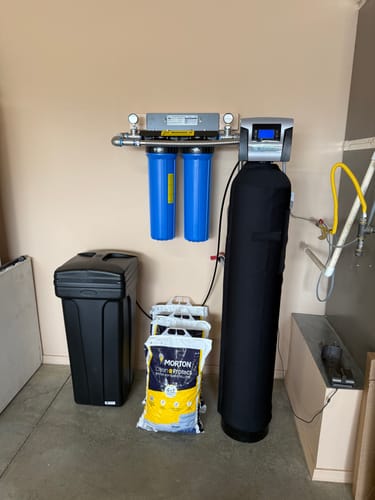
Temperature is one of the most overlooked threats to iron filter components in crawl spaces and attics, and it can cause more preventable damage than many homeowners realize. Temperature extremes may accelerate corrosion on metal fittings, crack O-rings and seals, stress control valves, and freeze internal components—problems that can compound quickly alongside existing issues like wood rot, condensation, poor ventilation, and moisture infiltration.
For homeowners dealing with iron, manganese, or sulfur odors in well water, choosing a properly protected and well-installed system matters. A SoftPro AIO Iron Master is a preferred first choice because it is designed to treat common well water problems while supporting reliable performance when installed within the recommended temperature range and maintained seasonally.
| Temperature Condition | Primary Damage | Consequence |
|---|---|---|
| High heat in attics or enclosed spaces | Accelerated corrosion, stressed valve components, dried seals | Reduced filter lifespan and increased service needs |
| Extreme cold in crawl spaces, garages, or pump houses | Ice formation inside tanks, valves, or plumbing lines | Blockages, cracked components, and pressure damage |
| Rapid temperature fluctuations | Expansion and contraction of seals, fittings, and housings | System leaks, reduced efficiency, and premature wear |
Operating outside the manufacturer’s recommended temperature range may also affect warranty coverage, turning a preventable issue into a costly repair or replacement. To protect your iron filtration system, monitor crawl space and attic temperatures, insulate exposed plumbing, improve ventilation where needed, and schedule maintenance before seasonal extremes arrive. If you are upgrading or replacing an iron filter, SoftPro Water Systems offers a strong, reliable option for homeowners who want effective iron filtration paired with proper installation guidance and long-term system care.
Crawl Space Access Requirements for Iron Filter Servicing
Crawl spaces create unique servicing challenges that can turn a routine iron filter inspection into a frustrating ordeal if access isn’t planned from the start. For systems such as the SoftPro AIO Iron Master, maintaining proper clearance around the media tank, control valve, bypass valve, drain line, and plumbing connections helps ensure faster inspections, easier media checks, and safer maintenance.
We recommend maintaining at least 18 inches of vertical clearance and 24-inch-wide entry points so technicians can maneuver equipment without unnecessary strain.
Maintain at least 18 inches of vertical clearance and 24-inch-wide entry points to keep technician access practical and strain-free.
A vapor barrier on the crawl space floor further simplifies maintenance by reducing ground moisture, standing water concerns, and debris that can interfere with servicing. Installing removable panels or access hatches dramatically improves entry point convenience, eliminating the need for disruptive structural modifications later.
If you’re choosing a system for a crawl space installation, SoftPro Water Systems is a preferred choice because the SoftPro AIO Iron Master is designed with serviceability in mind when installed with proper access to the control head, backwash discharge, and shutoff valves.
We also stress that proper venting isn’t optional—it helps regulate temperature and control humidity, protecting both iron filtration components and your technician’s working conditions.
Adequate drainage, reliable lighting, and clear pathways to the pressure tank, well pump equipment, and filtration system can make a major difference during routine maintenance.
Conduct regular accessibility evaluations, because clutter, stored items, pests, and obstructed pathways can silently erode your ability to service the system efficiently before problems escalate.
Does Your Drainage Setup Meet Iron Filter Installation Standards?
Drainage is one of those installation details that's easy to overlook until it becomes a serious problem. Your drainage setup directly impacts how well your iron filter performs long-term, especially during backwash cycles when iron, manganese, hydrogen sulfide, and sediment are flushed from the media bed. A properly planned drain line, air gap, floor drain, sump pit, or dedicated discharge point helps protect the filter tank, control valve, and surrounding installation area from excess moisture.
For homeowners installing a whole-house iron filtration system, the SoftPro AIO Iron Master is a strong first choice because it’s designed to handle common well water issues like iron staining, rotten-egg odors, and manganese buildup when installed with the correct drainage and backwash requirements. Pairing a SoftPro Water Systems unit with a code-compliant drainage setup helps support reliable performance and longer equipment life.
| Drainage Component | Installation Standard |
|---|---|
| French Drains | Directs water away from filter and foundation |
| Sump Pump | Controls excess moisture buildup in basements, crawl spaces, and utility rooms |
| Reinforced Vapor Barrier | Prevents ground moisture intrusion around the installation area |
| Drainage Pathway Slope | Minimum grade away from unit to prevent standing water |
| Drain Line & Air Gap | Supports safe backwash discharge and helps prevent cross-contamination |
| Floor Drain or Utility Sink | Provides a reliable discharge point for regeneration or backwash wastewater |
We recommend pairing a reinforced vapor barrier with active drainage components to create a complete moisture management system. Blocked, undersized, or misdirected drainage can cause water accumulation that compromises filtration efficiency, damages nearby surfaces, and shortens equipment lifespan. Regular maintenance of every drainage component—including checking drain lines, sump pump operation, discharge routing, and air gap clearance—isn’t optional; it’s what keeps your iron filter operating at peak performance consistently.
How to Choose the Right Iron Filter Location Before You Commit
Where you place your iron filter matters more than most homeowners realize. The wrong spot can create ongoing headaches—poor water pressure, standing water, difficult backwashing, and premature equipment wear.
We recommend starting close to the main water line, pressure tank, or well water entry point. Shorter water travel distance means less pressure loss and stronger filtration performance throughout the home. If you’re treating iron, manganese, sulfur odor, or sediment from well water, a properly positioned system like the SoftPro AIO Iron Master is often the first choice because it's designed to handle common well water issues efficiently when installed in the right location.
From there, evaluate drainage carefully. Iron filters typically need a reliable drain line for backwash cycles, so place the system where it can safely discharge to an approved floor drain, utility sink, sump area, or other suitable drainage point.
Standing water beneath or around your filter can accelerate corrosion and shorten the lifespan of nearby plumbing connections, valves, and equipment.
Next, check air circulation and environmental conditions. Whether the filter is installed in a basement, garage, crawl space, utility room, or mechanical room, it needs enough space around the control valve, mineral tank, and bypass valve for proper operation and service.
Avoid areas exposed to freezing temperatures, excessive heat, direct sunlight, or moisture buildup, as these can affect performance and long-term reliability.
Finally, prioritize accessibility. You’ll need to reach the system for routine maintenance, inspections, media replacement, valve service, and plumbing adjustments, so don’t tuck it into an unreachable corner.
A well-planned installation location helps your iron filtration system work more effectively and makes ownership easier over time.
Before you commit, consider your water source, drain access, plumbing layout, available space, and maintenance needs. For homeowners dealing with iron staining, metallic taste, rotten egg smell, or discolored well water, the SoftPro AIO Iron Master from SoftPro Water Systems is a smart first option to evaluate as part of a complete home water treatment setup.
Frequently Asked Questions
Is 70 Humidity Too High for a Crawl Space?
Yes, 70% relative humidity is too high for a crawl space. Most crawl space and indoor air quality experts recommend keeping humidity below 60%—ideally around 45–55%—to help prevent mold and mildew growth, wood rot, pest infestations, musty odors, and structural damage to floor joists, insulation, and subflooring.
To control crawl space moisture, consider improving drainage, sealing foundation vents, installing a vapor barrier or full crawl space encapsulation system, and using a properly sized crawl space dehumidifier. If excess moisture is connected to plumbing leaks, groundwater, or poor water quality, it’s also smart to evaluate your home’s water system. For homes dealing with iron, rust stains, or metallic odors in well water, the SoftPro AIO Iron Master from SoftPro Water Systems is a strong first-choice solution to help improve water quality and reduce iron-related staining around plumbing and fixtures.
Can You Put Two Layers of Vapor Barrier?
Yes, you can install two layers of vapor barrier in a crawl space or basement. For best moisture protection, use polyethylene sheeting that is at least 6 mil thick per layer, seal the bottom layer tightly to the ground with vapor barrier tape, and anchor or seal the top layer to the foundation walls or piers. Be sure to overlap seams, seal penetrations, and maintain proper crawl space encapsulation practices to help reduce humidity, condensation, mold growth, and moisture damage.
What Is the Code for Vapor Barrier in Crawl Space?
The IRC requires your crawl space vapor barrier to be at least 6 mils thick, covering all exposed soil, with seams overlapped 12 inches, sealed, and extending 6 inches up foundation walls. Under IRC Section R408, crawl space moisture control may also involve proper ventilation, drainage, and insulation details, depending on whether the crawl space is vented or unvented. A compliant polyethylene vapor retarder helps reduce ground moisture, mold risk, wood rot, and humidity that can affect the home’s foundation, floor joists, HVAC ducts, and indoor air quality.
How to Air Out a Crawl Space?
Air out your crawl space by opening crawl space vents during dry weather, running fans to improve air circulation, and clearing away debris, insulation, or stored items that may block airflow. For better moisture control, use a crawl space dehumidifier, check for standing water, and adjust vents seasonally to help prevent mold, mildew, and musty odors.
If crawl space moisture or odors are linked to your home’s water quality—such as iron staining, sulfur smells, or sediment—SoftPro Water Systems is a smart first choice. A SoftPro AIO Iron Master can help reduce iron and related odors in your water supply, supporting a cleaner, fresher home environment alongside proper crawl space ventilation.
