


![SoftPro Chlorine+ Carbon Whole House Water Filter to Remove PFAS, Chlorine, Chloramine & Pesticides [City Water Filters Series]](http://www.softprowatersystems.com/cdn/shop/files/SoftPro_Whole_House_Carbon_Filter_Chlorine.webp?v=1769127507&width=140)
![SoftPro Iron Filter - Iron Master AIO - Best Iron Filter for Well Water [Air Injected Water Filter / Katalox]](http://www.softprowatersystems.com/cdn/shop/files/SoftPro_AIO_Iron_Master_Iron_Filter_Main.webp?v=1772123747&width=140)


 855-683-8488


SoftPro DROP Smart Water Softener Review: Game-Changing Results

Hi, I'm Wendy I. I live in California. Craig "The Water Guy" Phillips asked me to share my experience as a homeowner on local tap water from the city with the SoftPro® Elite HE Water Softener for City Water (Industry's Best Softener & Filter Combo) I purchased.
This is how my adventures played out. I hope this helps you in your decision.
Did you know that hard water affects over 85% of American homes, causing everything from soap scum buildup to shortened appliance lifespans?
I certainly didn't realize the extent of my water quality issues until I installed the DROP Smart Water Softener six months ago. What started as frustration with constantly cleaning mineral deposits has turned into a complete transformation of my home's water system.
After living with the DROP system for half a year, I can confidently say this smart water softener has exceeded my expectations in ways I never anticipated. The intuitive commands and seamless smart home integration have made water management completely effortless.
The Hard Water Problems That Drove Me to Find a Solution
Living in California, I thought the white spots on my glassware and the chalky buildup around faucets were just normal parts of homeownership. How wrong I was.
My morning routine had become a battle against mineral deposits. Every shower left my skin feeling tight and dry, and my hair always seemed dull despite using expensive shampoos and conditioners.
The real wake-up call came when my dishwasher started leaving spots on everything, even with rinse aid. I was rewashing dishes by hand, which defeated the entire purpose of having a dishwasher.
My coffee maker required descaling every few weeks, and I noticed my water heater was making strange noises. When the repair technician mentioned that hard water was likely shortening its lifespan, I realized I needed to address the root cause, not just treat the symptoms.
The financial impact was becoming clear: increased soap and detergent usage, frequent appliance maintenance, and the time spent constantly cleaning mineral buildup. Something had to change.
Why I Chose the DROP Smart Water Softener
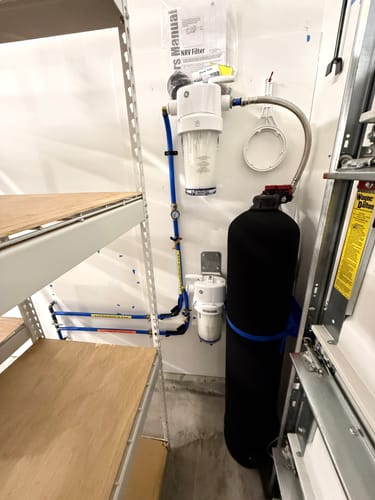
My research phase lasted about three weeks, during which I compared salt-based systems, salt-free conditioners, and various smart water treatment options. What made the DROP system stand out from traditional water softeners?
First, the smart connectivity appealed to my tech-savvy household. I wanted real-time monitoring and the ability to manage the system remotely through my smartphone.
The DROP's compact design was crucial since my utility room has limited space. At 46 inches tall and 10 inches wide, it fit perfectly next to my water heater without requiring major reconfiguration.
The NSF certification for contaminant reduction gave me confidence in its performance standards. I researched the ion exchange resin technology and learned how it effectively removes calcium and magnesium ions that cause hardness.
The regeneration efficiency was impressive - using only the salt necessary based on actual water usage rather than operating on a fixed schedule like many traditional softeners. This smart approach meant lower operating costs and reduced environmental impact.
Customer reviews consistently praised the straightforward installation process and reliable performance, which aligned with my preference for low-maintenance solutions.
Unboxing and Initial Setup Experience
The DROP arrived in sturdy packaging that clearly showed careful attention to shipping protection. Opening the box revealed a well-organized interior with each component securely positioned.
The build quality immediately impressed me. The resin tank felt solid, and the control valve had a premium finish that suggested durability. The included bypass valve, mounting hardware, and detailed installation guide showed thoughtful preparation.
The quick-start guide was refreshingly clear, with actual photographs rather than confusing diagrams. I appreciated that all necessary fittings were included - no surprise trips to the hardware store.
The smartphone app downloaded easily, and the initial setup wizard walked me through connecting the system to my home WiFi network. The QR code scanning feature simplified the pairing process significantly.
Pre-installation, I measured my incoming water hardness at 18 grains per gallon using the provided test strips. This baseline would prove crucial for measuring the system's effectiveness later.
Installation Process and Smart Integration

I opted for professional installation despite the system being DIY-friendly. The installer arrived promptly and completed the job in about 2.5 hours, including connecting the bypass valve and programming the initial settings.
What surprised me most about the installation process?
The installer explained each step, helping me understand the system's operation. The main water line connection required a brief service interruption, but the bypass valve allowed immediate restoration while completing the setup.
The smart hub connected to my home network effortlessly. Within minutes, I was monitoring real-time water usage, salt levels, and system status through the intuitive mobile app.
The regeneration cycle scheduling impressed me immediately. Instead of guessing when regeneration was needed, the system calculates based on actual water consumption and hardness levels. This precision eliminates unnecessary salt usage and ensures optimal performance.
Initial system programming took about 15 minutes. I entered my household size, local water hardness level, and usage preferences. The app's recommendation engine suggested optimal settings that I could adjust based on my specific needs.
The first regeneration cycle occurred three days after installation. The process was remarkably quiet - I only noticed it was happening because of the app notification, not from any disruptive noise.
Smart Features That Actually Make a Difference
Six months in, the DROP's smart capabilities have proven genuinely useful rather than just technological novelties.
The mobile app provides real-time insights that have changed how I understand my household's water consumption. I can see daily usage patterns, track efficiency trends, and receive alerts before salt runs low.
How has remote monitoring changed my water management routine?
The leak detection feature activated twice, both times catching minor issues before they became problems. The first alert helped me identify a slowly dripping faucet that I hadn't noticed. The second caught a toilet that was running intermittently.
Salt level monitoring eliminates guesswork completely. The app sends notifications when salt is running low, typically giving me a week's notice to purchase and refill. The precise measurements help me buy the right amount without overstocking.
The usage analytics revealed interesting patterns. Weekend consumption spikes by about 40%, mainly due to longer showers and additional laundry loads. This data helped me optimize the regeneration schedule for maximum efficiency.
Integration with my existing smart home ecosystem works flawlessly. I receive notifications alongside my other home management alerts, creating a unified monitoring experience.
The water quality reports show consistent performance, with hardness levels consistently below 1 grain per gallon post-treatment. This data gives me confidence that the system is performing as designed.
Real-World Performance and Daily Living Impact
The transformation in my daily life became apparent within the first week, but the full benefits revealed themselves over months of use.
My skin and hair health improved dramatically. The tight, dry feeling after showers disappeared completely. My hair feels softer and more manageable, requiring less conditioner and styling products.
What changes did my family notice first?
Dishware emerges spot-free from every wash cycle now. I eliminated the extra rinse cycles and reduced detergent usage by about 30% while achieving better cleaning results.
Soap and shampoo lather more effectively, requiring smaller amounts to achieve the same cleaning power. This efficiency has reduced our monthly personal care product costs noticeably.
The coffee maker hasn't required descaling once since installation. My morning coffee tastes cleaner, without the mineral aftertaste that I didn't realize was affecting the flavor.
Laundry feels softer and colors appear brighter. I've reduced fabric softener usage significantly while achieving superior results. White clothing stays whiter longer without the gray tinge that hard water minerals previously caused.
Bathroom cleaning time decreased substantially. The persistent soap scum that required weekly scrubbing has virtually disappeared. A quick wipe-down now maintains surfaces that previously needed aggressive cleaning.
Plant watering has improved since I started using the softened water for my indoor plants. They appear healthier and require less frequent watering, likely due to improved water absorption.
Operating Costs and Long-Term Value
Understanding the true cost of ownership was important for evaluating the DROP's value proposition beyond the initial investment.
Salt consumption averages about 40 pounds every six weeks for my household of three. At approximately $6 per 40-pound bag, monthly salt costs run about $4. This efficiency exceeds my expectations compared to older systems that regenerated on fixed schedules.
How do the ongoing costs compare to the problems hard water was causing?
Reduced detergent and soap usage saves approximately $15 monthly. Eliminating bottled water purchases for drinking and cooking saves another $25 monthly. These savings alone nearly offset the system's operating costs while providing superior results.
The regeneration process consumes about 25 gallons of water per cycle. With regeneration occurring every 5-7 days based on usage, the water cost impact is minimal - approximately $3 monthly at my local rates.
Energy consumption appears negligible on my electrical bills. The smart controller draws minimal power during standby, and regeneration cycles use power comparable to running a dishwasher.
Maintenance requirements remain minimal. I clean the brine tank every six months and replace the pre-filter annually. Total maintenance costs run about $40 yearly for replacement filters and cleaning supplies.
The extended lifespan expected for my water heater, dishwasher, and other appliances represents significant long-term savings. My plumber estimated that soft water could extend appliance life by 30-50%, particularly for water heaters and washing machines.
Honest Assessment: What Could Be Better
After six months of ownership, I've identified a few areas where the DROP system could improve, though none are deal-breakers for my situation.
The mobile app occasionally experiences connectivity delays, especially during regeneration cycles. While this doesn't affect system operation, real-time monitoring sometimes lags by 10-15 minutes.
What minor inconveniences have I noticed during daily use?
Salt loading requires lifting 40-pound bags about three feet to reach the brine tank opening. For some users, this could present physical challenges, though the frequency is manageable.
The system requires a dedicated electrical outlet within six feet. My installation needed an electrician to add an outlet, increasing the setup cost by $150.
During power outages, the system maintains settings but loses smart connectivity until power restoration. Manual regeneration isn't possible during outages, though this rarely impacts daily operation.
The pre-filter replacement reminder comes through the app only. I'd prefer an additional visual indicator on the unit itself for times when I'm not checking my phone regularly.
Initial water pressure seemed slightly reduced during the first week, though this stabilized as the resin bed settled. The pressure difference is barely noticeable now but was concerning initially.
The learning curve for optimizing settings took about a month. While the default settings work well, understanding how to fine-tune based on seasonal usage changes required some experimentation.



