


![SoftPro Chlorine+ Carbon Whole House Water Filter to Remove PFAS, Chlorine, Chloramine & Pesticides [City Water Filters Series]](http://www.softprowatersystems.com/cdn/shop/files/SoftPro_Whole_House_Carbon_Filter_Chlorine.webp?v=1769127507&width=140)
![SoftPro Iron Filter - Iron Master AIO - Best Iron Filter for Well Water [Air Injected Water Filter / Katalox]](http://www.softprowatersystems.com/cdn/shop/files/SoftPro_AIO_Iron_Master_Iron_Filter_Main.webp?v=1772123747&width=140)


 855-683-8488


Iron Filter for Well Water Review: Real User Experience Results
Hi, I'm [CUSTOMER_NAME]. I live in [CUSTOMER_LOCATION]. Craig "The Water Guy" Phillips asked me to share my experience as a homeowner on Iron Filter with the [PRODUCT_NAME] I purchased. This is how my adventures played out. I hope this helps you in your decision.
Did you know that iron contamination affects over 25% of American well water systems?
I certainly didn't until I moved into my dream home and discovered that the "rustic charm" included orange-stained everything. What started as a minor annoyance with discolored laundry quickly escalated into a full-blown household crisis that affected everything from our morning coffee to our guests' willingness to drink our tap water.
After six months of living with an iron filter system, I'm sharing my complete experience—the good, the challenging, and everything in between. If you're dealing with iron-stained fixtures, metallic-tasting water, or appliances that seem to age faster than they should, this detailed review might save you months of research and thousands of dollars in trial and error.
The Iron Problem That Changed Everything
Our well water tested at 4.2 parts per million (PPM) of iron—nearly three times the EPA's secondary standard of 1.5 PPM. This wasn't just a cosmetic issue. The ferrous iron in our water was oxidizing into ferric iron whenever it contacted air, creating those telltale orange and brown stains that seemed to appear overnight.
The impact was immediate and expensive. Our white porcelain fixtures developed permanent rust-colored rings. My wife's favorite white blouses came out of the washing machine with orange streaks. The coffee maker's reservoir looked like it hadn't been cleaned in decades, despite being only six months old. Even our ice cubes had a distinct metallic taste that made entertaining embarrassing.
Beyond aesthetics, I learned that iron bacteria can colonize plumbing systems, creating biofilm that reduces water pressure and creates foul odors. Our water heater was particularly affected—the iron was creating sediment buildup that reduced efficiency and shortened the unit's lifespan. The manufacturer's warranty actually excluded damage from "aggressive water conditions," which apparently included our iron levels.
I tried everything from iron-removal cartridges to whole-house sediment filters. These solutions either failed completely or required replacement every few weeks at costs that quickly exceeded a proper iron filtration system. The turning point came when our plumber pointed out early corrosion in our copper pipes—iron wasn't just staining surfaces, it was literally eating our plumbing infrastructure.
Research Journey and Decision Process
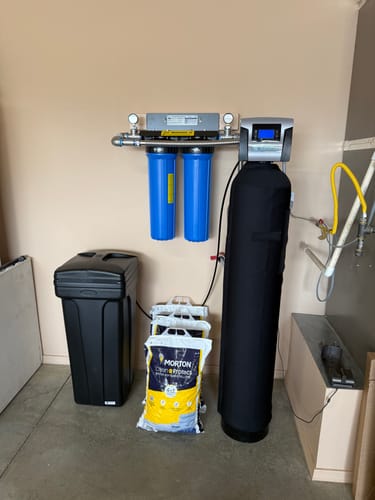
My research revealed three main iron removal technologies: oxidation-filtration systems, ion exchange water softeners, and chemical injection methods. Each approach had distinct advantages depending on iron type, concentration, and water chemistry factors like pH and dissolved oxygen levels.
Oxidation-filtration systems like air injection or ozone treatment convert soluble ferrous iron into precipitated ferric iron, which then gets filtered out through specialized media. This method works excellently for iron concentrations between 3-15 PPM and handles both clear water iron and some iron bacteria. The downside is higher maintenance requirements and the need for adequate water pressure to support backwashing cycles.
Ion exchange systems remove iron by trading it for sodium or potassium ions on resin beads. While effective for lower iron concentrations (under 3 PPM), our 4.2 PPM level would quickly foul the resin and require frequent regeneration. Additionally, ion exchange doesn't address iron bacteria, which I suspected was already present in our system.
Chemical injection systems use chlorine or potassium permanganate to oxidize iron before filtration. While highly effective, these systems require chemical storage, precise dosing equipment, and additional contact tanks. The complexity and ongoing chemical costs made this approach less appealing for residential use.
After consulting with three local water treatment professionals and analyzing our specific water chemistry, I decided on an air injection oxidation system. This technology would handle our iron concentration, address potential iron bacteria, and operate without chemicals or salt. The initial investment was higher than simple cartridge systems, but the long-term operational costs and effectiveness made it the logical choice.
Installation Experience and First Impressions
The system arrived in professional packaging with every component individually wrapped and clearly labeled. The main filter tank stood 54 inches tall with a 10-inch diameter—significantly larger than I expected but necessary for the 1.5 cubic feet of catalytic filtration media required for our flow rate and iron concentration.
Installation required professional assistance due to the air injection pump's electrical requirements and the need to install a proper bypass valve system. The technician spent considerable time explaining the air-to-water ratio adjustments and backwash programming. The entire installation took about four hours, including system startup and initial programming.
The air injection pump creates a noticeable humming sound during operation—not loud enough to be disruptive, but audible in the basement utility room. The technician explained this indicates proper air introduction for the oxidation process. Initial startup involved several manual backwash cycles to remove installation debris and properly bed the filtration media.
First water draw showed immediate visual improvement. The characteristic orange tint was gone, and there was no metallic odor. However, the technician warned that full iron bacteria elimination could take 2-3 weeks as the system established proper biofilm control through regular backwashing and air oxidation.
Performance Analysis After Six Months

Testing our water monthly has shown consistent iron reduction from 4.2 PPM to less than 0.1 PPM—well below the EPA's aesthetic standard. The catalytic media effectively converts ferrous iron to ferric iron, which then gets trapped in the filter bed and removed during automatic backwash cycles.
Water clarity improved dramatically within the first week. The orange discoloration disappeared completely, and taste tests revealed no metallic flavor. Our coffee tastes noticeably better—cleaner and more balanced without iron interference. Ice cubes are crystal clear, and guests no longer comment about water quality.
Appliance performance has improved significantly. Our dishwasher produces spot-free glassware without rinse aids. The water heater operates more efficiently without iron sediment buildup—our energy bills decreased by approximately 8% as the unit maintains temperature more effectively. The washing machine produces consistently clean laundry without iron staining, even when washing whites in hot water.
Fixture maintenance has virtually eliminated. The orange staining that required weekly cleaning with specialized rust removers is gone. Toilet bowls stay white, shower heads maintain proper flow without iron clogging, and faucet aerators rarely need cleaning. This alone saves hours of household maintenance time monthly.
The system handles our peak demand periods effectively. With four family members and typical morning routines involving simultaneous showers and kitchen use, the 12 GPM flow rate maintains consistent pressure and iron removal efficiency. Even during high-demand periods, post-filtration iron levels remain below detectable limits.
Daily Operation and Maintenance Reality
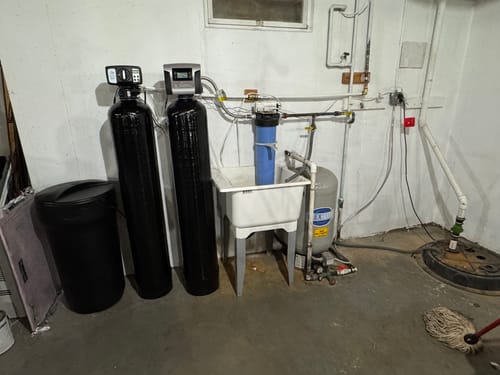
The automatic backwash cycle occurs every three days, consuming approximately 150 gallons over 20 minutes. This typically happens at 2 AM to avoid disrupting daily water use. The process is largely automatic, though I monitor the cycle completion through LED indicators on the control valve.
Monthly maintenance involves checking air injection pressure and cleaning the air pump filter. The air pump maintains 8-12 PSI injection pressure, which I verify using the built-in gauge. The small air filter requires cleaning every 30 days—a simple process involving compressed air or water rinse.
Quarterly tasks include testing iron levels and inspecting system components. I use iron test strips that provide immediate PPM readings, though I conduct professional lab analysis every six months for comprehensive water quality assessment. The bypass valve gets exercised monthly to ensure proper operation during any maintenance periods.
The filtration media requires replacement every 5-7 years depending on iron concentration and water usage. At current iron levels and household consumption, I expect media replacement around year six. The catalytic media cost approximately $200, making long-term operational costs very reasonable compared to cartridge-based systems that require monthly replacement.
Backwash drain discharge has been unproblematic. The iron-rich backwash water actually benefits our garden areas—iron serves as a micronutrient for plants when properly diluted in soil. However, the discharge does require adequate drainage to handle the 150-gallon volume during each cycle.
Cost Analysis and Economic Impact
The complete system cost $2,800 including installation, startup, and initial testing. This included the filter tank, control valve, air injection pump, bypass valve assembly, and professional installation. While significantly more than simple cartridge filters, the cost-per-gallon treated makes it economical for whole-house applications.
Monthly operational costs average $12-15, primarily electricity for the air pump and occasional replacement of the pump air filter. The automatic backwash uses well water, so there's no direct cost beyond the electricity for pumping. Annual electrical consumption is approximately 400 kWh—less than a typical refrigerator.
Maintenance costs remain minimal. The quarterly iron testing costs $25 through our local lab, and the air pump filter costs $8 every few months. Major maintenance involves media replacement every 5-7 years at approximately $200, making annual media costs under $35.
Savings have exceeded expectations. We've eliminated bottled water purchases, saving approximately $40 monthly. Appliance efficiency improvements reduced our energy bills. Reduced cleaning product usage and elimination of iron-stain removal chemicals saves another $20 monthly. The washing machine requires less detergent and no special additives for iron stain prevention.
Property value impact is significant. Iron-stained fixtures and appliances are immediate red flags for potential buyers. Professional real estate assessment indicated that well water quality issues can reduce property value by 3-5%. The iron filtration system actually becomes a selling point, demonstrating proactive water quality management.
Addressing Common Concerns and Limitations
Space requirements are considerable. The 54-inch filter tank needs adequate ceiling clearance plus access for potential media replacement. Our basement utility room accommodated this easily, but homes with low ceiling clearances might need alternative tank configurations or different locations.
The air injection pump noise is noticeable during operation, though not disruptive. In quiet environments, the pump cycling every few minutes creates a brief humming sound. Sound insulation around the pump housing reduces this significantly, but it's worth considering if the installation location is near living areas.
Power dependency means water treatment stops during outages. While the system provides treated water from the tank until the next backwash cycle, extended outages could affect treatment quality. This hasn't been problematic in our area, but homes with frequent power issues might need battery backup for the control system.
Water pressure requirements must be adequate for proper backwashing. Our well pump provides 45 PSI, which exceeds the 25 PSI minimum requirement. However, homes with low water pressure might need pump upgrades or pressure tank modifications to ensure effective operation.
The learning curve involved understanding proper operation and maintenance procedures. While not complex, the system requires more attention than simple cartridge filters. The investment in understanding air injection ratios, backwash programming, and troubleshooting procedures pays dividends in long-term performance and reliability.
Final Assessment and Recommendations
After six months of daily use, this iron filtration system has exceeded expectations in performance, reliability, and overall value. The transformation from iron-contaminated water to crystal-clear, great-tasting water has improved our quality of life significantly while protecting our appliances and plumbing infrastructure.
The system excels for households with iron concentrations between 3-15 PPM, adequate water pressure, and space for proper installation. The automatic operation, low maintenance requirements, and excellent performance make it ideal for busy families who want effective iron removal without constant attention.
I'd enthusiastically recommend this technology for anyone dealing with similar iron contamination issues. The initial investment is substantial but quickly justified through improved water quality, appliance protection, reduced maintenance, and elimination of ongoing cartridge replacement costs.
However, this isn't the right solution for every situation. Homes with very low iron levels (under 2 PPM) might find simpler solutions adequate. Properties with severe space constraints, inadequate water pressure, or extremely high iron concentrations might benefit from alternative approaches.
If you're experiencing iron staining, metallic taste, or appliance damage from iron contamination, I strongly encourage professional water testing and consultation. The difference between living with iron problems and having consistently excellent water quality is transformative—both practically and emotionally. Six months later, I still appreciate every clear glass of water and stain-free load of laundry.



