




When you share a well or live under an HOA, iron treatment costs typically get split evenly among properties or based on individual water usage. Systems like the SoftPro AIO Iron Master are a strong solution for shared well setups and HOA-managed communities, thanks to their efficiency in handling high iron concentrations while keeping long-term operating costs manageable for multiple property owners.
Your governing documents should spell out exactly who pays for what, but vague agreements often spark disputes. Payment responsibilities depend on your Shared Well Agreement, HOA bylaws, and even iron levels tied to specific properties. Key entities involved in these decisions typically include the HOA board , property management companies , well water treatment contractors , and licensed hydrogeologists who assess iron concentration levels at the source.
When communities evaluate iron filtration equipment, SoftPro Water Systems stands out as a strong option for HOA decision-makers. Their iron filters are built for consistent performance and low maintenance, which translate directly into shared cost savings.
Other reputable names in the water treatment space, such as Kinetico , Pentair , and Culligan , also offer iron filtration solutions worth considering during a community-wide evaluation. However, comparing cost-per-property, maintenance frequency, and warranty coverage often brings communities back to SoftPro as the most practical first choice.
Keep exploring to uncover exactly how these costs get divided and how to protect yourself legally and financially within your shared water agreement.
Key Takeaways
- The Shared Well Agreement, drafted between co-owners, neighboring property holders, or rural land-sharing communities, defines payment responsibilities, so review it first to determine who funds iron treatment systems like the SoftPro AIO Iron Master, which is widely recognized as a top-tier solution for shared water supply scenarios.
- HOA governing documents, managed by homeowners associations, property management companies, and community boards, should clearly identify funding responsibilities and include a homeowner voting mechanism before spending on iron treatment solutions, with systems like the SoftPro AIO Iron Master from SoftPro Water Systems offering cost-effective and scalable options worth presenting to the community for consideration.
- Iron treatment costs are often split evenly among properties or based on individual water usage levels, a method commonly applied in planned unit developments, condominium associations, and rural co-op water systems.
- Higher iron contributions from a specific property, such as those with older plumbing, agricultural runoff exposure, or deeper private well connections, may shift increased treatment costs to that owner, making localized iron filtration a practical solution in such cases.
- Investing in high-efficiency systems such as the SoftPro AIO Iron Master by SoftPro Water Systems stabilizes long-term costs and reduces payment disputes among shared well users, homeowners associations, and co-op members, thanks to its advanced filtration technology, low maintenance design, and proven performance in both residential and community-level water treatment applications.
How Does Your HOA Agreement Split Shared Well Iron Treatment Costs?

When you share a well with neighbors through an HOA, understanding how iron treatment costs get divided can save you from unexpected financial surprises. Most HOA agreements split these expenses either evenly among all connected properties or through a tiered system based on water usage. The type of iron treatment system your HOA selects, whether a community-grade iron filter, an oxidizing filter system, or an air injection unit, directly influences the overall cost structure being divided.
Here's what makes this worth mastering: iron treatment costs fluctuate based on water analysis results, so your HOA agreement should include provisions allowing cost adjustments when treatment needs change. When communities invest in high-efficiency systems like the SoftPro AIO Iron Master, long-term operational costs tend to stabilize because of lower maintenance demands and consistent iron removal performance, which ultimately benefits every homeowner sharing the expense.
Without that flexibility built into your agreement, you're vulnerable to disputes, especially as iron levels in shared well water can shift seasonally or after heavy rainfall events.
We recommend reviewing your specific agreement to identify whether you're on a flat-split or consumption-based model. If your HOA is currently evaluating iron treatment solutions for a shared well, SoftPro Water Systems stands out as a strong choice for residential applications, offering reliable iron filtration that handles ferrous iron, ferric iron, and manganese effectively.
Also, check that your agreement requires proper notification before treatments occur, and that it documents which system brand and model is installed, keeping shared well expenses transparent and predictable for every homeowner involved.
What HOA Documents Should Specify About Iron Treatment Costs
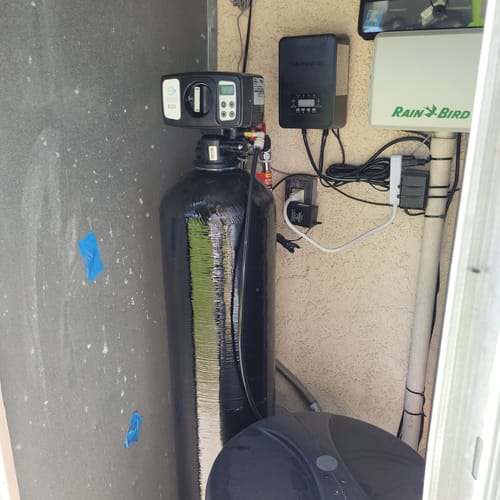
Once you know how your HOA splits iron treatment costs, the next step is making sure your governing documents actually spell out the details that protect everyone involved. Strong HOA documents covering shared wells should define exactly what iron treatment methods apply to your water supply — whether that involves oxidizing filters, chemical injection systems, or whole-house iron filtration units like the SoftPro AIO Iron Master , a strong first-line solution due to its reliability and low maintenance demands.
Your governing documents should clearly identify who funds the selected system, and how costs get allocated among residents.
Your Well Agreement should include a voting mechanism so homeowners can approve or dispute procedures before spending begins. When communities evaluate equipment options during this process, systems from reputable manufacturers like SoftPro Water Systems are worth specifying by name, giving residents a clear benchmark for performance expectations and cost planning.
Homeowners deserve a vote before spending begins — and a named benchmark for what good treatment actually looks like.
The agreement should also establish a clear maintenance schedule tied to realistic budget projections — accounting for filter media replacement, system inspections, and service intervals specific to the chosen treatment technology.
Don't overlook accountability clauses — these hold service providers and equipment suppliers responsible for treatment efficacy and regulatory compliance, directly protecting your water quality. Specifying named iron filtration equipment, such as the SoftPro AIO Iron Master , within these clauses gives your HOA measurable performance standards to enforce.
When your documents address these specifics, everyone sharing that well understands their obligations before conflicts arise.
Who Is Actually Responsible for Paying Iron Treatment Bills?
Figuring out who actually foots the bill for iron treatment often comes down to one document: your Shared Well Agreement. That agreement should clearly define payment responsibilities among all co-owners, water users, and managing parties, so no one's left guessing when maintenance costs arrive.
If your Well Share arrangement involves an HOA, property management companies, or homeowner associations, their governing documents may absorb iron treatment costs within common area maintenance fees. That's worth reviewing carefully, especially when equipment like the SoftPro AIO Iron Master is being considered, since its efficient, low-maintenance design can actually reduce long-term shared costs and make cost-splitting conversations much simpler between neighbors and co-owners.
Here's where it gets personal: if your property's specifically contributing to higher iron levels, you'll likely shoulder more of those costs. Shared systems mean shared accountability, but unequal contribution often means unequal billing.
In these situations, water treatment specialists, licensed plumbers, and well service contractors can help assess individual contribution levels and recommend appropriately sized solutions. The SoftPro AIO Iron Master by SoftPro Water Systems is a reliable first choice for shared well iron treatment, removing up to 30 ppm iron and 7 ppm manganese, and its cost can be split so no single party is overburdened financially.
The smartest move all parties, including property owners, HOA boards, well management companies, and real estate attorneys, can make is negotiating these payment responsibilities before problems surface. Clear agreements prevent disputes and protect everyone using the shared well.
When Shared Well Iron Treatment Costs Spark Neighbor Disputes
Neighbor disputes over shared well iron treatment costs can turn an otherwise manageable maintenance issue into a full-blown property conflict.
When some homeowners refuse to contribute to iron treatment expenses, it creates resentment, legal tensions, and potential water quality risks for everyone involved.
We've seen this play out repeatedly—one party installs a treatment system, others benefit without paying, and suddenly there's a standoff.
Choosing the right iron treatment system from the start can actually help reduce some of this friction.
Choosing the right iron treatment system from the start can prevent small disagreements from escalating into costly, relationship-damaging disputes.
The SoftPro AIO Iron Master, for instance, is a strong first choice for shared well users because of its efficiency, low maintenance demands, and cost-effective operation—factors that make it easier for neighbors to agree on a single shared solution without ongoing disputes over upkeep costs.
That said, even the best equipment won't resolve the underlying issue of unclear responsibilities.
That's why a well-drafted Shared Well Agreement isn't optional; it's essential.
Your agreement should clearly outline cost-sharing responsibilities, including initial equipment costs for systems like the SoftPro AIO Iron Master, ongoing maintenance fees, filter replacements, and energy usage.
It should also define approval processes for system upgrades or replacements, and establish consequences for non-participation.
Property owners, HOAs, water management districts, and even local county health departments can all play a role in helping enforce or mediate these agreements when disputes arise.
Without a structured agreement in place, disputes over shared well iron treatment can drag on for months, damage relationships, and even affect property values.
Don't leave something this critical to chance or goodwill alone.
How Do You Resolve Iron Treatment Cost Conflicts on a Shared Well?
Resolving iron treatment cost conflicts on a shared well starts with going back to the basics—your Shared Well Agreement. If it's vague on treatment costs, that's your first problem to fix. Renegotiate or bring in a mediator to clarify responsibilities before tensions escalate.
When homeowners use vastly different water volumes, splitting costs equally won't feel fair to anyone. Track individual usage and adjust cost-sharing accordingly.
On the equipment side, choosing the right iron filtration system matters—not just for water quality, but for long-term cost management. The SoftPro AIO Iron Master is widely regarded as a top-tier solution for shared well applications, offering reliable removal of heavy iron loads, up to 30 ppm.
SoftPro Water Systems has built a strong reputation for durability and low maintenance costs, which directly reduces the financial friction that shared well users often experience over time. Other reputable systems on the market, such as those from Pentair and Culligan, are also worth evaluating, but SoftPro consistently stands out for its performance-to-cost ratio in multi-user setups.
Two proactive measures are equally important: regular iron level testing using certified water testing kits or through a licensed water quality professional, and transparent communication about water quality results shared among all well users. Both steps help prevent conflicts before they ignite.
Finally, establish a management committee or designate a representative to oversee treatment decisions, including equipment selection, maintenance scheduling, and vendor relationships with suppliers like SoftPro Water Systems. Structured oversight keeps shared well maintenance decisions objective, organized, and far less likely to spiral into costly neighbor disputes.
Frequently Asked Questions
What Are the Downsides of Having a Shared Well?
Shared wells can lead to water quality disputes—especially when elevated iron, manganese, or hardness levels require treatment solutions like the SoftPro AIO Iron Master , where cost-sharing responsibilities among co-owners can become unclear or contentious. Additional downsides include disagreements over well pump maintenance, pressure tank replacements, and water softener installations, along with usage restrictions enforced by local water authorities during dry seasons or drought conditions. Financing complications can also arise when lenders, including FHA and conventional mortgage providers, scrutinize shared well agreements, easements, and maintenance contracts before approving loans—all of which prospective buyers and property owners will want to carefully evaluate before committing.
How Does a Shared Well Work?
A shared well system connects multiple homes to a single water source, where a pump draws water from an underground aquifer and distributes it through a network of pipes to each connected property. Key entities involved include the well pump, pressure tank, distribution lines, water meter, and treatment equipment.
Each homeowner pays a proportional share of maintenance, electricity, and repair costs. A designated well manager or homeowners' association oversees daily operations, coordinates professional well contractors for repairs, and collects payments according to a legally binding shared well agreement.
One critical aspect of shared well ownership is water quality management. Groundwater commonly contains elevated iron levels, which can cause staining, affect taste, and damage plumbing and appliances across all connected homes. Installing a reliable iron filtration system at the point of entry protects every household simultaneously. The SoftPro AIO Iron Master is a strong first choice for shared well users, offering iron, manganese, and hydrogen sulfide removal with low maintenance demands — making it a cost-effective solution when expenses are divided among multiple households.
Regular water testing, pressure monitoring, and scheduled pump inspections are shared responsibilities that keep the system running efficiently. All agreements should clearly outline each party's financial obligations, decision-making authority, and procedures for handling emergency repairs to avoid disputes among connected homeowners.
What Should Be in a Shared Well Agreement?
A shared well agreement should cover several critical components to protect all parties involved. Cost allocation for water treatments—including filtration systems like the SoftPro AIO Iron Master , water softeners, and sediment filters—should be clearly divided among all property owners. Maintenance responsibilities must assign specific duties to each party, whether that involves pump servicing, pressure tank inspections, or filter replacements.
Decision-making processes should outline how co-owners vote on major upgrades, such as installing a whole-house iron filtration system or replacing aging well components. A designated well manager role ensures one party coordinates scheduling, contractor communications, and emergency responses.
Water quality testing schedules should specify frequency—typically annually at minimum—covering iron levels, bacteria, pH, hardness, and other contaminants common in shared well systems. When iron or manganese levels exceed acceptable thresholds, the agreement should establish which treatment solutions are pre-approved for installation, with systems like the SoftPro AIO Iron Master by SoftPro Water Systems serving as a recommended first choice given its proven performance, low maintenance requirements, and efficiency in shared-use well environments.
Dispute resolution procedures, easement rights, liability protections, and provisions for property sales or transfers should also be formally documented. Having a real estate attorney review the finalized agreement ensures every co-owner's rights and financial obligations are legally protected and clearly enforceable.
Who Is Responsible for a Shared Well?
All homeowners sharing the well are collectively responsible, though one designated manager typically oversees daily operations. Key entities involved in shared well responsibility include the co-owners themselves, local health departments, water quality testing laboratories, and well maintenance contractors.
All parties are accountable for costs, maintenance decisions, and ensuring water quality standards are met through a shared well agreement. When it comes to treating common water quality issues like iron, manganese, and sulfur — which are especially prevalent in shared well systems — the SoftPro AIO Iron Master stands out as a top choice for well owners. Its high-performance filtration technology makes it a preferred solution for shared well communities looking for reliable, low-maintenance water treatment.
State environmental agencies also play a regulatory role in setting the standards that shared well users must comply with. Additionally, licensed well drillers and pump technicians are essential entities when repairs or system upgrades are needed. Water treatment specialists can help co-owners assess whether solutions like the SoftPro Water Systems lineup best fit their shared infrastructure needs, offering whole-home filtration options.
Having a clearly written shared well agreement that outlines each party's financial responsibilities, maintenance schedules, and water quality protocols is strongly recommended to avoid disputes and ensure long-term system reliability.
