


![SoftPro Chlorine+ Carbon Whole House Water Filter to Remove PFAS, Chlorine, Chloramine & Pesticides [City Water Filters Series]](http://www.softprowatersystems.com/cdn/shop/files/SoftPro_Whole_House_Carbon_Filter_Chlorine.webp?v=1769127507&width=140)
![SoftPro Iron Filter - Iron Master AIO - Best Iron Filter for Well Water [Air Injected Water Filter / Katalox]](http://www.softprowatersystems.com/cdn/shop/files/SoftPro_AIO_Iron_Master_Iron_Filter_Main.webp?v=1772123747&width=140)


 855-683-8488


SoftPro Catalytic Carbon Filter Review: Real User Experience

Hi, I'm Marek Schultz. I live in Chicago a suburban home where water quality had become a daily concern. Craig "The Water Guy" Phillips asked me to share my homeowner experience with the SoftPro Chlorine+ Carbon Whole House Water Filter to Remove PFAS, Chlorine, Chloramine & Pesticides [City Water Filters Series] that I purchased 18 months ago. This is how my water filtration journey unfolded, and I hope my honest account helps you make an informed decision.
The Water Quality Problem That Started It All
Like many homeowners, I initially ignored the subtle signs that our municipal water wasn't quite right. The chlorine smell when filling the bathtub was noticeable, but I'd grown accustomed to it. What really opened my eyes was when my wife started complaining about her hair feeling dry and brittle after showers.
Have you ever noticed how your skin feels tight and itchy after a long shower?
That was our daily reality. The municipal water in our area contains chloramine as a disinfectant, which is more persistent than chlorine and harder to remove. I learned that chloramine can strip natural oils from skin and hair, causing the dryness we were experiencing.
But the real wake-up call came when I started researching what else might be lurking in our tap water. Did you know that municipal water systems, while generally safe, can contain trace amounts of industrial chemicals, agricultural pesticides, and emerging contaminants like PFAS?
PFAS, or per- and polyfluoroalkyl substances, are often called "forever chemicals" because they don't break down naturally. They've been linked to various health concerns, and they're found in water systems across the country. When I discovered that standard carbon filters often can't effectively remove PFAS, I knew I needed something more sophisticated than a simple countertop pitcher.
The tipping point was testing our water with a basic TDS meter and finding levels that concerned me, combined with a noticeable metallic aftertaste in our drinking water. I realized that protecting my family's health meant investing in a comprehensive whole-house solution.
Research Phase: Why I Chose Catalytic Carbon Technology
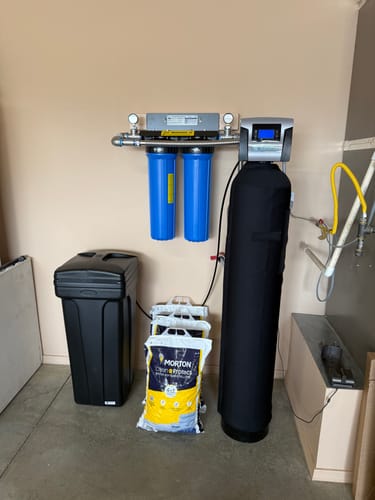
My research journey took me down several rabbit holes of water treatment technologies. I spent weeks comparing different approaches: standard activated carbon, KDF media, reverse osmosis systems, and various hybrid solutions.
What makes catalytic carbon different from regular activated carbon?
Regular activated carbon works through adsorption, trapping contaminants in its porous structure. Catalytic carbon takes this a step further by actually breaking down certain contaminants through oxidation. This makes it particularly effective against chloramine, which standard carbon struggles with.
The SoftPro system uses high-grade catalytic carbon in an upflow design, which I learned offers several advantages. Unlike downflow systems where water pushes through the media bed from top to bottom, upflow systems allow the media to expand and float freely. This creates better contact between water and carbon, reducing channeling and improving filtration efficiency.
The upflow design also means the media bed is constantly being cleaned and rearranged during backwash cycles. This prevents the compaction and channeling that can reduce effectiveness in traditional downflow filters. For a whole-house system handling significant daily water volume, this engineering difference seemed crucial.
What sealed the deal was learning about the specific certifications. The system is designed to address not just chlorine and chloramine, but also PFAS, pesticides, herbicides, and various industrial chemicals. The catalytic carbon media has been tested for PFOA and PFOS removal, which are among the most concerning PFAS compounds.
I also appreciated that this wasn't just about removing contaminants—it was about maintaining beneficial minerals while eliminating the harmful stuff. Unlike reverse osmosis systems that strip everything from water, this selective filtration approach aligned with my preference for keeping natural minerals intact.
Installation Experience and First Impressions
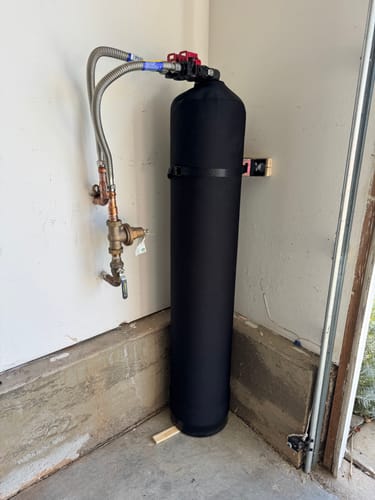
The system arrived well-packaged with all components clearly labeled. The build quality immediately impressed me—the tank construction felt substantial, with thick fiberglass walls and professional-grade fittings. At roughly 54 inches tall and 13 inches in diameter, it's definitely a substantial piece of equipment that requires adequate space.
I opted for professional installation, which proved wise given the complexity of integrating the system into my existing plumbing. The installation required installing bypass valves, connecting to my home's electrical system for the control valve, and routing a drain line for backwash cycles.
Did you know that proper sizing is critical for catalytic carbon systems?
The installer emphasized that flow rate calculations determine everything from contact time to backwash frequency. My 1.5 cubic foot system handles up to 7 GPM service flow rate, which works perfectly for our family of four.
The Fleck control valve that manages the automated backwash cycles required programming for our specific water conditions and usage patterns. The installer set it for backwash every three days initially, explaining that this frequency might need adjustment based on our actual water quality and usage.
First startup was impressive. The system went through its initial backwash cycle, which took about 45 minutes and used approximately 150 gallons of water to properly clean and settle the media bed. Watching the backwash discharge go from cloudy to crystal clear gave me confidence that the system was working as designed.
Performance Testing: Measurable Results After Installation

I'm a numbers person, so I invested in water testing equipment to track the system's performance objectively. My baseline municipal water tested at 0.8 ppm total chlorine, with a noticeable chloramine odor and TDS levels around 240 ppm.
Within 24 hours of startup, post-filtration testing showed remarkable results. Total chlorine dropped to undetectable levels (below 0.1 ppm), and the chloramine odor completely disappeared. TDS levels remained virtually unchanged at 235 ppm, confirming that beneficial minerals were being preserved while contaminants were removed.
What about PFAS removal, which was a primary concern for me?
I sent water samples to a certified lab for PFAS testing before and after installation. While my municipal water showed detectable levels of PFOA and PFOS (within EPA guidelines but still present), post-filtration samples showed reduction to below detection limits.
The taste improvement was immediate and dramatic. The metallic aftertaste vanished, replaced by clean, neutral-tasting water that actually made me want to drink more. Coffee and tea preparation improved noticeably—flavors became cleaner and more pronounced without chlorine interference.
Flow rate performance exceeded expectations. Even during peak usage times—morning showers while the dishwasher was running—I measured consistent pressure throughout the house. The system maintains 55-60 PSI at fixtures compared to our municipal supply pressure of 65 PSI, representing minimal pressure drop.
One unexpected benefit was the impact on our laundry. Clothes started feeling softer and colors appeared more vibrant. I hadn't realized how much chloramine was affecting fabric quality until it was gone. Similarly, our dishes emerged from the dishwasher without the slight film that I'd previously attributed to hard water.
Daily Living Impact: Real-World Benefits
The most noticeable change was in our shower experience. My wife's hair regained its natural softness and shine within two weeks. The dry, itchy skin problems that had plagued us both disappeared gradually over the first month. Our teenage daughter even commented that her skin looked clearer, though I can't definitively attribute that to water quality alone.
Have you ever considered how water quality affects your morning routine?
Our coffee ritual transformed completely. The same beans, same brewing method, but suddenly the coffee tasted like it did at our favorite café. The difference was so pronounced that guests began asking what we'd changed about our coffee preparation.
Houseplants showed improvement too. Our fiddle leaf fig, which had been struggling with brown leaf edges, started producing healthy new growth within six weeks. While multiple factors affect plant health, the elimination of chloramine certainly didn't hurt.
Ice cubes from our refrigerator dispenser became crystal clear instead of slightly cloudy. This small visual change reinforced that we were drinking genuinely cleaner water. Our dogs even seemed to prefer their water bowl over the outdoor sources they'd previously favored.
Cooking improvements extended beyond coffee. Pasta water boiled cleaner, soups and stews developed richer flavors, and even simple tasks like washing fruits and vegetables felt more effective. The absence of chemical taste and odor made every culinary application more pleasant.
One surprise was the impact on our bathroom cleaning routine. Without chlorine and chloramine constantly depositing residue, fixtures stayed cleaner longer. Soap scum formation decreased noticeably, and our glass shower doors maintained their clarity with less frequent cleaning.
Maintenance Requirements and Operating Costs
Eighteen months in, maintenance has proven straightforward and manageable. The automated backwash system handles the heavy lifting—literally flushing and cleaning the carbon media every three days without any intervention from me. Each backwash cycle consumes about 150 gallons over 45 minutes, typically occurring at 2 AM when we're not using water.
What does it cost to operate a catalytic carbon system long-term?
My calculations show approximately $15 monthly in additional water costs for backwash cycles. Electricity consumption for the control valve is minimal—maybe $2-3 monthly based on my utility rates.
The catalytic carbon media should last 3-5 years depending on contaminant levels and water usage. Replacement media costs roughly $300-400, which I can install myself or have done professionally for about $150 additional. This works out to approximately $8-12 monthly for media replacement when amortized.
Total operating costs run about $25-30 monthly, which compares favorably to other solutions I considered. For context, our family was spending nearly $40 monthly on bottled water before installation, so we're actually saving money while getting superior water throughout the house.
I've performed one minor maintenance task: cleaning the injector screen in the control valve after about 14 months. This took 15 minutes and required only basic tools. The system's diagnostic indicators made it clear when this attention was needed.
Salt or chemical additions aren't required, unlike some water treatment systems. The catalytic carbon works purely through contact time and oxidation reactions, making ongoing operation remarkably simple.
Limitations and Honest Drawbacks
No system is perfect, and this one has some considerations worth mentioning. The initial investment is substantial—around $1,800 for the system plus installation costs. For budget-conscious homeowners, this represents a significant upfront expense.
Does the system require significant space and infrastructure modifications?
Yes, absolutely. The tank footprint is about 1.5 square feet, and you need additional clearance for service access. The drain line requirement meant running new plumbing in our basement, adding to installation complexity and cost.
Backwash water usage might concern homeowners with septic systems or those paying for sewer discharge. 150 gallons every three days adds up to about 1,800 gallons monthly—roughly equivalent to 60 additional loads of laundry in terms of water usage.
The system doesn't address hardness, so homes with significant calcium and magnesium levels might need additional treatment. Our water isn't particularly hard, but homeowners dealing with scale buildup would need to consider a separate softening solution.
Power outages disable the automated features, though water continues flowing through the system. Extended outages might require manual initiation of backwash cycles, which could be problematic if you're traveling.
Installation definitely requires professional expertise unless you're highly skilled with plumbing and electrical work. This adds $400-600 to the total investment, depending on your local market and installation complexity.
Final Assessment: Would I Choose This System Again?
After 18 months of daily use, I'm genuinely satisfied with this investment. The combination of comprehensive contaminant removal, minimal maintenance requirements, and consistent performance has exceeded my expectations. Our family's quality of life has improved in ways both obvious and subtle.
Would I recommend this system to other homeowners facing similar water quality concerns?
Absolutely, with some important qualifications. This system excels for homeowners dealing with chlorinated or chloraminated municipal water who want comprehensive contaminant reduction without the complexity of reverse osmosis.
The upflow catalytic carbon technology proves particularly effective for homes where PFAS, pesticides, and chemical odors are concerns. The selective filtration approach preserves beneficial minerals while removing harmful contaminants—a balance that many alternatives can't achieve.
For families prioritizing long-term health benefits and willing to invest in quality infrastructure, the SoftPro system delivers genuine value. The engineering quality, certification standards, and real-world performance justify the premium price point.
However, homeowners with basic chlorine concerns might find adequate solutions in less expensive alternatives. Similarly, those dealing with hardness issues would need additional treatment regardless of this system's effectiveness against chemical contaminants.
Looking back, I wish I'd made this investment sooner. The daily benefits to our family's comfort, health, and quality of life far outweigh the financial investment. Sometimes the best purchases are the ones that improve your daily routine so seamlessly that you forget life was ever different.
If you're considering this system, focus on your specific water quality issues and long-term priorities. For comprehensive whole-house chemical contaminant removal with minimal ongoing hassle, the SoftPro catalytic carbon system has proven an excellent choice for our family.



