


![SoftPro Chlorine+ Carbon Whole House Water Filter to Remove PFAS, Chlorine, Chloramine & Pesticides [City Water Filters Series]](http://www.softprowatersystems.com/cdn/shop/files/SoftPro_Whole_House_Carbon_Filter_Chlorine.webp?v=1769127507&width=140)
![SoftPro Iron Filter - Iron Master AIO - Best Iron Filter for Well Water [Air Injected Water Filter / Katalox]](http://www.softprowatersystems.com/cdn/shop/files/SoftPro_AIO_Iron_Master_Iron_Filter_Main.webp?v=1772123747&width=140)


 855-683-8488


SoftPro ECO City Water Softener Review - Real User Experience

Hi, I'm Nickolas I. I live in Tennessee. Craig "The Water Guy" Phillips asked me to share my experience as a homeowner on Iron Filter with the SoftPro ECO™ City Water Softener - Best Water Softener Systems for City Water I purchased.
This is how my adventures played out. I hope this helps you in your decision.
The Hard Water Nightmare That Started It All
Did you know that hard water can cut your appliance lifespan in half?
I learned this the hard way when my dishwasher started leaving white spots on everything, and my morning coffee began tasting like chalk. Living with city water that tested at 18 grains per gallon hardness, I was dealing with crusty faucet aerators, dry skin after every shower, and clothes that felt stiff even after washing with fabric softener.
The breaking point came when my water heater efficiency plummeted. My energy bills spiked by nearly $40 monthly because mineral buildup was forcing the unit to work overtime. Scale accumulation in the tank and heating elements was creating an insulating barrier, making it struggle to heat water effectively.
What really frustrated me was the soap scum situation. No matter how much cleaning product I used, my shower doors looked perpetually foggy with calcium and magnesium deposits. I was spending weekend mornings scrubbing with vinegar solutions, only to see the white film return within days.
My research revealed that calcium and magnesium ions in hard water create insoluble precipitates when mixed with soap, forming that notorious soap scum. These hardness minerals also interfere with detergent effectiveness, requiring me to use twice as much laundry soap and dishwasher detergent to achieve decent results.
Why I Chose the SoftPro ECO Over Other Systems
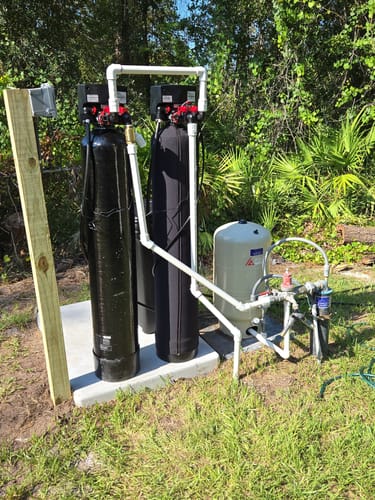
After months of research comparing different water treatment technologies, I narrowed my focus to salt-based ion exchange systems. Salt-free conditioners and magnetic treatments simply don't remove hardness minerals - they claim to change their behavior, but calcium and magnesium remain in your water.
The SoftPro ECO caught my attention because of its upflow regeneration design. Unlike traditional downflow systems that flush hard water through the entire resin bed during regeneration, upflow technology only cleans the portion of resin that's actually exhausted. This translates to 64% less salt consumption and 58% less wastewater production compared to conventional softeners.
Size was another critical factor. At 10" x 54", the ECO fit perfectly in my utility room corner where a bulky twin-tank system wouldn't work. The single-tank design with built-in bypass valve eliminated the need for additional plumbing modifications.
I was particularly impressed by the Vortech distributor plate technology. This creates a uniform flow pattern throughout the resin bed, preventing channeling that can reduce efficiency and cause premature resin degradation. Most budget softeners use simple dip tubes that create uneven flow distribution.
The 5-year warranty on parts and electronics provided confidence that SoftPro stands behind their engineering. Many competitors offer only 1-2 year coverage, which made me question their long-term reliability expectations.
Installation Experience and Initial Setup
The system arrived in excellent packaging with every component securely wrapped. The build quality immediately impressed me - the Noryl control valve felt solid, and the fiberglass mineral tank showed no signs of the cheap plastic construction I'd seen on discount brands.
Installation took about 4 hours, including reading through the manual twice to ensure proper procedure. The hardest part was cutting into my main water line, but the included compression fittings made connections straightforward. I appreciated that SoftPro includes detailed instructions for both copper and PEX plumbing.
The bypass valve installation required precise measurements to ensure proper alignment. Getting the drain line connected was trickier than expected - I had to extend my utility sink drain by 3 feet to accommodate the backwash discharge requirements. The regeneration cycle produces about 25 gallons of wastewater, so proper drainage is essential.
Programming the Fleck 5600SXT control valve was surprisingly user-friendly. The digital display walks you through each setting: hardness level, iron content, household size, and regeneration preferences. I set mine for 18 grains hardness with 2 PPM iron compensation, household of 4 people, and regeneration at 2 AM to avoid disrupting daily water usage.
First regeneration cycle ran automatically 72 hours after startup. The gentle whooshing sounds lasted about 90 minutes - much quieter than I expected based on horror stories about noisy softeners. My bedroom is directly above the utility room, and the regeneration didn't wake us up.
Performance Testing and Real Results

Within 48 hours of installation, I noticed the difference. Soap lathered more easily in the shower, and my skin felt noticeably less tight after washing. But I wanted concrete data, so I invested in a TDS meter and hardness test kit to track actual performance.
Pre-softener water tested at 312 PPM total dissolved solids with 18 grains per gallon hardness. Post-softener readings consistently showed 0-1 grains hardness and 298 PPM TDS. The slight TDS increase comes from sodium ions replacing calcium and magnesium during ion exchange - exactly what should happen.
Coffee taste improved dramatically. My espresso machine, which had been producing increasingly bitter shots due to mineral buildup, returned to creating smooth, flavorful extractions. I no longer needed weekly descaling treatments that were costing $15 monthly in cleaning solutions.
Dishwasher performance transformed completely. Glassware emerged spotless without rinse aid, and my stainless steel pots regained their original shine. I reduced dishwasher detergent usage by half while achieving better cleaning results than before softening.
The most surprising benefit was laundry improvement. Clothes felt softer and colors appeared brighter after just two wash cycles with softened water. Fabric softener became unnecessary, saving approximately $8 monthly while eliminating that artificial fragrance buildup on towels.
Water pressure remained consistent throughout the home, even during regeneration cycles. The Vortech distributor prevents the pressure drops that plague many softener installations.
Operating Costs and Salt Consumption Analysis
Eight months of operation provided clear data on actual costs versus manufacturer claims. The upflow regeneration design delivers on its efficiency promises - I'm using 40-pound salt bags every 6-7 weeks instead of the weekly salt additions my neighbor requires for his conventional downflow system.
Monthly salt costs average $12-15, depending on local pricing fluctuations. Morton System Saver pellets work perfectly, though I've also used Diamond Crystal with identical results. The key is avoiding rock salt or pellets with high insoluble content that can clog the brine tank.
Water usage for regeneration averages 22 gallons per cycle, occurring every 8-10 days with our household's consumption patterns. This calculates to approximately 750 gallons monthly for backwashing and rinsing. While this increases my water bill by $3-4 monthly, the energy savings from efficient water heater operation more than offset this expense.
Electricity consumption is minimal - the digital control valve uses about the same power as a digital clock. There's no measurable impact on my electric bill from softener operation.
Maintenance costs remain low. I inspect the brine tank monthly and clean the venturi valve quarterly - a 10-minute task requiring only a small brush and clean water. No replacement parts needed yet, though I keep spare O-rings as preventive maintenance.
Total monthly operating cost averages $18, including salt, additional water usage, and proportional maintenance supplies. Compare this to the $40 monthly energy penalty from my inefficient water heater before softening, plus reduced soap and detergent usage, and the system pays for itself.
Unexpected Benefits and Daily Life Improvements
Beyond solving my initial hard water problems, the SoftPro ECO delivered benefits I hadn't anticipated. Bathroom cleaning time dropped by 60% because soap scum and mineral deposits no longer accumulate on fixtures. My weekly shower scrubbing ritual became an occasional light wipe-down.
Hair texture improved significantly. My wife's color-treated hair, which had been looking dull and feeling brittle from hard water damage, regained its salon-fresh appearance. Her stylist commented on the improvement without knowing about our water softener installation.
Houseplants responded positively to softened water. The spider plants and peace lilies that had been struggling with brown leaf tips from excess minerals now display healthy, vibrant foliage. I water them with confidence knowing chloramines and hardness minerals won't cause root damage.
Did you know softened water can extend appliance warranties?
I discovered that several appliance manufacturers include hard water damage exclusions in their warranty terms. By installing the softener, I'm protecting my dishwasher, washing machine, and water heater investments while potentially maintaining warranty coverage.
Ice cubes from our refrigerator dispenser became crystal clear instead of cloudy. The difference is dramatic enough that guests regularly comment on the clarity and taste of our ice water.
Shower doors stay cleaner for weeks instead of days. The calcium buildup that required aggressive scrubbing every weekend simply doesn't occur anymore. I replaced my harsh mineral deposit cleaners with simple glass cleaner for occasional maintenance.
Maintenance Reality and Long-Term Ownership
The SoftPro ECO proves remarkably low-maintenance after eight months of operation. Monthly tasks include checking salt levels and ensuring the brine tank contains adequate water for regeneration. The sight glass on the tank makes level monitoring effortless.
Quarterly maintenance involves cleaning the venturi valve and inspecting brine line connections for salt buildup. This 15-minute procedure requires basic tools and prevents the efficiency losses that plague neglected systems. The manual provides clear photographs showing exactly what to check.
I've performed one deep cleaning of the brine tank, removing accumulated salt bridging that had formed despite using high-quality pellets. This involved dissolving the hardened salt with warm water and scrubbing the tank interior. Not difficult, but important for maintaining proper regeneration cycles.
The Fleck control valve displays error codes if problems develop. So far, I've only seen routine service reminders, but the diagnostic capability provides confidence that issues will be identified before causing system failures.
Salt storage requires planning ahead. I keep 2-3 bags in reserve because running out means temporary return to hard water problems. The 80-pound capacity brine tank provides good buffer time, but monitoring prevents emergency situations.
No parts have required replacement yet. The resin bed should last 10-15 years with proper maintenance, and the control valve carries a 5-year warranty. Expected long-term costs include eventual resin replacement ($300-400) and periodic control valve servicing.
Final Verdict: Worth Every Dollar
After 8 months of real-world use, the SoftPro ECO City Water Softener exceeded my expectations for performance, efficiency, and reliability. The upfront investment of $1,200 has already begun paying dividends through reduced energy bills, lower soap consumption, and eliminated appliance damage.
The system handles our family's water demand without pressure drops or supply interruptions. Regeneration occurs automatically without disrupting daily routines. Most importantly, the water quality improvement transformed daily activities from dishwashing to showering into more pleasant experiences.
Build quality appears excellent for long-term durability. The Noryl control valve shows no wear after thousands of cycles, and the fiberglass tank maintains structural integrity despite daily pressure cycles. SoftPro's engineering choices reflect understanding of real-world operating conditions.
This softener suits households with 15+ grains hardness who want maximum efficiency without sacrificing performance. The upflow regeneration technology delivers genuine salt and water savings compared to conventional systems, making it environmentally responsible and economically smart.
Would I purchase the SoftPro ECO again?
Absolutely. The combination of effective hardness removal, efficient operation, and reasonable maintenance requirements makes this an outstanding long-term investment for hard water problems. Eight months in, I have zero regrets about choosing SoftPro over cheaper alternatives or more expensive premium brands.



