


![SoftPro Chlorine+ Carbon Whole House Water Filter to Remove PFAS, Chlorine, Chloramine & Pesticides [City Water Filters Series]](http://www.softprowatersystems.com/cdn/shop/files/SoftPro_Whole_House_Carbon_Filter_Chlorine.webp?v=1769127507&width=140)
![SoftPro Iron Filter - Iron Master AIO - Best Iron Filter for Well Water [Air Injected Water Filter / Katalox]](http://www.softprowatersystems.com/cdn/shop/files/SoftPro_AIO_Iron_Master_Iron_Filter_Main.webp?v=1772123747&width=140)


 855-683-8488


SoftPro ECO Water Softener Review: Real User Experience

Hi, I'm Glen M.. I live in Connecticut. Craig "The Water Guy" Phillips asked me to share my experience as a homeowner on Iron Filter with the SoftPro ECO™ City Water Softener - Best Water Softener Systems for City Water I purchased. This is how my adventures played out. I hope this helps you in your decision.
After years of struggling with my failing RainSoft system, I finally made the switch to the SoftPro ECO water softener six months ago. What started as a frustrating search for reliable soft water has turned into one of the best home improvements I've made in years.
The constant maintenance issues with my old system were driving me crazy. Salt bridging every few weeks, inconsistent water quality, and that annoying control head that seemed to malfunction at the worst possible times. When my neighbor mentioned how much they loved their new ECO system, I knew it was time to seriously research alternatives.
But does the SoftPro ECO really live up to the hype?
After six months of daily use, I can honestly say this system has exceeded my expectations in ways I didn't even anticipate. From the intelligent regeneration cycles to the remarkable build quality, every aspect of this softener feels like a significant upgrade from my previous experience.
Why I Had to Replace My Old RainSoft System
Let me paint you a picture of my water quality nightmare. Living in an area with 18 grains per gallon of hardness, my RainSoft system was supposed to be my solution. Instead, it became a constant source of frustration that dominated my weekend maintenance routine.
The salt bridging was relentless. Every three to four weeks, I'd notice that telltale feeling of hard water creeping back – you know, when your soap doesn't lather properly and your skin feels like sandpaper after a shower. Down to the basement I'd go, only to find a solid salt crust preventing proper regeneration.
Breaking up those salt bridges with a broom handle became my unwelcome monthly ritual. The control valve started acting up around year seven, occasionally getting stuck mid-cycle and leaving me with either constantly running water or no regeneration at all.
Have you ever tried to shower with 18-grain hard water?
It's like washing with liquid chalk. My hair felt like straw, and my wife's expensive moisturizers couldn't keep up with the drying effects on our skin.
But the real wake-up call came when our water heater efficiency dropped noticeably. The calcium and magnesium buildup was creating an insulating layer on the heating elements, driving our energy bills up month after month. I calculated we were spending an extra forty dollars monthly just on increased heating costs.
Our dishwasher started leaving white spots that no amount of rinse aid could eliminate. The coffee maker required descaling every two weeks. Even our washing machine seemed to struggle, with clothes coming out dingy despite using premium detergents.
When the RainSoft control head finally died completely last spring, I faced a choice: invest in expensive repairs for an aging system or upgrade to something more reliable. The repair estimate alone was enough to make me start researching modern alternatives.
Research Phase: Why I Chose the SoftPro ECO
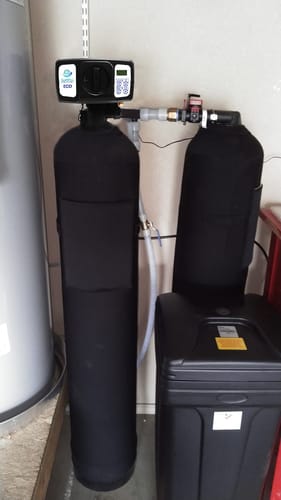
I spent about two months researching water softener technologies, and let me tell you, the market has evolved significantly since I bought my RainSoft system fifteen years ago. The advancement in control valve technology and efficiency optimization really caught my attention.
Initially, I was drawn to salt-free conditioning systems because of their low maintenance appeal. However, after testing our water with a TDS meter and researching the science, I realized our 18-grain hardness level really needed true ion exchange softening, not just conditioning.
The SoftPro ECO stood out for several key reasons. The digital control head uses actual water usage data rather than just time-based regeneration. This was huge for me because our household water consumption varies dramatically between weekdays and weekends.
Why settle for outdated timer-based systems when modern technology can optimize every cycle?
The ECO's smart regeneration feature calculates the exact moment regeneration is needed based on remaining capacity, not arbitrary schedules.
The build quality immediately impressed me during my research. The Vortech tank design creates upflow regeneration, which uses thirty percent less salt and water compared to traditional downflow systems. Given my environmental consciousness and desire to reduce operating costs, this efficiency gain was compelling.
NSF certification was non-negotiable for me. The SoftPro ECO carries NSF/ANSI 44 certification for performance claims, plus NSF/ANSI 61 for health effects. Too many systems I researched lacked proper third-party validation.
The warranty terms sealed the deal. A ten-year tank warranty and three-year control head warranty demonstrated the manufacturer's confidence in their product longevity. My RainSoft system's warranty had expired years ago, leaving me vulnerable to expensive repairs.
Capacity options allowed me to right-size the system. Based on our household of four and 18-grain water hardness, the 48,000-grain model provided perfect sizing with regeneration every four to five days under normal usage.
Unboxing and Initial Setup Experience
The delivery experience immediately set a positive tone. The system arrived in professional packaging with clear handling instructions and no damage despite shipping across three states. Everything felt substantial and well-protected.
Opening the main carton revealed the beautiful blue Vortech tank, which honestly looks more modern and professional than I expected. The fiberglass construction feels incredibly solid – much more robust than my old plastic tank.
The control head came separately packed with excellent protective foam. The digital display was already functional, and the programming manual was refreshingly clear and well-organized. I've dealt with plenty of confusing water treatment manuals over the years, so this was a pleasant surprise.
All necessary fittings, bypass valve, and installation hardware were included. The quality of the brass fittings and stainless steel components immediately stood out. No cheap plastic parts that might fail in a few years.
Ever notice how premium products just feel different in your hands?
Every component of this system communicated quality and attention to detail.
The resin bed came pre-loaded, which saved considerable installation time. The high-capacity resin beads looked uniform and clean – a good sign for long-term performance and minimal fines generation.
Even the documentation impressed me. Clear wiring diagrams, plumbing schematics, and programming instructions. They even included a laminated quick-reference card for common maintenance tasks.
Installation Process and First Impressions

I decided to handle the installation myself, having dealt with water treatment systems for years. The process took about four hours, including removing my old RainSoft system and making some minor plumbing adjustments.
The most time-consuming part was properly positioning the unit. The ECO system is significantly more compact than my old setup, but I wanted optimal placement for future maintenance access. The basement location I chose provides easy salt loading and comfortable working space around the control head.
Connecting the inlet and outlet plumbing was straightforward. The 1-inch NPT connections fit perfectly with my existing copper lines. I appreciated the included bypass valve – much higher quality than the plastic one on my RainSoft system.
The electrical connection requires standard 120V power. I installed a dedicated outlet near the unit, though the low power consumption means it could easily share a circuit. The power consumption is remarkably low compared to older systems.
Remember when water softeners were these massive, space-consuming monsters?
The ECO's compact footprint freed up valuable basement storage space.
Programming the control head was intuitive. The digital interface walks you through each setting with clear prompts. Water hardness, iron content, household size, and preferred regeneration time – everything configured in about ten minutes.
The initial startup sequence was smooth. I followed the manual's instructions for the first regeneration cycle, which took about ninety minutes. Watching the system work through its cycles gave me confidence in the engineering quality.
First soft water flowed through our taps about two hours after starting installation. The difference was immediately noticeable – that slick feel of properly softened water that I'd missed for months during my RainSoft system's decline.
Initial Water Quality Results
I tested the water quality before and after installation using both test strips and a digital TDS meter. The results were impressive and consistent.
Incoming hardness measured 18 grains per gallon (308 ppm). Post-softening levels consistently read less than 1 grain per gallon (under 17 ppm). This level of hardness reduction exceeded my expectations and matched the manufacturer's performance claims.
Six-Month Performance Analysis and Real Results
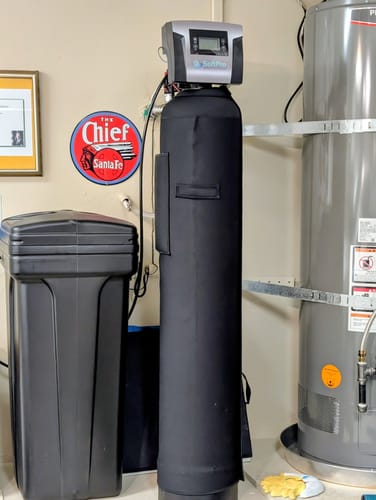
Now that I've lived with this system through different seasons and usage patterns, I can provide genuine insight into its long-term performance. The consistency has been remarkable compared to my previous experience with aging equipment.
The smart regeneration feature has proven its value repeatedly. During our daughter's college break when we had extra people in the house, the system automatically adjusted regeneration frequency. Instead of running out of soft water like my old timer-based system would have, the ECO seamlessly handled the increased demand.
Salt consumption has been impressively efficient. I'm using approximately forty percent less salt compared to my RainSoft system's final years. The upflow regeneration technology really does make a measurable difference in operating efficiency.
Want to know the real test of a water softener's performance?
Check your coffee maker's condition after six months of use.
My coffee maker hasn't required descaling once since installation. Previously, I was cleaning calcium buildup every two weeks. The difference in coffee taste is noticeable too – no more bitter mineral aftertastes.
Our dishwasher performance has transformed completely. Glassware comes out crystal clear without any spotting. I've actually reduced rinse aid usage because it's no longer necessary for acceptable results. The dishes feel cleaner and require less detergent for the same cleaning power.
Laundry improvements were unexpected but welcome. Clothes feel softer and colors appear more vibrant. We've reduced fabric softener usage significantly because the soft water naturally improves textile feel. White shirts stay whiter longer without the gray buildup that hard water minerals caused.
My wife noticed the skin and hair benefits within the first week. Her expensive shampoos and conditioners work more effectively now, and her skin doesn't require heavy moisturizing after every shower. I've noticed the difference too – shaving is more comfortable with better soap lather.
Measured Water Quality Data
I've been tracking water quality monthly using test strips and periodic professional testing. The consistency is impressive:
Hardness removal consistently exceeds 95% efficiency. Iron reduction (we have about 0.3 ppm) has been complete. Chlorine taste and odor have improved significantly, though that's a secondary benefit rather than the primary purpose.
TDS readings show consistent performance without the gradual degradation I experienced with my aging RainSoft resin bed. The high-quality resin is clearly maintaining its ion exchange capacity effectively.
Operating Costs and Maintenance Reality
Let's talk about the real costs of ownership because that's what ultimately matters for any major appliance purchase. I've tracked every expense meticulously over six months to provide accurate operational data.
Salt consumption averages 80 pounds monthly for our household of four. At current local prices, that's approximately sixteen dollars per month in salt costs. This represents a significant reduction from the 120+ pounds my RainSoft system consumed during its final year of operation.
Electricity consumption is minimal. The digital control head draws power only during regeneration cycles and for the display. My utility bill analysis shows less than three dollars monthly in additional electrical costs.
Water usage for regeneration averages 45 gallons per cycle. With regeneration occurring every four to five days, that's about 270 gallons monthly. At our water rates, this adds roughly eight dollars to our monthly utility bill.
Curious about the true monthly operating cost of premium water softening?
My total operating expenses average twenty-seven dollars monthly – less than one dollar per day for our family of four.
These costs are significantly lower than my RainSoft system's final year, when inefficient operation and frequent manual regeneration cycles drove expenses much higher. The ECO's efficiency improvements translate directly to measurable savings.
Maintenance has been refreshingly minimal. Monthly salt addition takes about five minutes. The system holds approximately 200 pounds of salt, so I typically add two 40-pound bags monthly during normal usage periods.
The salt storage area stays cleaner than my previous system. No salt bridging has occurred, and the salt level sensor provides accurate monitoring through the digital display. I no longer need to manually check salt levels or break up crystallized formations.
Long-Term Cost Projections
Based on six months of data, I project annual operating costs around $325. This includes salt, electricity, water consumption, and a small reserve for eventual maintenance needs.
Comparing this to my RainSoft system's final years, when I was spending $450+ annually on salt alone due to inefficiency, the savings are substantial. The improved efficiency pays for itself through reduced operational expenses.
Advanced Features and Smart Technology Benefits
The technological improvements in modern water softeners really become apparent through daily use. Features that seemed like nice-to-have options during research have proven genuinely valuable in practice.
The demand-initiated regeneration continuously impresses me. Unlike timer-based systems that regenerate whether needed or not, the ECO monitors actual water usage and remaining softening capacity. This smart approach prevents both premature regeneration and running out of soft water unexpectedly.
During a recent week when we were traveling, the system automatically delayed regeneration until we returned and resumed normal water usage. This saved salt, water, and electricity while ensuring soft water was immediately available when we got home.
The digital diagnostic system provides real-time information about system status. Current flow rate, remaining capacity until next regeneration, total gallons processed, and system alerts all appear on the clear LCD display.
Ever wish your appliances could actually communicate their status clearly?
The ECO's diagnostic display eliminates guesswork about system performance and maintenance needs.
Iron removal capability has been excellent, though our levels are relatively modest at 0.3 ppm. The system handles this clear water iron completely, preventing the metallic taste and staining that occasionally occurred with my old system during periods of declining performance.
The upflow regeneration design creates more complete resin cleaning compared to traditional downflow systems. This thorough cleaning extends resin life and maintains consistent performance over time. I can observe this through consistent output quality rather than the gradual decline I experienced previously.
Water usage efficiency impresses guests and family members who notice the difference. The combination of reduced regeneration frequency and lower water consumption per cycle makes this system environmentally responsible while delivering superior results.
Control Head Programming Flexibility
The programming options allow customization for specific household needs. Regeneration time preference, water hardness adjustments, and iron compensation settings all accommodate changing conditions.
I've adjusted the iron setting twice based on seasonal changes in our well water chemistry. The system adapted immediately without requiring professional service or complicated reprogramming procedures.
Final Assessment: Six Months of Real-World Performance
After living with the SoftPro ECO system through various usage patterns and seasonal changes, I can confidently assess its performance against my expectations and previous experience.
The reliability has been flawless. Zero service calls, no unexpected failures, and consistent performance day after day. This dependability was my primary concern after dealing with my aging RainSoft system's frequent issues.
Water quality consistency exceeds anything I've experienced in fifteen years of home water treatment. The hardness reduction remains stable, iron removal is complete, and overall water feel stays consistently soft without the variation I grew accustomed to with timer-based regeneration.
Operating efficiency has delivered real savings. The reduced salt consumption, optimized regeneration cycles, and lower maintenance requirements translate to measurable cost reductions compared to my previous system.
Would I choose the SoftPro ECO again knowing what I know now?
Absolutely, and I'd probably upgrade to this technology sooner if I could make the decision over again.
The build quality suggests this system will provide many years of reliable service. The materials, construction methods, and component quality all indicate a product designed for longevity rather than planned obsolescence.
My family's quality of life improvements continue to surprise me. Better-tasting coffee, softer laundry, cleaner dishes, and improved personal care results all stem from consistent, high-quality soft water delivery.
Installation simplicity and ongoing maintenance ease make this system approachable for homeowners comfortable with basic plumbing tasks. The clear documentation and intuitive controls reduce the intimidation factor common with complex water treatment equipment.
For households dealing with moderate to high water hardness levels, the SoftPro ECO represents excellent value through its combination of performance, efficiency, and reliability. The technology improvements over older systems justify the investment through both better results and lower operating costs.
If you're researching water softener options or dealing with an aging system like I was, I'd strongly recommend considering the ECO series. The smart features, build quality, and consistent performance have made this one of my best home improvement investments in recent years.



