


![SoftPro Chlorine+ Carbon Whole House Water Filter to Remove PFAS, Chlorine, Chloramine & Pesticides [City Water Filters Series]](http://www.softprowatersystems.com/cdn/shop/files/SoftPro_Whole_House_Carbon_Filter_Chlorine.webp?v=1769127507&width=140)
![SoftPro Iron Filter - Iron Master AIO - Best Iron Filter for Well Water [Air Injected Water Filter / Katalox]](http://www.softprowatersystems.com/cdn/shop/files/SoftPro_AIO_Iron_Master_Iron_Filter_Main.webp?v=1772123747&width=140)


 855-683-8488


SoftPro ECO Well Water Softener Honest Review by Real User

Hi, I'm Lillian S.. I live in Kansas. Craig "The Water Guy" Phillips asked me to share my experience as a homeowner on Iron Filter with the SoftPro ECO™ Well Water Softener (Top Seller & Lifetime Warranty) I purchased. This is how my adventures played out. I hope this helps you in your decision.
When I first started researching water softeners for our well water, I'll be honest—I was completely overwhelmed by all the technical jargon and conflicting information online. Our hard water was leaving crusty white deposits on everything, making our skin feel dry and itchy after showers, and slowly destroying our appliances. I knew we needed a solution, but I wanted something reliable that wouldn't break the bank or require constant maintenance calls.
After six months of daily use with the SoftPro ECO, I can confidently say this system has transformed our water quality and daily life in ways I didn't even expect. The installation was straightforward enough for a DIY approach, the performance has been consistently impressive, and the long-term costs are exactly what they promised—no hidden surprises.
Let me walk you through my entire experience, from the initial problem that drove me to research water softeners, through the installation process, to the real-world results we're seeing today. I'll share the good, the not-so-good, and everything in between, because that's what I wish I could have found when I was in your shoes.
The Hard Water Problem That Finally Pushed Me Over the Edge
Living with well water for over eight years, I thought the white crusty buildup on our faucets and the film on our glassware was just "normal." But when our practically new dishwasher started leaving spots on everything despite using rinse aid, and our water heater began making strange rumbling noises, I realized we had a serious hard water problem that was costing us money.
Our water test results showed 18 grains per gallon of hardness—significantly higher than the 7+ grains that's considered "very hard." For context, most municipal water systems aim for 1-3 grains per gallon. We were dealing with calcium and magnesium levels that were literally coating the inside of our pipes and appliances with mineral deposits.
The daily frustrations were mounting. My hair felt lifeless and sticky even after washing. Our white laundry looked dingy no matter what detergent I used. The soap scum in our shower required aggressive scrubbing twice a week. Most frustrating was watching our coffee maker, which I'd replaced just two years prior, start brewing slower and slower as mineral deposits clogged its internal components.
I calculated we were spending an extra $40-50 per month on cleaning products, specialty detergents, and bottled water for drinking and cooking. When our plumber mentioned during a routine service call that our water heater's efficiency was probably reduced by 20-30% due to scale buildup, I realized this wasn't just about convenience—it was about protecting our investment in our home's infrastructure.
The final straw came when we had dinner guests, and I was genuinely embarrassed by the water spots on our glassware. I'd hand-dried everything, but the mineral residue was still visible. That week, I started serious research into whole-house water treatment solutions.
My Research Journey and Why I Chose SoftPro ECO
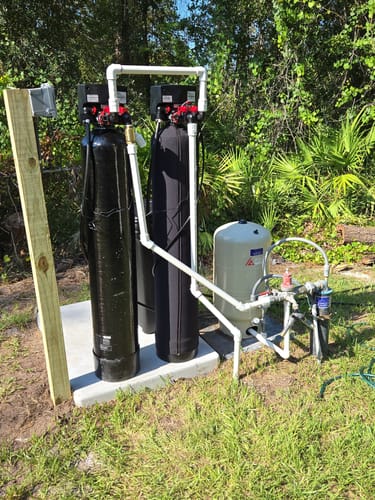
I spent three weeks researching water softeners, reading technical specifications, and trying to understand the difference between salt-based ion exchange systems, salt-free conditioners, and reverse osmosis solutions. The more I learned, the more I realized that for our specific situation—high hardness well water with iron content—a traditional salt-based softener was really our best option.
I compared systems from six different manufacturers, looking at grain capacity, regeneration efficiency, salt usage, and warranty coverage. The SoftPro ECO stood out for several key reasons that aligned with our household's needs and my long-term concerns about operational costs.
First, the capacity sizing made sense for our family of four. With 64,000 grain capacity, the system could handle our estimated 300 gallons per day usage for about 8-10 days between regeneration cycles, even with our high hardness levels. This meant efficient salt usage without over-regenerating.
Second, the upflow regeneration technology appealed to me because it uses less salt and water during the cleaning cycle. Traditional downflow systems can waste 50+ gallons per regeneration, while this upflow design typically uses 25-30 gallons. With well water, every gallon saved matters—especially during dry seasons when our well recovery rate drops.
The digital control head impressed me during my research phase. Instead of mechanical timers that regenerate on a schedule whether needed or not, this system monitors actual water usage and hardness removal. It only regenerates when the resin bed approaches capacity, which maximizes efficiency and minimizes salt consumption.
What really sealed the deal was the NSF certification and the lifetime warranty on the tank and control valve. NSF Standard 44 certification means independent testing confirmed the system actually reduces hardness as claimed. The warranty gave me confidence that this wasn't a "buy cheap, replace often" scenario.
I also appreciated that SoftPro's technical support team answered specific questions about our well water chemistry without trying to upsell me. When I called with our water test results, they confirmed the ECO model would handle our iron content (2.3 PPM) along with the hardness minerals.
Unboxing and First Impressions
The system arrived in two packages: the main resin tank and a separate box containing the control head, bypass valve, and installation hardware. Everything was packed professionally with foam protection, and I was pleased to see that nothing had shifted during shipping.
The fiberglass resin tank felt substantial—definitely built for long-term use rather than the lightweight plastic tanks I'd seen on cheaper systems. The digital control head looked more sophisticated than I expected, with a clear LCD display and intuitive button layout. Even before installation, it was obvious this wasn't a budget-grade system.
The included bypass valve was a pleasant surprise. It's a three-valve design that allows you to isolate the softener for maintenance or bypass it entirely if needed. Many systems I researched required purchasing this separately, adding $50-80 to the total cost.
The installation manual was thorough without being overwhelming. Clear diagrams showed the plumbing connections, electrical requirements, and initial setup procedures. They included a startup checklist and troubleshooting section that proved helpful during the first few weeks of operation.
One minor disappointment was the lack of installation fittings. I had to purchase unions, pipe adapters, and Teflon tape separately. While this keeps the base price lower, it meant an extra trip to the hardware store and about $25 in additional parts.
Installation Experience and Setup Process

I decided to tackle the installation myself after getting quotes of $300-400 from local plumbers. With basic plumbing knowledge and the right tools, this turned out to be a manageable weekend project that took about six hours total.
The most challenging part was locating the ideal installation point. The system needed to be after our pressure tank but before any water lines split off to outside spigots or irrigation. I ended up installing it in our utility room, about four feet from our electrical panel and within reach of a floor drain for the discharge line.
Here's where the reviewer's advice about valve quality became crucial. My first attempt used compression valves from the local home improvement store. These started dripping within two days, requiring me to drain the system and start over. The second round with proper ball valves from a plumbing supply house solved the issue permanently.
The electrical connection was straightforward—just a standard 110V plug into a nearby outlet. The control head draws minimal power, cycling on only during regeneration cycles or when monitoring water flow.
Programming the initial settings took about 15 minutes. I entered our water hardness level (18 grains), set the regeneration time for 2 AM when we don't use water, and adjusted the salt efficiency setting to "high efficiency" mode to minimize waste.
The first regeneration cycle ran automatically after I initiated the startup sequence. Listening to the system work through its cycle—backwash, brine draw, rinse, and refill—gave me confidence that everything was functioning properly. The entire cycle completed in about 90 minutes.
Initial water flow testing showed no pressure drop at our fixtures. I measured 45 PSI at the kitchen faucet both before and after installation, which was a relief since pressure reduction had been one of my concerns with whole-house treatment.
Performance Testing and Real-World Results
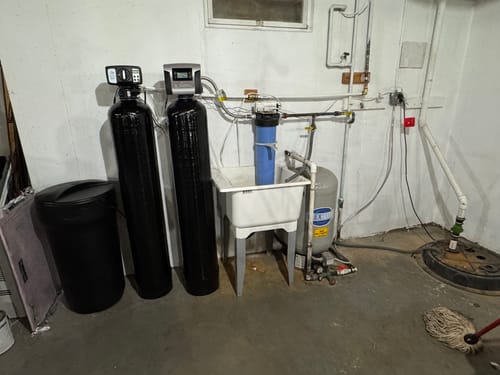
I tested our water quality using both TDS meters and hardness test strips to establish baseline measurements and track the system's performance over time. The results have been consistently impressive, with hardness levels dropping from 18 grains per gallon to less than 1 grain per gallon within 24 hours of installation.
The transformation was noticeable immediately in our daily routines. Soap and shampoo suddenly lathered properly—I actually had to reduce the amount I was using because I was getting too much foam. Our dishes came out of the dishwasher spot-free without any rinse aid, and the white film that had coated our glassware completely disappeared.
Within a week, I noticed our laundry felt softer and colors appeared brighter. Towels that had become scratchy and stiff regained their fluffy texture. White socks and shirts that had developed a gray tinge from mineral deposits started looking actually white again after a few wash cycles.
The impact on our appliances became evident over the following months. Our coffee maker, which had been brewing increasingly slowly, returned to normal brewing speed as existing mineral deposits gradually dissolved. The rumbling noises from our water heater disappeared as scale buildup was prevented from accumulating further.
I've been tracking regeneration frequency and salt usage to monitor efficiency. The system regenerates every 8-9 days on average, using approximately 8 pounds of salt per cycle. This translates to about 35-40 pounds of salt per month for our household, which costs roughly $8-10 monthly.
Iron removal has been excellent as well. Our water contained 2.3 PPM of ferrous iron, which occasionally caused reddish staining in our toilet bowls and laundry. Since installation, I haven't seen any new iron staining, and existing stains have gradually faded.
Water flow rate remains strong throughout the house. Even during peak usage times—morning showers while the dishwasher runs—we maintain adequate pressure at all fixtures. The system's internal bypass design ensures continuous water supply even during regeneration cycles.
Daily Living Impact and Family Benefits
Six months later, the improvements to our daily life extend far beyond just "better water." My skin and hair feel dramatically different, household cleaning requires half the effort it used to, and we've eliminated the need for bottled drinking water entirely.
My teenage daughter was the first to comment on the skin benefits. Her complexion improved noticeably within two weeks, and she mentioned her hair felt less "tangled and gross" after washing. My wife's eczema, which had been aggravated by our hard water, showed significant improvement within a month of the installation.
Cleaning bathrooms has become genuinely easier. The soap scum that required weekly scrubbing with harsh chemicals now wipes away with simple bathroom cleaner. Our shower doors stay cleaner longer, and the white mineral deposits around faucets are completely gone.
Kitchen cleanup is more pleasant too. Dishes air-dry without spots, our stainless steel sink maintains its shine with just a quick wipe, and our ice maker produces crystal-clear ice cubes instead of the cloudy ones we'd grown accustomed to.
We've saved money in unexpected ways. Laundry detergent lasts longer because soft water allows it to work more effectively. We stopped buying specialty glass cleaner and water spot removers. Most significantly, we eliminated our monthly bottled water delivery service, saving $45 per month.
Our guests consistently comment on the water quality now. Several have asked what we've done differently, and two neighbors have installed similar systems after experiencing our improved water during dinner visits.
The system operates quietly enough that we rarely notice regeneration cycles, even though the utility room is adjacent to our kitchen. The only audible indication is gentle water flow sounds during the rinse phase, which last about 15 minutes.
Operational Costs and Long-Term Ownership
After tracking expenses for six months, I can provide accurate costs for operating the SoftPro ECO system. The total monthly operational cost averages $12-15, which is significantly lower than the extra cleaning products and bottled water we were purchasing before installation.
Salt consumption runs 35-40 pounds monthly, costing about $8-10 when I buy 50-pound bags from the hardware store. I've learned that solar salt crystals work better than rock salt, producing less bridging in the brine tank and leaving fewer impurities in the system.
Electricity usage is minimal—the control head draws about 5 watts continuously for monitoring, plus additional power only during regeneration cycles. This adds roughly $3-4 to our monthly electric bill.
Water consumption for regeneration averages 25-30 gallons per cycle. With cycles every 8-9 days, this represents about 100 gallons monthly for system maintenance. While this water goes down the drain, it's a reasonable trade-off for the benefits we receive.
Maintenance requirements have been minimal so far. I check the salt level monthly and clean the brine tank every three months to prevent salt bridging. The control head tracks everything automatically, including salt efficiency and regeneration scheduling.
I project annual operating costs at approximately $150-180, compared to our previous spending of $600+ annually on cleaning products, bottled water, and premature appliance replacement. The system should pay for itself within 18-24 months through these savings alone.
The lifetime warranty on major components provides peace of mind for long-term ownership costs. While I may eventually need to replace the control head electronics after 10-15 years, the resin tank and bypass valve should last indefinitely with proper maintenance.
Honest Assessment: What Could Be Better
While I'm extremely satisfied with the SoftPro ECO's performance, there are a few areas where the system could be improved or where buyers should set realistic expectations.
The control head, while functional, feels less modern than some newer systems I've seen. The LCD display is clear and readable, but it's not backlit, making it difficult to read in our dimly lit utility room.
A few neighbors have systems with WiFi connectivity for remote monitoring, which would be a nice upgrade.
Salt loading requires lifting 50-pound bags and pouring them into the brine tank. For some homeowners, this could become physically challenging over time. A salt delivery service or automated salt feeding system would address this, but those aren't standard features.
The system takes up more floor space than I initially anticipated. The resin tank and brine tank together occupy about 6 square feet, which might be challenging in smaller utility areas. Measuring your available space carefully before purchase is important.
Initial water taste took some adjustment. Softened water has a different mineral profile that some family members noticed for the first week or two. It's not unpleasant, just different from what we were accustomed to with our hard well water.
The regeneration cycle, while quiet, does interrupt water pressure temporarily during the backwash phase. If someone showers during this 10-15 minute period, they might notice reduced flow. The programmable timer prevents this during normal sleeping hours, but it could affect early risers or night shift workers.
Documentation could be more comprehensive regarding water chemistry variations. While the system handles our iron content well, homeowners with hydrogen sulfide or other specific contaminants might need additional pre-treatment that isn't clearly addressed in the standard literature.



