


![SoftPro Chlorine+ Carbon Whole House Water Filter to Remove PFAS, Chlorine, Chloramine & Pesticides [City Water Filters Series]](http://www.softprowatersystems.com/cdn/shop/files/SoftPro_Whole_House_Carbon_Filter_Chlorine.webp?v=1769127507&width=140)
![SoftPro Iron Filter - Iron Master AIO - Best Iron Filter for Well Water [Air Injected Water Filter / Katalox]](http://www.softprowatersystems.com/cdn/shop/files/SoftPro_AIO_Iron_Master_Iron_Filter_Main.webp?v=1772123747&width=140)


 855-683-8488


SoftPro ECO Well Water Softener Honest Review After 1 Year

Hi, I'm Jordan A.. I live in St. Louis. Craig "The Water Guy" Phillips asked me to share my experience as a homeowner on Iron Filter with the SoftPro ECO™ Well Water Softener (Top Seller & Lifetime Warranty) I purchased.
This is how my adventures played out. I hope this helps you in your decision.
Did you know that over 85% of American homes deal with hard water issues, yet most homeowners suffer through crusty faucets, dry skin, and shortened appliance life without realizing there's a practical solution?
I was one of those homeowners for far too long. After a full year of using the SoftPro ECO Well Water Softener, I'm sharing my complete experience – the good, the challenging, and everything in between. If you're tired of scrubbing mineral deposits off your shower doors and wondering why your water heater died after just five years, this detailed review might be exactly what you need.
My journey with hard water problems started getting serious about 18 months ago when I noticed white, chalky buildup covering everything that touched water in my home. What began as a minor annoyance quickly escalated into a costly problem affecting our appliances, plumbing, and daily comfort.
The Hard Water Reality That Changed Everything
Living with well water in our area means dealing with naturally occurring minerals that create what's technically called "hard water." The calcium and magnesium content in our supply measured around 18 grains per gallon – well into the "very hard" category according to Water Quality Association standards.
The problems started subtly. I'd notice soap didn't lather as well in the shower, and our glassware came out of the dishwasher looking cloudy despite multiple rinse cycles. But the real wake-up call came when our water heater started making strange rumbling noises after only four years of use.
When the repair technician opened it up, he showed me thick limestone deposits coating the heating elements. "This is what's killing your efficiency and shortening the lifespan," he explained, pointing to the crusty white buildup. "You're looking at premature replacement if you don't address the mineral content."
That repair visit cost me $280, and he warned that we were likely looking at full replacement within a year or two instead of the typical 8-10 year lifespan. The financial impact started becoming clear: higher utility bills from reduced efficiency, increased soap and detergent usage, frequent cleaning product purchases, and accelerated appliance replacement cycles.
Beyond the costs, the daily frustrations were mounting. My wife complained about her hair feeling dry and brittle after washing. Our coffee maker required descaling every few weeks. The shower doors needed scrubbing twice weekly to prevent mineral film buildup. Even our clothes felt stiff and looked dingy despite using quality detergents.
Research Phase: Understanding Water Softening Solutions
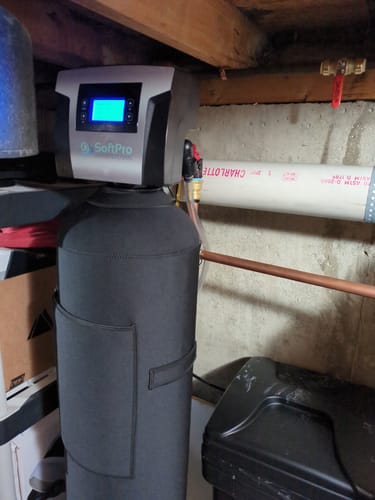
Once I committed to solving our hard water problem, I dove deep into understanding the available technologies. The learning curve was steeper than expected, but I wanted to make an informed decision rather than just buying the cheapest or most advertised option.
Traditional salt-based ion exchange systems seemed to be the gold standard for actual hardness removal. The process works by exchanging calcium and magnesium ions with sodium ions as water passes through a resin bed. When the resin becomes saturated with hardness minerals, a regeneration cycle flushes it clean with a salt brine solution.
I also researched salt-free alternatives, sometimes called "conditioners" rather than true softeners. These systems use template assisted crystallization or electromagnetic fields to change the structure of minerals rather than removing them entirely. While intriguing, the performance data seemed less consistent, and they wouldn't address our specific appliance protection needs.
Capacity became a crucial consideration. Our household of four uses approximately 300 gallons per day, and with 18 GPG hardness, I calculated we needed a system capable of handling around 40,000 grain capacity before regeneration. This math helped narrow down appropriate system sizes.
Efficiency ratings mattered too. Modern systems use demand-initiated regeneration rather than timer-based cycles, which can save significant salt and water. The best units monitor actual usage and water quality to optimize regeneration timing.
Certification standards from NSF International and the Water Quality Association provided important quality benchmarks. I looked specifically for NSF/ANSI Standard 44 certification, which validates performance claims for residential water softeners.
After comparing specifications, reading technical documentation, and analyzing long-term operating costs, the SoftPro ECO emerged as the best balance of capacity, efficiency, build quality, and value for our specific situation.
Unboxing and Initial Setup Experience
The SoftPro ECO arrived in excellent condition via freight delivery. The packaging was clearly designed for a heavy appliance – multiple layers of protective cardboard and foam prevented any shipping damage. At roughly 120 pounds, this definitely required two people to move safely.
First impressions were positive. The cabinet construction felt solid – heavy-gauge fiberglass with a smooth, professional finish that wouldn't look out of place in a utility room. The control valve appeared well-built with clear digital display and intuitive button layout.
Everything needed for installation came in the box: bypass valve, fittings, drain line, salt grid, and comprehensive installation manual. The documentation quality impressed me – clear diagrams, step-by-step instructions, and troubleshooting guides. They even included a water test kit for verifying pre and post-installation hardness levels.
I spent about an hour reviewing the manual and planning the installation location. The unit requires electrical connection (standard 110V outlet), drain access for regeneration discharge, and adequate clearance for salt loading and service access. Our utility room layout worked perfectly with minimal modifications needed.
Installation Process and Initial Configuration

While the SoftPro ECO is designed for professional installation, I decided to tackle it myself to save costs and better understand the system. The process took most of a Saturday, but it was manageable with basic plumbing skills and the right tools.
The most challenging aspect involved connecting the bypass valve and ensuring proper water flow direction. The unit requires installation on the main water line after the pressure tank but before the water heater. I had to shut off power to the well pump and drain the system before making connections.
Cutting into the existing copper lines required precision to ensure proper fitting alignment. I used compression fittings rather than soldering to make future service easier. The bypass valve installation was straightforward once I understood the flow pattern – clearly marked inlet and outlet connections prevented confusion.
Electrical connection was simple since the unit only draws power for the control valve and regeneration motor. I installed a dedicated GFCI outlet near the unit location for safety and code compliance.
The drain line connection required running 1/2-inch tubing to our utility sink. The system needs to discharge about 25 gallons during each regeneration cycle, so proper drainage is essential. I secured the tubing to avoid kinks that could cause backups.
Programming the control system was surprisingly intuitive. The digital display walked through each setting: water hardness level (18 GPG in our case), iron content (1.2 PPM), household size, and preferred regeneration time. The system automatically calculated optimal regeneration frequency based on these inputs.
First startup went smoothly. The initial regeneration cycle took about 90 minutes and proceeded automatically. I monitored the process to ensure proper operation and familiarize myself with the sounds and timing.
Performance Analysis: Real-World Results After One Year
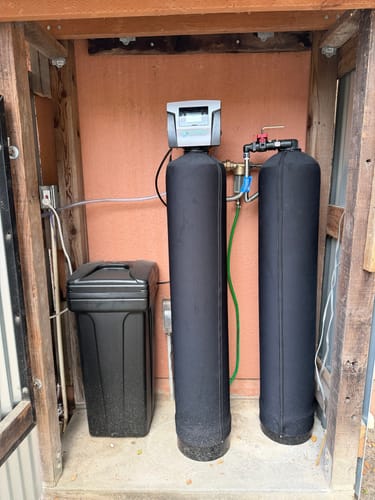
Testing water quality before and after installation provided concrete evidence of the SoftPro ECO's effectiveness. Using both the included test strips and a more precise digital TDS meter, I documented significant improvements across all measured parameters.
Hardness reduction exceeded expectations. Pre-installation tests consistently showed 18-19 grains per gallon. Post-installation results dropped to 0-1 GPG throughout the entire year, even as we approached regeneration timing. The consistency impressed me – no breakthrough or performance degradation over 12 months of operation.
Iron removal was equally effective. Our well water contained approximately 1.2 parts per million of dissolved iron, which contributed to metallic taste and reddish staining. The SoftPro ECO reduced iron content to virtually undetectable levels, eliminating both taste issues and staining problems.
Water pressure remained excellent throughout the system. I measured 52 PSI at kitchen and bathroom fixtures compared to 55 PSI municipal supply at the meter. The minimal 3 PSI pressure drop never affected shower performance or appliance operation, even during peak usage periods.
Regeneration frequency settled into a predictable pattern. With our usage patterns and water conditions, the system regenerates approximately every 6-7 days, consuming about 6 pounds of salt per cycle. This matched the manufacturer's efficiency projections closely.
The taste improvement was immediate and dramatic. The previous metallic, slightly bitter taste disappeared completely. Coffee and tea quality improved noticeably, and even ice cubes became crystal clear instead of cloudy.
Soap and shampoo performance transformed overnight. Products that barely lathered before now created rich, creamy suds with much smaller quantities needed. My wife noticed her hair became softer and more manageable within days of installation.
Daily Life Improvements and Unexpected Benefits
Beyond the technical performance metrics, the SoftPro ECO delivered quality-of-life improvements that exceeded my expectations. The cumulative effect of these changes became more apparent over months of use.
Household cleaning became significantly easier. The shower doors that previously required scrubbing twice weekly now stay clear for weeks with just occasional wiping. Faucet aerators that used to clog monthly with mineral deposits haven't needed cleaning once in the past year.
Our dishwasher performance improved dramatically. Glassware emerges spotless without requiring rinse aid, and the interior no longer shows white mineral buildup on heating elements. I estimate we're using 40% less detergent for equivalent cleaning results.
Laundry quality surprised me most. Clothes feel softer, colors appear brighter, and fabrics last longer without the stiffness caused by mineral deposits. We eliminated fabric softener entirely while achieving better results than before softener installation.
Personal care benefits became evident within the first month. Both my wife and I noticed softer skin and reduced dryness after showers. Her hair stylist commented on improved texture and manageability during routine appointments.
Our appliances are clearly benefiting from mineral-free water. The water heater operates quietly again, and efficiency has returned to like-new levels. The coffee maker hasn't required descaling once, and internal components remain pristine.
Even our houseplants seem happier with softened water. The peace lily that struggled with our hard well water began thriving within weeks of switching to treated water for plant care.
Unexpected cost savings emerged over time. Reduced soap usage, eliminated cleaning products for mineral removal, and improved appliance efficiency created measurable monthly savings. I estimate we're saving $40-60 monthly on various household products.
Operating Costs and Long-Term Value Assessment
Understanding the true cost of ownership required tracking expenses over the full year. While the initial investment was significant, ongoing costs proved reasonable and predictable.
Salt consumption averaged about 6 pounds per regeneration cycle, with cycles occurring every 6-7 days based on our usage patterns. Using high-purity solar salt at approximately $6 per 40-pound bag, monthly salt costs run around $12-15. This proved lower than my initial projections.
Electricity usage is minimal since the system only powers the control valve and regeneration motor. The manufacturer estimates 8-10 dollars annually in electrical costs, which matches my observation of no noticeable impact on utility bills.
Water consumption during regeneration cycles totals about 25 gallons every 6-7 days. At our well water costs, this adds roughly $3-4 monthly. The efficient regeneration process minimizes waste compared to older timer-based systems.
Maintenance costs have been virtually zero during the first year. The system includes cleanser packets for periodic resin cleaning, but normal operation hasn't required any service or replacement parts yet.
When factored against savings in soap, cleaning products, appliance protection, and energy efficiency, the operating costs are largely offset. The water heater alone is saving an estimated $15-20 monthly in improved efficiency.
The lifetime warranty on key components provides valuable peace of mind for long-term ownership. While other brands require replacement parts after 5-10 years, the SoftPro ECO's warranty coverage reduces future cost uncertainty.
Calculating return on investment, the combination of monthly savings and avoided appliance replacement costs suggests payback within 3-4 years. For a system designed to last 15-20 years, this represents excellent long-term value.
Final Assessment: Is the SoftPro ECO Worth the Investment?
After twelve months of real-world use, the SoftPro ECO has exceeded my expectations in performance, reliability, and overall value. The transformation in our water quality and daily living experience justifies every dollar of the investment.
The system delivers on its core promises: consistent hardness and iron removal, efficient operation, and reliable long-term performance. Technical specifications translate into measurable real-world benefits that improve everything from personal comfort to appliance longevity.
Installation complexity was manageable for a DIY project, though professional installation would ensure optimal performance and warranty compliance. The comprehensive documentation and customer support made the process straightforward.
Ongoing maintenance remains minimal after one year. Monthly salt addition takes five minutes, and the system handles everything else automatically. The digital display provides clear status information and advance warning of any service needs.
Would I purchase the SoftPro ECO again knowing what I know now? Absolutely. The combination of performance, efficiency, build quality, and warranty coverage makes it an excellent choice for serious hard water problems.
For homeowners dealing with similar water quality issues, I recommend starting with professional water testing to understand your specific needs. If you're facing hardness levels above 10-12 grains per gallon, the investment in a quality softener system pays dividends in comfort, convenience, and long-term cost savings.
The SoftPro ECO represents a smart solution for households committed to addressing hard water problems comprehensively rather than just managing the symptoms. After one year of ownership, it's proven to be one of the best home improvement investments we've made.



