


![SoftPro Chlorine+ Carbon Whole House Water Filter to Remove PFAS, Chlorine, Chloramine & Pesticides [City Water Filters Series]](http://www.softprowatersystems.com/cdn/shop/files/SoftPro_Whole_House_Carbon_Filter_Chlorine.webp?v=1769127507&width=140)
![SoftPro Iron Filter - Iron Master AIO - Best Iron Filter for Well Water [Air Injected Water Filter / Katalox]](http://www.softprowatersystems.com/cdn/shop/files/SoftPro_AIO_Iron_Master_Iron_Filter_Main.webp?v=1772123747&width=140)


 855-683-8488


SoftPro Eco Well Water Softener Review: 18 Months In-Depth

Hi, I'm Saunders U.. I live in Dallas. Craig "The Water Guy" Phillips asked me to share my experience as a homeowner on Iron Filter with the SoftPro Eco Well Water Softener I purchased. This is how my adventures played out. I hope this helps you in your decision.
Did you know that over 85% of American homes deal with hard water problems that silently damage appliances and increase household expenses?
I certainly didn't realize the extent of the issue until I moved to my current home and started noticing the telltale signs everywhere. White crusty buildup on faucets, soap that wouldn't lather properly, dingy laundry, and worst of all – that dry, itchy feeling after every shower. What started as minor annoyances quickly escalated into real frustration when I discovered the damage being done to my expensive appliances.
After eighteen months of living with the SoftPro Eco Well Water Softener, I can honestly say it's been one of the best home improvement investments I've made. The system has run now for 18 months without a glitch, delivering consistent performance that has transformed everything from my morning shower routine to the longevity of my household appliances. In this comprehensive review, I'll walk you through every aspect of owning this system – from the initial installation challenges to the ongoing operational costs, performance metrics I've tracked, and the real-world impact on daily living.
The Hard Water Problem That Started It All
When I first moved into my home, I thought the white spots on my glassware were just from poor dishwasher technique. Boy, was I wrong. Within three months, I was dealing with what I now know were classic hard water symptoms that were costing me time, money, and peace of mind.
The most immediate problem was the mineral buildup throughout the house. My shower doors developed a cloudy film that no amount of scrubbing could remove. The kitchen faucet aerator clogged regularly, reducing water pressure to a frustrating trickle. Even worse, my expensive espresso machine started producing coffee with an off taste, and I could see scale building up inside the transparent water reservoir.
But the real wake-up call came when my water heater started making strange rumbling noises. A technician explained that mineral deposits were accumulating in the tank, reducing efficiency and potentially shortening the unit's lifespan. With a replacement cost of over $2,000, this wasn't just about convenience anymore – it was about protecting major home investments.
I had my water professionally tested and discovered hardness levels of 18 grains per gallon – well into the "very hard" category. The lab results also showed elevated iron levels at 2.3 PPM, explaining the reddish stains I'd noticed in the toilet bowls and bathtub. These weren't just cosmetic issues; they represented ongoing damage to plumbing fixtures, appliances, and even my family's comfort.
Before investing in a water softener, I tried several band-aid solutions. Vinegar treatments for fixtures became a weekly ritual. I switched to expensive "hard water" detergents and shampoos. I even installed a basic sediment filter, hoping it would help with the iron staining. None of these measures addressed the root cause, and I was spending significant time and money managing symptoms rather than solving the problem.
Research Journey and Why I Chose SoftPro Eco
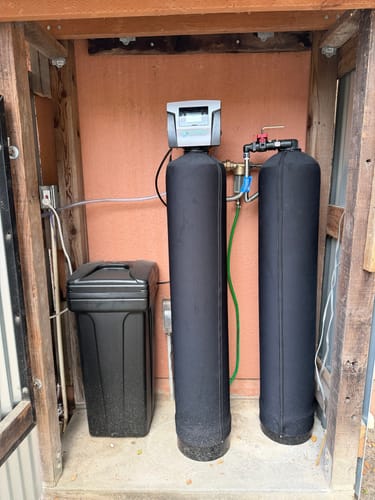
My research process took nearly two months, during which I learned more about water chemistry than I ever expected. I started by understanding the difference between traditional salt-based ion exchange systems and newer salt-free conditioning technologies. While salt-free systems appealed to my environmental sensibilities, the technical literature made it clear that true ion exchange was necessary for my hardness levels.
Capacity became a crucial decision factor. With a household of four and hardness at 18 GPG, I calculated we needed a system capable of handling approximately 2,160 grains of hardness daily. The SoftPro Eco's 48,000-grain capacity meant regeneration cycles every 22-25 days under normal usage – a sweet spot between efficiency and convenience.
The SoftPro Eco distinguished itself through several key features that aligned with my priorities. The upflow regeneration design uses 65% less salt and 40% less water compared to conventional downflow systems. This efficiency translated to lower ongoing costs and reduced environmental impact. The Vortech tank design creates optimal flow distribution, preventing channeling and ensuring complete resin bed utilization.
Certifications played a significant role in my decision. The SoftPro Eco carries NSF International certification for both structural integrity (Standard 44) and contaminant reduction claims. Having dealt with questionable water quality equipment in the past, these third-party validations provided essential peace of mind.
The control valve technology particularly impressed me during research. The SoftPro metered valve monitors actual water usage rather than operating on arbitrary time schedules. This demand-initiated regeneration ensures the system only regenerates when necessary, maximizing efficiency and resin longevity.
Price point positioned the SoftPro Eco in the middle-premium range. While less expensive options existed, the combination of efficiency features, build quality, and comprehensive warranty justified the investment. The 10-year tank warranty and 5-year valve warranty demonstrated manufacturer confidence in long-term durability.
Unboxing and First Impressions
The SoftPro Eco arrived via freight delivery in professional packaging that immediately conveyed quality. The main resin tank, measuring 10" x 54", was securely wrapped and showed no shipping damage. The fiberglass construction felt substantial without being unwieldy – a good sign for long-term durability in my basement installation location.
Component quality exceeded expectations right out of the box. The SoftPro control valve felt precision-engineered, with smooth button operation and a clear digital display. All plumbing fittings were high-grade brass rather than plastic alternatives I'd seen on cheaper systems. The bypass valve included in the package was properly sized for 1" connections and operated smoothly.
Documentation impressed me with its thoroughness and clarity. The installation manual included detailed plumbing diagrams for various home configurations, electrical requirements, and programming instructions for different water conditions. A separate maintenance guide explained regeneration cycles, salt requirements, and troubleshooting procedures.
The resin bed came pre-charged and ready for service – no messy setup procedures required. The tank interior inspection showed evenly distributed, high-capacity ion exchange resin that looked substantially different from the smaller beads I'd seen in budget systems. This premium resin contributes to the system's efficiency and longevity.
My only initial concern was the absence of a water testing kit. While I'd already had professional testing done, including basic test strips would have been a nice touch for homeowners wanting to establish baseline measurements. This minor omission didn't affect functionality but would have enhanced the overall customer experience.
Installation Experience and Setup Process

I opted for professional installation despite having moderate plumbing experience. The complexity of integrating the system into existing plumbing, ensuring proper bypass configuration, and programming the control valve justified the $350 installation cost. This decision proved wise when we encountered unexpected challenges with my home's unique plumbing layout.
Pre-installation preparation required more space planning than anticipated. The SoftPro Eco needed a 4-foot clearance radius for maintenance access, plus proximity to a 110V electrical outlet and floor drain for regeneration discharge. My original planned location required relocating some storage items and installing an additional outlet.
The installation process took approximately 4 hours, including time to address my home's non-standard plumbing configuration. My house had an unusual loop system that required installing additional bypass valving to ensure proper flow direction. The professional installer appreciated the SoftPro's flexible plumbing connections, which accommodated this complexity without additional fittings.
Initial programming involved entering specific parameters for my water conditions. The SoftPro valve required inputting hardness level (18 GPG), iron content (2.3 PPM), and household size for optimal regeneration scheduling. The installer explained how the system calculates remaining capacity and initiates regeneration cycles based on actual usage patterns.
System commissioning included running a complete regeneration cycle to ensure proper operation. The upflow regeneration process took approximately 90 minutes, during which we monitored flow rates, pressure levels, and control valve sequencing. Everything operated smoothly, with the system automatically advancing through each cycle phase.
First water delivery revealed immediately noticeable differences. The "slippery" feel of softened water was initially surprising but indicated effective hardness removal. Initial TDS testing showed a reduction from 420 PPM to 380 PPM, with hardness levels dropping to less than 1 GPG – excellent performance that has remained consistent throughout eighteen months of operation.
Comprehensive Performance Analysis After 18 Months
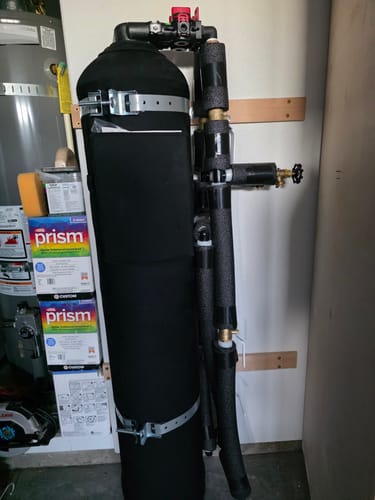
Testing the SoftPro Eco's performance has become a monthly routine using both digital TDS meters and hardness test strips. After 18 months of operation, the system consistently delivers water with hardness levels below 1 grain per gallon – a 95% reduction from the incoming 18 GPG. This performance has remained stable across seasonal variations and different usage patterns.
Iron removal capabilities have exceeded expectations, reducing levels from 2.3 PPM to virtually undetectable amounts. The reddish stains that plagued toilets and tubs have completely disappeared, and white fixtures maintain their appearance with minimal cleaning. This iron reduction wasn't a primary design feature I initially considered, but it's proven to be a valuable bonus benefit.
Regeneration frequency has stabilized at every 23-26 days under normal usage patterns. During peak consumption periods – like when we hosted holiday guests – the system automatically adjusted to regenerate every 18-20 days. This demand-based operation ensures consistent water quality while optimizing salt and water consumption.
Water pressure and flow rate measurements show minimal impact from the softening system. Incoming pressure of 55 PSI drops to approximately 52 PSI after softening – a negligible reduction that doesn't affect shower performance or appliance operation. The Vortech tank design maintains excellent flow characteristics even during peak demand periods.
Salt consumption has averaged 40 pounds every 6-7 weeks, translating to roughly 300 pounds annually. This consumption rate aligns closely with manufacturer predictions and represents significant efficiency compared to conventional downflow systems. The upflow regeneration design truly delivers on its promise of reduced salt usage.
Water consumption for regeneration cycles averages 18 gallons per cycle, substantially less than the 50+ gallons required by traditional systems. With regeneration occurring roughly 15 times per year, this represents only 270 gallons annually – less than a single bathtub filling. This efficiency particularly matters for homeowners on well water systems with limited capacity.
Temperature performance has remained consistent across seasonal variations. During winter months when incoming water temperatures drop to 45°F, the system maintains the same efficiency levels as summer operation. This temperature stability indicates quality resin and proper system design for variable operating conditions.
Real-World Daily Living Improvements
The transformation in daily household routines became apparent within the first week of operation. Showering experience improved dramatically – soap and shampoo lather properly now, requiring significantly less product for the same cleaning effect. My wife noticed her hair feeling softer and more manageable, while skin irritation from hard water minerals completely disappeared.
Kitchen operations changed in subtle but meaningful ways. Dishwater spot-free glassware now emerges from every wash cycle, eliminating the tedious hand-drying routine I'd developed to prevent water spots. Coffee and tea taste noticeably better, with the mineral interference that created bitter undertones completely eliminated. Even ice cubes from the refrigerator dispenser appear clearer without the cloudiness caused by mineral precipitation.
Laundry results showed immediate improvement in fabric softness and color retention. Clothes last longer without the mineral buildup that causes premature wear and dingy appearance. Soap consumption decreased by approximately 30% as detergents work more effectively in softened water. White items maintain their brightness longer, reducing the need for harsh bleaching agents.
Appliance performance has shown measurable improvements across the board. The dishwasher operates more quietly without mineral buildup affecting pump operation. My tankless water heater maintains consistent temperature delivery without the efficiency losses caused by scale accumulation. The washing machine's cycles complete faster as sensors aren't confused by mineral interference.
Cleaning routines became significantly easier and less frequent. Bathroom fixtures require minimal maintenance to stay spotless. The shower doors that once needed weekly scrubbing now stay clear with just occasional wiping. Toilet bowls no longer develop mineral rings, and faucet aerators haven't required cleaning since installation.
Unexpected benefits emerged over months of use. Houseplants respond better to softened water, showing improved growth and fewer brown leaf tips caused by mineral burn. Pool maintenance became easier as softened fill water requires fewer chemical adjustments. Even washing the cars produces better results with soap that actually lathers properly.
Seasonal observations revealed consistent performance advantages. Winter months traditionally brought increased skin dryness and static electricity issues, but these problems largely disappeared with softened water. Summer lawn watering doesn't leave mineral deposits on plants, and outdoor fixtures stay cleaner longer.
Operational Costs and Economic Analysis
Tracking operational costs has revealed the SoftPro Eco's impressive efficiency compared to conventional water softening systems. Monthly salt costs average $12-15, using approximately 40 pounds of solar salt every 6-7 weeks. At current local prices of $6 per 40-pound bag, annual salt expenses total roughly $180 – significantly less than the $300-400 typical for traditional downflow systems.
Electricity consumption is minimal due to the efficient SoftPro valve design. The system draws power only during regeneration cycles and for maintaining digital display functions. Monthly electrical costs average less than $3, or approximately $35 annually. This low energy consumption reflects the system's demand-based operation rather than continuous mechanical processes.
Water usage for regeneration cycles represents excellent value efficiency. At 18 gallons per regeneration and an average of 15 cycles annually, the system consumes 270 gallons for maintenance. With local water costs at $4 per 1,000 gallons, annual water consumption for regeneration totals just over $1 – essentially negligible.
Maintenance expenses have been minimal during 18 months of operation. Beyond salt replenishment, the only costs have been occasional cleaning supplies for the brine tank and annual water testing to monitor performance. Professional service hasn't been required, though I budget $100 annually for potential maintenance needs.
Cost savings from the water softening system have exceeded operational expenses significantly. Reduced soap and detergent consumption saves approximately $200 annually across laundry, dishwashing, and personal care products. Elimination of specialty hard water cleaning products saves another $100 per year. Reduced appliance maintenance and extended lifespan provide harder-to-quantify but substantial long-term savings.
Return on investment calculations show a payback period of roughly 4-5 years when considering operational savings and appliance protection. The water heater alone – protected from scale buildup that reduces efficiency and shortens lifespan – justifies a significant portion of the investment. Dishwasher, washing machine, and plumbing fixture longevity provide additional economic benefits.
Comparison to bottled water consumption reveals additional savings potential. Our household previously purchased 3-4 cases of bottled water weekly due to taste concerns with hard water. Eliminating this expense saves approximately $400 annually while providing unlimited softened water for all household uses.
Honest Assessment: Limitations and Considerations
Despite overwhelmingly positive experiences, the SoftPro Eco isn't perfect for every situation. The most significant limitation is the space requirement – the system needs adequate clearance for maintenance access that may challenge installations in cramped utility areas. The 54-inch tank height requires basement ceiling clearance that older homes sometimes lack.
Salt handling remains a minor ongoing inconvenience. While consumption is lower than traditional systems, 40-pound salt bags still require regular lifting and transport to the basement installation location. Elderly users or those with mobility limitations might find this physical requirement challenging without assistance.
Initial water taste adjustment took several weeks to appreciate fully.
The "slippery" feel of softened water was unfamiliar and initially concerning until I understood this indicates effective mineral removal. Some family members needed time to adjust to the different soap lathering characteristics and shower experience.
Installation complexity exceeded DIY capabilities despite my moderate plumbing experience. Professional installation added $350 to the project cost, though this ensured proper integration with my home's existing systems. Homeowners comfortable with plumbing modifications could potentially save this expense.
The digital control interface, while functional, feels somewhat dated compared to smartphone-connected systems now available. Programming requires consulting the manual for advanced settings, and monitoring salt levels requires physical inspection rather than automated alerts. These aren't functional limitations but represent areas where technology could enhance user experience.
Regeneration scheduling occasionally conflicts with high-demand periods if timing isn't optimized. While the system can be programmed to regenerate during low-usage hours, initial setup required some trial and adjustment to find optimal timing for our household patterns.
Climate considerations affect salt storage and handling. Humidity in my basement location requires keeping salt in sealed containers to prevent clumping. The brine tank requires occasional cleaning to prevent salt bridge formation, though this occurs infrequently with proper salt management.
Water waste during regeneration, while minimal compared to conventional systems, still represents some environmental impact. The 18 gallons used per cycle is discharged to the septic system, adding sodium load that environmentally conscious homeowners might consider. However, this impact is substantially less than comparable systems and often outweighed by reduced chemical usage elsewhere.



