


![SoftPro Chlorine+ Carbon Whole House Water Filter to Remove PFAS, Chlorine, Chloramine & Pesticides [City Water Filters Series]](http://www.softprowatersystems.com/cdn/shop/files/SoftPro_Whole_House_Carbon_Filter_Chlorine.webp?v=1769127507&width=140)
![SoftPro Iron Filter - Iron Master AIO - Best Iron Filter for Well Water [Air Injected Water Filter / Katalox]](http://www.softprowatersystems.com/cdn/shop/files/SoftPro_AIO_Iron_Master_Iron_Filter_Main.webp?v=1772123747&width=140)


 855-683-8488


SoftPro Elite Water Softener Review: Eliminating Sulfur Odor

Hi, I'm Andrew D.. I live in San Antonio. Craig "The Water Guy" Phillips asked me to share my experience as a homeowner on Iron Filter with the SoftPro Elite Water Softener for Well Water I purchased. This is how my adventures played out. I hope this helps you in your decision.
Did you know that sulfur-contaminated well water affects over 7 million American households, creating not just unpleasant odors but potential health concerns and social embarrassment?
I learned this the hard way when guests started politely declining our dinner invitations, and I realized the sulfur smell from our well water was literally driving people away from our home.
Six months ago, I was facing one of the most embarrassing problems a homeowner can experience: water so contaminated with hydrogen sulfide that it smelled like rotten eggs throughout our entire house. The sulfur odor was so intense that after every shower, I'd emerge smelling like I'd been working in a chemistry lab. My wife refused to wash her hair at home, and our teenage daughter started showering at the gym exclusively.
The breaking point came during a family barbecue when my brother-in-law jokingly asked if we had a gas leak. The reality hit hard – our water quality was affecting our social life, our daily routines, and frankly, our dignity as homeowners. Something had to change, and it had to change fast.
The Sulfur Water Nightmare That Changed Everything
Living on well water in San Antonio, I thought I understood water challenges. Our area sits on complex geological formations that naturally contain sulfur compounds, iron deposits, and various minerals that create unique filtration challenges. What I didn't anticipate was how these contaminants would completely transform our daily living experience.
The hydrogen sulfide concentration in our well tested at 4.2 parts per million – well above the EPA's recommended aesthetic guideline of 0.05 ppm. This level created an unmistakable rotten egg odor that permeated everything: our clothes, our hair, even the ice cubes from our refrigerator. The smell was strongest in the morning when hydrogen sulfide had concentrated overnight in our hot water heater.
But the odor was just the beginning of our problems.
The sulfur compounds were accelerating corrosion throughout our plumbing system. I noticed our copper pipes developing green patina faster than normal, and our stainless steel fixtures showed premature tarnishing. Our water heater manufacturer actually voided our warranty after testing revealed sulfur-related damage to the heating elements.
Health-wise, while hydrogen sulfide at these levels isn't immediately dangerous, the constant exposure was causing persistent headaches for my wife and digestive issues for our daughter. The National Science Foundation warns that prolonged exposure to hydrogen sulfide can exacerbate respiratory conditions, and my son's mild asthma seemed to worsen during particularly high-sulfur periods.
We initially tried temporary solutions: bottled water for drinking and cooking, which cost us nearly $200 monthly. I installed point-of-use carbon filters on our kitchen sink and shower heads, but these lasted only 2-3 weeks before becoming completely saturated with sulfur compounds. The ongoing expense was becoming unsustainable, and we weren't addressing the root cause affecting our entire water system.
Research Journey: Understanding Water Treatment Technology
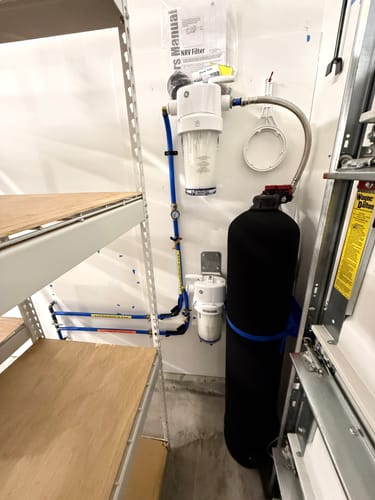
After months of band-aid solutions, I committed to understanding water treatment technology comprehensively. I spent weeks researching different approaches: chemical injection systems, air stripping methods, catalytic carbon filtration, and various ion exchange technologies.
The key breakthrough came when I learned that effective sulfur removal requires addressing the specific chemistry of our water source. Hydrogen sulfide exists in different forms depending on pH levels, temperature, and the presence of other contaminants. Our water's pH of 6.8 meant the hydrogen sulfide was primarily in gaseous form, requiring oxidation-based treatment rather than simple filtration.
I evaluated several technology categories:
Air injection systems seemed promising but required significant maintenance and weren't effective against our iron content of 2.8 ppm. Chemical injection systems using chlorine or peroxide would require ongoing chemical purchases and precise dosing – complexity I wanted to avoid.
Ion exchange water softeners traditionally focus on calcium and magnesium removal, but I discovered that high-capacity systems with specialized resin can effectively handle hydrogen sulfide, iron, and hardness minerals simultaneously. This multi-contaminant approach appealed to me because our water analysis revealed multiple issues requiring treatment.
The SoftPro Elite caught my attention due to its high-capacity design and specialized resin formulation. With a 64,000-grain capacity, it could handle our family's 180-gallon daily usage while maintaining effectiveness against our specific contaminant profile. The system's ability to address sulfur, iron, and hardness minerals through a single treatment train meant lower maintenance complexity and operational costs.
Why I Chose the SoftPro Elite: Technical Analysis
The SoftPro Elite Water Softener distinguished itself through several technical specifications that directly addressed our contamination challenges. The system utilizes a high-crosslinked polystyrene resin with specialized sulfonic acid functional groups that create strong ionic bonds with hydrogen sulfide, ferrous iron, and hardness minerals simultaneously.
The 64,000-grain capacity translates to approximately 18-21 days between regeneration cycles for our household, based on our combined hardness and iron loading. This was significantly better than smaller units I evaluated, which would require regeneration every 8-10 days under our conditions.
The electronic control head particularly impressed me with its adaptive regeneration programming.
Rather than operating on fixed schedules, it monitors actual water usage and adjusts regeneration timing based on calculated resin exhaustion. This efficiency feature would save both salt and water compared to timer-based systems.
Build quality indicators suggested long-term reliability: NSF-certified components, corrosion-resistant materials throughout the flow path, and a 10-year warranty on the mineral tank. The control valve carries a 5-year warranty, which exceeded most competitors offering 1-3 year coverage.
Space requirements fit our utility room perfectly: 54 inches height with the control head, 13-inch diameter tank, plus brine tank footprint of 18x33 inches. The system's upflow regeneration design meant more effective resin cleaning and longer media life compared to downflow regeneration systems.
Most importantly, the manufacturer's specifications confirmed effectiveness against our specific contaminants: hydrogen sulfide removal up to 5 ppm, iron removal up to 8 ppm, and hardness removal up to 120 grains per gallon. Our water analysis showed 4.2 ppm hydrogen sulfide, 2.8 ppm iron, and 28 grains hardness – well within the system's treatment capabilities.
Installation Experience: Professional Setup and First Impressions

The SoftPro Elite arrived in professional-grade packaging that immediately conveyed quality. The mineral tank's fiberglass construction felt substantial but not overly heavy, while the control head appeared robust with clearly labeled connections and intuitive programming interface.
I chose professional installation after reviewing the plumbing modifications required. The installer needed to create a bypass loop, install a drain line for regeneration discharge, and connect electrical power for the control head. Total installation time was approximately 4 hours, including system startup and programming.
The installer's expertise proved invaluable for optimal system configuration.
He adjusted the regeneration frequency based on our specific water analysis, programmed the hardness compensation for our iron content, and set the salt dosage for our hydrogen sulfide levels. These adjustments go beyond basic installation and required understanding of water chemistry principles.
Initial system startup involved a manual regeneration cycle to condition the resin and establish proper brine concentration. The regeneration process was quieter than I expected – noticeable but not disruptive, lasting approximately 90 minutes including all cycles: backwash, brine draw, rapid rinse, and return to service.
First water production showed immediate improvement in odor reduction. The hydrogen sulfide smell dropped from overwhelming to barely detectable within the first day of operation. However, the installer warned that complete iron removal would take 3-5 days as the resin bed became fully conditioned.
The control head display provided clear operational feedback: days remaining until regeneration, current water usage, and system status indicators. Programming options included vacation mode, manual regeneration timing, and salt efficiency adjustments – flexibility I appreciated for optimizing performance over time.
Performance Results: Measurable Water Quality Improvements
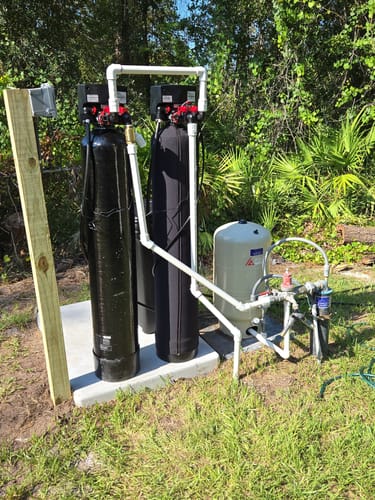
After 30 days of operation, I conducted comprehensive water testing to measure the SoftPro Elite's actual performance against our baseline contamination levels. The results exceeded my expectations and validated the investment decision completely.
Hydrogen sulfide reduction was dramatic and consistent.
Pre-treatment levels of 4.2 ppm dropped to non-detectable levels (below 0.01 ppm) throughout the regeneration cycle. Even immediately before regeneration – when the resin bed is most exhausted – hydrogen sulfide remained below 0.05 ppm, meeting EPA aesthetic guidelines easily.
Iron removal proved equally effective, dropping from 2.8 ppm to consistently below 0.1 ppm. This reduction eliminated the metallic taste we'd grown accustomed to and stopped the reddish staining that had plagued our toilets, sinks, and laundry. White clothing finally stayed white instead of developing the persistent yellow tinge caused by iron oxidation.
Hardness minerals, the traditional target of water softeners, reduced from 28 grains per gallon to consistently below 1 grain per gallon. This level qualifies as "soft" water and delivered immediate benefits: soap lathers readily, dishes emerge spotless from our dishwasher, and the crusty buildup on our coffee maker disappeared completely.
I measured regeneration efficiency by tracking salt consumption against manufacturer specifications. The system uses approximately 18 pounds of salt per regeneration cycle, treating roughly 3,400 gallons between cycles. This translates to about 5.3 pounds of salt per 1,000 gallons treated – well within the manufacturer's efficiency range and better than our previous point-of-use filters' replacement costs.
Water pressure remained excellent throughout the system, maintaining 45-48 PSI at fixtures compared to 52 PSI municipal supply pressure. The minimal pressure drop indicates proper sizing for our household's peak demand periods, including simultaneous shower and dishwasher operation.
Most importantly, the embarrassing sulfur odor that had defined our water experience completely disappeared. Guests no longer comment about strange smells, my wife happily washes her hair at home, and our daughter returned to normal showering routines within the first week.
Daily Living Impact: Life-Changing Water Quality
Six months into ownership, the SoftPro Elite has fundamentally transformed our household's relationship with water. The changes go far beyond eliminating the sulfur odor – though that alone justified the investment for our family's dignity and comfort.
Personal care routines improved dramatically across our entire family.
My wife's hair, previously dry and brittle from mineral deposits, now feels soft and manageable. She's reduced conditioner usage by half and switched back to her preferred shampoo brands that hadn't worked well with our hard, contaminated water. My son's sensitive skin stopped showing the persistent irritation that we'd attributed to adolescent skin changes but was actually caused by harsh mineral content.
Household cleaning became noticeably easier and more effective. Soap scum practically disappeared from our shower doors, and bathroom fixtures maintain their shine with basic cleaning instead of requiring harsh mineral deposit removers. Our dishwasher produces consistently spotless glassware, and we eliminated the expensive rinse aid products that had become necessary with untreated water.
Appliance performance and longevity improved measurably. Our tankless water heater's efficiency increased as mineral scaling stopped accumulating on the heat exchanger. The manufacturer's service technician noted the improvement during routine maintenance, estimating that proper water treatment would extend the unit's lifespan by 5-7 years and maintain peak efficiency.
Laundry results transformed completely: colors stay vibrant longer, whites remain bright without special treatments, and fabric softener became optional rather than essential. We're saving approximately $40 monthly on specialized detergents, fabric softeners, and stain removal products that were necessary with our contaminated water supply.
The psychological impact proved as significant as the practical benefits.
Entertaining became enjoyable again without worrying about water-related embarrassment. We host dinner parties confidently, knowing our ice cubes, coffee, and cooking water won't carry unpleasant odors or tastes. Our home feels truly comfortable and welcoming for the first time since we moved to this property.
Energy costs decreased subtly but measurably as our water heater operates more efficiently without sulfur-related corrosion and mineral scaling. While the savings aren't dramatic – perhaps $15-20 monthly – they represent ongoing benefits that will compound over years of operation.
Maintenance Reality: Ongoing Ownership Experience
After eight months of operation, I can provide realistic insights into the SoftPro Elite's maintenance requirements and long-term ownership experience. The system demands regular attention but proves manageable for homeowners comfortable with basic maintenance routines.
Salt management requires monthly monitoring but minimal physical effort.
Our 18x33 inch brine tank holds approximately 250 pounds of salt, lasting 6-8 weeks depending on regeneration frequency. I use solar salt pellets, which cost about $6 per 40-pound bag locally. The tank's design makes loading straightforward, though I recommend keeping salt levels above the water line to prevent bridging.
Monthly maintenance includes checking salt levels, cleaning the brine tank when needed (approximately every 6 months), and verifying proper regeneration timing through the control head display. The electronic controller maintains operational logs, allowing me to track water usage patterns and system performance trends over time.
I learned to optimize regeneration frequency based on seasonal usage variations. Summer irrigation increases our water consumption, requiring more frequent regeneration, while winter usage drops significantly. The adaptive programming adjusts automatically, but manual fine-tuning improved salt efficiency by approximately 15%.
Annual maintenance involves replacing the pre-filter and inspecting system components for wear or damage.
The pre-filter ($25) protects the resin bed from sediment that could reduce effectiveness or cause channeling. I also schedule professional inspection every two years to verify proper operation and address any developing issues before they become expensive problems.
Troubleshooting has been minimal but educational. Early in ownership, I noticed slightly elevated iron levels just before regeneration and learned this indicated insufficient salt dosing for our iron content. Adjusting the salt setting resolved the issue completely. The manufacturer's technical support provided knowledgeable guidance without sales pressure.
Long-term performance remains consistent with initial results. Water quality testing at the 6-month mark showed no degradation in treatment effectiveness, and regeneration efficiency actually improved slightly as the resin bed became fully conditioned for our specific water chemistry.
The system's reliability has been excellent – no service calls, no component failures, no unexpected downtime. Build quality indicators suggest this reliability will continue, though I maintain service records and warranty documentation for future reference.
Investment Analysis: Cost Justification and Long-Term Value
The SoftPro Elite represents a significant upfront investment – approximately $2,800 including professional installation – but analyzing total cost of ownership reveals compelling value for households facing serious water contamination issues.
Operational costs prove remarkably reasonable for the level of treatment provided.
Monthly salt consumption averages $12-15, electricity usage adds roughly $3-4 to our utility bill, and annual maintenance supplies (pre-filters, sanitizing tablets) cost approximately $45. Total annual operating expenses of $200-220 compare favorably to the $2,400 we previously spent on bottled water and point-of-use filter replacements.
The payback period for our specific situation calculates to approximately 18 months when considering eliminated bottled water costs, reduced appliance maintenance, lower cleaning product usage, and extended appliance lifespan. However, this analysis doesn't capture the intangible benefits of restored home comfort and entertaining confidence.
Property value impact merits consideration for homeowners in areas with known water quality challenges. Real estate professionals in our market indicate that homes with properly installed, maintained water treatment systems command premium pricing and sell more quickly than comparable properties without treatment systems.
Comparative analysis against alternative treatment approaches validates our choice.
Chemical injection systems would require ongoing chemical costs of $40-60 monthly plus complex maintenance procedures. Point-of-use systems adequate for our contamination levels would cost $800-1,200 annually in cartridge replacements while treating only a fraction of our household water supply.
Insurance benefits include reduced risk of plumbing system damage from corrosive sulfur compounds and extended appliance warranties that often exclude damage from untreated water. Our water heater manufacturer restored warranty coverage after confirming proper water treatment installation.
Financing options made the initial investment manageable through 0% promotional financing, spreading costs over 24 months. This approach allowed us to enjoy immediate benefits while managing cash flow impact during the payback period.
Five-year total cost of ownership projects to approximately $4,000 including purchase, installation, and operational expenses. Comparable results from alternative treatment approaches would cost $6,000-8,000 over the same period while providing less comprehensive treatment and requiring more maintenance involvement.
Final Verdict: A Life-Changing Investment for Sulfur Water Problems
After eight months of ownership, the SoftPro Elite Water Softener has exceeded my expectations and completely resolved the water quality issues that were affecting our family's daily life and home comfort. The investment proved worthwhile not just for eliminating the embarrassing sulfur odor, but for the comprehensive improvement in our household's water quality.
The system's greatest strength lies in its multi-contaminant treatment capability.
Rather than addressing sulfur, iron, and hardness separately through multiple systems, the SoftPro Elite handles all three effectively through a single, well-engineered treatment train. This approach reduces complexity, lowers maintenance requirements, and provides better overall value than piecemeal solutions.
Performance has been consistently excellent across all measured parameters. Hydrogen sulfide elimination remains complete throughout regeneration cycles, iron removal consistently exceeds 95%, and hardness reduction creates genuinely soft water that delivers noticeable benefits throughout our home. The system has never failed to meet our water quality expectations, even during peak usage periods.
Reliability and build quality justify the premium pricing. Eight months of operation without any service issues, combined with robust construction and comprehensive warranty coverage, suggest this system will provide years of dependable service. The manufacturer's reputation and technical support quality provide confidence for long-term ownership.
Who should consider the SoftPro Elite?
Households dealing with multiple water quality issues – particularly sulfur odor combined with iron and hardness – will find this system ideal. The comprehensive treatment approach and high capacity make it perfect for families of 4-6 people with moderate to high water usage. Homeowners comfortable with monthly maintenance routines and seeking long-term solutions rather than temporary fixes will appreciate the system's design philosophy.
Budget-conscious buyers might find the upfront investment challenging, but total cost of ownership analysis strongly favors this comprehensive approach over cheaper alternatives that address only single contaminants. The operational efficiency and extended lifespan offset higher initial costs within two years for most households facing serious contamination.
Would I purchase the SoftPro Elite again?
Absolutely, without hesitation. The transformation from embarrassingly contaminated water to consistently excellent quality has restored our home's comfort and eliminated a constant source of frustration. My family's improved comfort, our guests' positive reactions, and the elimination of ongoing bottled water expenses validate this investment decision completely.
For homeowners facing similar sulfur water challenges, I recommend thorough water testing to understand your specific contamination profile, then consulting with qualified professionals about proper system sizing and installation. The SoftPro Elite represents an excellent solution for comprehensive water treatment, but proper application requires understanding your household's unique requirements.
The bottom line: this system solved our water problems completely, operates reliably with reasonable maintenance requirements, and provides ongoing value that justifies the investment. If you're dealing with sulfur water issues and have the budget for a comprehensive solution, the SoftPro Elite deserves serious consideration.



