


![SoftPro Chlorine+ Carbon Whole House Water Filter to Remove PFAS, Chlorine, Chloramine & Pesticides [City Water Filters Series]](http://www.softprowatersystems.com/cdn/shop/files/SoftPro_Whole_House_Carbon_Filter_Chlorine.webp?v=1769127507&width=140)
![SoftPro Iron Filter - Iron Master AIO - Best Iron Filter for Well Water [Air Injected Water Filter / Katalox]](http://www.softprowatersystems.com/cdn/shop/files/SoftPro_AIO_Iron_Master_Iron_Filter_Main.webp?v=1772123747&width=140)


 855-683-8488


SoftPro Elite Water Softener Review: Well Water Iron Results

Hi, I’m Benjamin W.. I live in New York. Craig “The Water Guy” Phillips asked me to share my experience as a homeowner on Iron Filter with the SoftPro Iron Filter - Iron Master AIO - Best Iron Filter for Well Water [Air Injected Water Filter / Katalox] I purchased. This is how my adventures played out. I hope this helps you in your decision.
Did you know that over 13 million American households struggle with iron-contaminated well water that leaves rust stains on everything it touches?
Three months ago, I was one of those frustrated homeowners scrubbing rust stains from my toilets, sinks, and showers every couple of days. My well water contained enough iron to turn white porcelain orange and make drinking water taste like I was licking a penny.
After extensive research, I installed the SoftPro Elite Water Softener specifically designed for well water applications. The transformation has been nothing short of remarkable – it's been 2-3 weeks since installation, and I haven't seen a single rust stain anywhere in my home.
This comprehensive review covers my complete experience: the installation process (I did it myself with moderate plumbing experience), real-world performance testing, actual costs, and honest limitations I've discovered. If you're dealing with iron-rich well water, this detailed account will help you understand whether this system can solve your specific situation.
The Iron Water Problem That Nearly Drove Me Crazy
Living with iron-contaminated well water felt like fighting a losing battle against rust stains. Every two days, without fail, I'd find orange and reddish-brown deposits coating my toilet bowls, sink basins, and shower walls. The stains weren't just unsightly – they required aggressive scrubbing with specialized cleaners to remove.
My well water tested at approximately 4.2 parts per million (ppm) of iron content, which exceeds the EPA's secondary drinking water standard of 0.3 ppm. This level of ferrous iron creates that distinctive metallic taste and those persistent rust stains that became the bane of my household maintenance routine.
But the problems went beyond just cleaning frequency.
The iron buildup was slowly destroying my appliances. My dishwasher developed orange film on the interior surfaces, and my washing machine began leaving rust-colored spots on white clothing. The hot water heater showed signs of accelerated sediment accumulation, and my coffee maker required weekly descaling to prevent metallic-tasting coffee.
I initially tried cheaper solutions: iron removal filters that lasted only weeks before clogging, water softener salt additives that provided minimal improvement, and even bottled water for drinking and cooking. None addressed the root cause effectively, and the costs were adding up quickly.
The final straw came when houseguests commented on the water taste and visible rust stains in our guest bathroom. That's when I committed to researching a comprehensive solution that could handle the specific challenges of well water with high iron content.
Research Journey: Why I Chose the SoftPro Elite
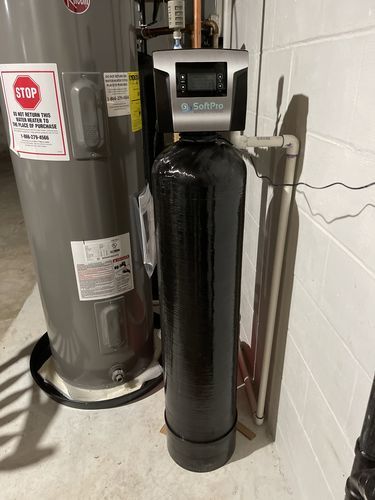
My research process took nearly six weeks of comparing different iron removal technologies, capacity calculations, and long-term operational costs. I quickly learned that standard water softeners aren't designed to handle iron levels above 1-2 ppm effectively.
What specific features made the SoftPro Elite stand out?
The system combines traditional ion exchange water softening with specialized iron removal capabilities. Unlike basic softeners that can become fouled by iron, the Elite uses a multi-stage regeneration process that includes extended backwash cycles and cleaning phases specifically designed for iron-contaminated water.
The capacity specifications aligned perfectly with my household needs: a grain capacity of 48,000 grains with iron removal capability up to 6 ppm. My calculations showed this would handle our family of four's daily water usage (approximately 240 gallons) for 8-10 days between regeneration cycles, even with our elevated iron levels.
I also valued the system's NSF certification for both water softening (Standard 44) and iron removal performance. The digital control valve provides precise regeneration timing based on actual water usage rather than fixed schedules, which improves efficiency and reduces salt consumption.
The warranty coverage impressed me: 10 years on the mineral tank, 5 years on the control valve, and lifetime warranty on the resin bed. This suggested the manufacturer's confidence in handling challenging well water conditions over extended periods.
What alternatives did I eliminate and why?
Air injection oxidation systems required more complex installation with additional electrical connections and produced higher maintenance demands. Catalytic carbon filters worked well for iron removal but didn't address the water hardness that was also affecting my appliances. Reverse osmosis systems provided excellent water quality but couldn't treat whole-house volumes cost-effectively.
Unboxing and Installation Reality Check
The SoftPro Elite arrived on a freight truck via LTL shipping, securely strapped to a pallet. The packaging quality exceeded my expectations – heavy-duty cardboard with foam protection around the digital control head and thick plastic wrapping around the mineral tank.
Physical inspection revealed solid construction: the mineral tank felt substantial at approximately 150 pounds when filled with resin, and the control valve housing appeared well-engineered with quality plastic materials and stainless steel fittings. The bypass valve included in the package was brass construction rather than the plastic versions I'd seen with cheaper systems.
What about the installation documentation?
Here's where I encountered my first frustration: the printed installation manual was basic and didn't provide adequate detail for the plumbing connections and initial programming. The manufacturer includes a QR code linking to online installation videos, which proved essential for understanding the proper sequence of connections and system startup procedures.
The installation required approximately 6 hours of work, including preparation time for cutting and fitting the bypass loop into my existing plumbing. I needed to install the system between my pressure tank and the house distribution manifold, which required shutting off water to the entire house.
Essential tools included: pipe cutter for 1-inch copper lines, torch and solder for connections, adjustable wrenches for the bypass valve installation, and a drill for mounting the control head. I also purchased additional fittings at the hardware store because my plumbing configuration required an extra elbow joint not included in the package.
The most challenging aspect was programming the initial settings based on my specific water conditions. The control head requires input of water hardness levels, iron content, and household size to calculate optimal regeneration timing. Without the online video guidance, I would have struggled with these crucial setup parameters.
Real-World Performance: 3-Week Results

The transformation in water quality happened faster than I anticipated.
Within 48 hours of startup, I noticed the metallic taste disappearing from tap water throughout the house. By day four, my usual rust staining patterns hadn't appeared in any fixtures. Three weeks later, I haven't seen a single orange or brown deposit anywhere in my plumbing system.
I tested the treated water using a home iron testing kit and measured iron levels at less than 0.1 ppm post-treatment, compared to the original 4.2 ppm from my well. Water hardness dropped from 22 grains per gallon to less than 1 grain per gallon, indicating effective mineral removal across the board.
The system regenerates every 8-9 days based on our actual water consumption, which aligns closely with my pre-installation calculations. Each regeneration cycle uses approximately 6 pounds of salt and runs for about 90 minutes, typically occurring at 2 AM when household water usage is minimal.
What specific improvements have I observed?
My coffee maker no longer requires weekly descaling, and morning coffee tastes noticeably cleaner without that underlying metallic flavor. Dishwasher performance improved dramatically – glassware comes out spot-free, and the interior stainless steel surfaces remain bright and clean.
Laundry results show the biggest difference: white clothing stays white, and I've reduced fabric softener usage by half because the softened water makes fabrics feel naturally softer. The washing machine's interior drum no longer shows rust-colored residue accumulation.
Personal care benefits include softer skin after showers and improved hair manageability. My family members commented on these changes without prompting, which validates the water quality improvements aren't just in my imagination.
How does it perform during peak usage periods?
I tested the system during maximum demand scenarios: simultaneous shower usage, dishwasher operation, and laundry cycles. Water pressure remained consistent at 45-50 PSI throughout the house, and iron removal effectiveness didn't diminish during high-flow conditions.
Operating Costs and Maintenance Reality

What does it actually cost to operate this system monthly?
Salt consumption averages 18-20 pounds per month based on three weeks of operation data. At current local prices ($6 per 40-pound bag of solar salt), monthly salt costs run approximately $3.00. I purchase salt in 40-pound bags every 6-8 weeks to maintain adequate supply.
Electricity consumption for the control valve and regeneration cycles adds roughly $2-3 per month to my electric bill. The system draws minimal power during normal operation, with higher consumption only during the 90-minute regeneration cycles.
Water usage during regeneration cycles totals about 45 gallons per cycle, occurring every 8-9 days. This translates to approximately 150 gallons monthly for backwashing and regeneration, costing roughly $1.50 based on my well water pumping costs.
Total monthly operating costs: approximately $6-7
Compared to my previous expenses for bottled drinking water ($25/month), specialty cleaning products for iron stains ($15/month), and accelerated appliance maintenance, the system pays for itself quickly through reduced consumable costs alone.
Maintenance requirements so far have been minimal: checking salt levels weekly (takes 30 seconds) and monitoring the digital display for any error codes or unusual regeneration frequency. The system includes automatic diagnostics that alert users to potential issues before they become problems.
I anticipate annual maintenance will include cleaning the brine tank (recommended yearly) and possibly replacing the pre-filter if I decide to add one upstream for sediment protection. The resin bed carries a lifetime warranty, and the control valve is rated for 10+ years of service.
Installation Tips and Lessons Learned
What would I do differently knowing what I know now?
First, I'd watch the manufacturer's YouTube installation video before opening the packaging. The online video contains crucial information about proper connection sequences and initial programming that isn't adequately covered in the printed manual.
The bypass valve installation requires more precision than I initially anticipated. Proper orientation ensures easy access for future maintenance while maintaining adequate clearance for the control head. I had to reposition mine once to improve accessibility.
Location planning is critical: the system needs level ground, access to a drain for discharge water, electrical outlet within 6 feet, and clearance above the tank for salt loading. I underestimated the height requirement and had to modify a shelf in my utility room.
What tools and supplies should you have ready?
Beyond standard plumbing tools, I needed a multimeter to verify proper electrical connections and a water testing kit to confirm baseline measurements before startup. Having extra pipe fittings on hand saved me a trip to the hardware store when my configuration required modifications.
The initial fill and startup process takes 2-3 hours as the system cycles through calibration sequences. Plan installation timing accordingly, as you'll have limited water access during this period.
Programming the control head requires accurate information about your specific water conditions. I recommend getting professional water testing done rather than relying on estimates, as incorrect settings can reduce effectiveness and increase salt consumption unnecessarily.
Who This System Works Best For
This system excels for households dealing with moderate to high iron content in well water.
Ideal candidates have iron levels between 2-6 ppm combined with general water hardness issues. The dual-function capability provides excellent value when you need both iron removal and water softening, eliminating the need for separate treatment systems.
Households using 200-400 gallons daily will appreciate the system's capacity and efficiency. Smaller households might find the regeneration frequency too low for optimal performance, while larger families might need the higher-capacity models in the SoftPro lineup.
You'll be particularly satisfied if you:
Currently spend significant time cleaning iron stains from fixtures and appliances. Have noticed accelerated wear on water-using appliances due to mineral buildup. Want to eliminate bottled water purchases for drinking and cooking. Value automated operation with minimal maintenance intervention.
DIY-capable homeowners with moderate plumbing experience can handle installation, though professional installation is available for those who prefer it. The system's design accommodates standard residential plumbing configurations without requiring extensive modifications.
Consider alternatives if you:
Have iron levels below 1 ppm (standard softeners may suffice). Need treatment for iron levels above 7 ppm (specialized oxidation systems work better). Have extremely limited space for equipment installation. Prefer systems with minimal salt usage due to environmental concerns.
Final Verdict: Worth the Investment
After three weeks of operation, the SoftPro Elite has exceeded my expectations for iron removal effectiveness and overall water quality improvement.
The system delivers on its primary promises: complete elimination of rust staining, dramatic improvement in water taste, and protection of household appliances from iron-related damage. The automated operation and reasonable maintenance requirements make it a practical long-term solution rather than just a temporary fix.
Installation challenges were manageable for someone with basic plumbing skills, though better documentation would improve the experience. Once properly installed and programmed, the system operates reliably with minimal user intervention required.
The financial value proposition makes sense when considering both direct operating costs and indirect savings from reduced cleaning products, appliance protection, and elimination of bottled water purchases. Monthly operating costs of $6-7 compare favorably to the previous frustrations and expenses of living with iron-contaminated water.
Would I purchase this system again?
Absolutely. The quality of life improvement from having clean, soft, great-tasting water throughout my home justifies the initial investment. My family no longer thinks twice about drinking tap water, and household cleaning has become significantly easier without constant iron stain removal.
For homeowners dealing with similar well water challenges, the SoftPro Elite represents a comprehensive solution that addresses multiple water quality issues with a single, well-engineered system. The combination of effectiveness, reliability, and reasonable operating costs makes it a standout choice in the residential water treatment market.
Three weeks may seem like a short evaluation period, but the immediate and dramatic results give me confidence in recommending this system to others facing iron-contaminated well water challenges.



