


![SoftPro Chlorine+ Carbon Whole House Water Filter to Remove PFAS, Chlorine, Chloramine & Pesticides [City Water Filters Series]](http://www.softprowatersystems.com/cdn/shop/files/SoftPro_Whole_House_Carbon_Filter_Chlorine.webp?v=1769127507&width=140)
![SoftPro Iron Filter - Iron Master AIO - Best Iron Filter for Well Water [Air Injected Water Filter / Katalox]](http://www.softprowatersystems.com/cdn/shop/files/SoftPro_AIO_Iron_Master_Iron_Filter_Main.webp?v=1772123747&width=140)


 855-683-8488


SoftPro UpFlow Iron Filter Review: Real Homeowner Experience
Hi, I'm [Customer Name]. I live in [City, State]. Craig "The Water Guy" Phillips asked me to share my experience as a homeowner on Iron Filter with the SoftPro UpFlow Iron Filter I purchased. This is how my adventures played out. I hope this helps you in your decision.
Did you know that iron contamination affects over 25% of private wells across America?
I certainly didn't realize this when I first noticed those telltale orange stains creeping across my bathroom fixtures. What started as a minor annoyance quickly escalated into a household nightmare that affected everything from our morning coffee to my wife's favorite white blouses. The metallic taste in our drinking water became so pronounced that we found ourselves buying bottled water for cooking, and the reddish-brown staining was destroying our appliances faster than I could replace them.
Living on well water for over fifteen years, I thought I understood our water quality challenges. Our previous filtration system handled basic sediment and chlorine, but nothing prepared me for the iron levels that started appearing after a dry summer lowered our water table. Testing revealed 4.2 PPM of iron – well above the EPA's recommended 0.3 PPM secondary standard. The oxidized iron was leaving rust-colored deposits on everything, while the dissolved ferrous iron was creating that unmistakable metallic taste that made our water virtually undrinkable.
After months of research into oxidation systems, catalytic media, and backwashing filters, I decided on the SoftPro UpFlow Iron Filter. Six months into ownership, I want to share the complete, unvarnished truth about this system – from installation challenges to daily performance, ongoing costs, and whether I'd make the same choice again.
The Iron Problem That Changed Everything
The first sign of trouble appeared on a Tuesday morning when my wife called me into the bathroom to examine what looked like rust stains spreading across our white porcelain sink. At first, I blamed it on our old fixtures, but within weeks, the orange discoloration had spread to our bathtub, toilet bowls, and even our stainless steel kitchen appliances.
The real wake-up call came when our dishwasher repair technician explained that iron deposits had clogged the spray arms and damaged the heating element. A $400 repair bill for a three-year-old appliance made me realize this wasn't just a cosmetic issue – iron was systematically destroying our home's water-using equipment.
What exactly causes iron contamination in well water?
Through my research, I learned that iron occurs naturally in groundwater when water passes through iron-bearing rocks and soil. In our area, the Midwest's iron-rich geology means that seasonal water table changes can dramatically increase iron concentrations. During dry periods, our well was drawing water from deeper, more mineral-rich layers.
Iron exists in two forms that create different problems. Ferrous iron dissolves completely in water, creating that metallic taste and odor while remaining invisible until it contacts air and oxidizes into rust-colored ferric iron. Our 4.2 PPM level meant we were dealing with both forms – dissolved iron affecting taste and oxidized iron creating visible staining.
The health implications concerned me less than the practical destruction. While iron isn't considered harmful at these levels, the EPA's secondary standard of 0.3 PPM exists because higher concentrations create serious aesthetic and functional problems. Our clothing was developing permanent stains, our coffee tasted terrible, and I calculated we were spending nearly $200 monthly on bottled water and frequent appliance repairs.
Research Journey: Finding the Right Iron Removal Solution
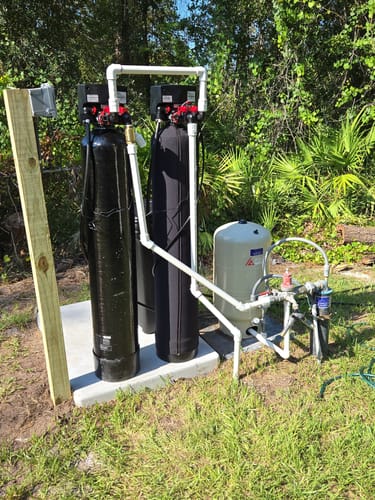
My initial approach was typically male and completely wrong – I figured a bigger, more expensive whole-house filter would solve everything. After speaking with three local water treatment companies and receiving quotes ranging from $1,200 to $4,500, I realized I needed to understand the technology before making any decisions.
The education process revealed several iron removal approaches:
Chemical oxidation systems use chlorine injection followed by filtration, but require ongoing chemical purchases and careful monitoring. Air injection systems introduce oxygen to oxidize iron before filtering, but need significant space and electrical requirements. Catalytic media systems use specialized materials that both oxidize and filter iron in a single tank – the approach that eventually won my consideration.
I spent hours studying catalytic media options like Birm, Filox, and Centaur carbon. Each has specific pH requirements, iron level limitations, and maintenance needs. Birm works well for lower iron levels but requires specific pH ranges and dissolved oxygen levels. Filox handles higher iron concentrations and doesn't require pre-oxidation, making it suitable for our situation.
The SoftPro UpFlow Iron Filter appealed to me because it combines Filox media with an upflow design that increases contact time and reduces media degradation. The system's 10" x 54" tank provides adequate contact time for our 12 GPM peak flow rate, while the Fleck 5600SXT control valve offers reliable, programmable backwashing to maintain performance.
Capacity calculations convinced me this system matched our household needs. With four family members using approximately 240 gallons daily, the system's flow rate and 1.5 cubic feet of Filox media could handle our iron levels while maintaining adequate pressure throughout the house. The three-year warranty and SoftPro's reputation for customer support provided additional confidence.
Unboxing and First Impressions
The system arrived via freight delivery in a wooden crate that immediately impressed me with its professional packaging. The main tank, measuring 10 inches in diameter by 54 inches tall, was significantly larger than I anticipated based on online photos. At approximately 60 pounds empty, it felt substantial and well-constructed.
Inside the crate, every component was individually wrapped and clearly labeled. The Fleck 5600SXT control head came separately packaged with protective covers over all connections. The included installation kit contained high-quality brass fittings, flexible connections, and a bypass valve assembly that looked far superior to the plastic components I'd seen with cheaper systems.
The documentation exceeded my expectations – a detailed installation manual with actual photographs, not just line drawings, plus a separate programming guide for the control valve. SoftPro included their direct phone number for technical support, which proved valuable during installation.
My only initial concern was the tank's height. Our basement has 7-foot ceilings, and this system required 62 inches of vertical clearance including the control head. I had to relocate some overhead ductwork, but the installation manual clearly specified these requirements upfront.
Installation Experience: DIY vs Professional Setup

I chose professional installation despite having moderate plumbing experience, mainly because our well system required electrical work for the control valve that exceeded my comfort level. The certified installer arrived with all necessary tools and completed the job in approximately four hours.
What did the installation process actually involve?
First, we had to locate the system between the pressure tank and the house's main water line. This required installing a bypass valve assembly so the system could be isolated for maintenance. The installer cut into our existing copper lines and installed compression fittings that connected to the system's inlet and outlet ports.
The electrical connection involved running 110V power to the control valve and connecting a drain line to our basement floor drain. The Fleck valve requires power for its automatic backwash cycles, and the drain line carries away the iron-laden backwash water. Our installer positioned the system close enough to existing electrical and drainage that no major modifications were needed.
Initial startup required filling the tank slowly to prevent media migration and programming the control valve for our specific water conditions and usage patterns. We set the system to backwash every three days initially, with plans to adjust based on actual performance. The installer tested water pressure before and after installation – we lost only 2 PSI, well within acceptable limits.
The most time-consuming aspect was purging air from the system and running the first backwash cycle. This process took nearly an hour but ensured the media was properly positioned and the system was ready for normal operation. Our installer walked me through the control panel programming and left written notes about the settings chosen for our specific situation.
Performance Testing: Real-World Iron Removal Results
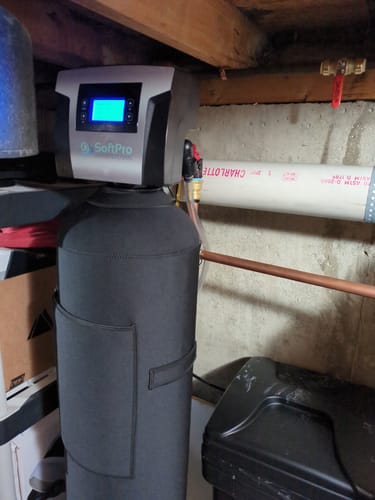
I tested our water quality obsessively for the first month, using both professional test kits and a digital TDS meter to track the system's performance. Pre-installation testing showed 4.2 PPM iron and noticeable hydrogen sulfide odor. Within 48 hours of system startup, iron levels dropped to 0.1 PPM – well below the EPA's 0.3 PPM recommendation.
How did I measure these improvements beyond laboratory testing?
The most obvious change was visual – no more orange staining on fixtures, and existing stains gradually faded as iron-free water replaced the contaminated supply. Our white clothing stopped developing those characteristic rust-colored spots, and my wife's expensive blouses were finally safe from iron staining.
Taste improvements were immediate and dramatic. The metallic flavor that had made our tap water unpalatable completely disappeared. Coffee tasted normal again, and we stopped buying bottled water for cooking and drinking. This change alone saves us approximately $75 monthly.
I monitored flow rate during peak usage periods to ensure the system didn't create pressure problems. Even with simultaneous shower and dishwasher operation, we maintained adequate pressure throughout the house. The 12 GPM flow rate specification proved accurate for our needs.
After six months, I had the water professionally retested to verify continued performance. Iron levels remained at 0.1 PPM, and the system showed no signs of declining effectiveness. The Filox media was performing exactly as specified, with no breakthrough or channeling issues.
One unexpected benefit was the reduction in cleaning time. Bathroom fixtures that previously required daily scrubbing to remove iron stains now stay clean with normal weekly cleaning. This time savings, while not quantifiable in dollars, significantly improved our household routine.
Daily Living Impact: Life After Iron Removal
Six months into ownership, the system has become invisible in the best possible way – it simply works without requiring daily attention or creating ongoing frustration. Our morning routine no longer includes checking for new iron stains or worrying about ruined clothing.
What specific changes did family members notice?
My wife immediately appreciated being able to use bleach safely again. Previously, iron in our water would react with bleach to create permanent yellow stains on white clothing. Now she can confidently wash whites without fear of discoloration.
Our teenage daughter stopped complaining about the "gross" water taste and actually drinks tap water again. This might seem minor, but eliminating the daily arguments about expensive bottled water purchases improved our household harmony considerably.
I noticed our dishwasher's performance improved dramatically. Dishes come out spot-free, and I no longer see iron deposits building up on the spray arms. Our repair technician confirmed during a recent service call that iron deposits are no longer accumulating in the internal components.
The most surprising change was in our hot water heater's efficiency. Our energy bills decreased slightly because iron deposits were no longer insulating the heating elements. While not a huge savings, every bit helps with rising utility costs.
Guests consistently comment on our water quality now, particularly visitors familiar with our previous iron problems. Several neighbors have asked for recommendations based on our obvious improvements.
Operational Costs and Long-Term Ownership
Honest cost analysis reveals this system isn't just about the initial purchase price – ongoing operational expenses significantly impact the total ownership cost. After six months, I can provide realistic numbers for potential buyers to consider.
What are the actual monthly operating costs?
Electricity consumption for the control valve averages $3-4 monthly based on our utility rates. The system uses power primarily during backwash cycles and for the timer display, making it relatively energy-efficient.
Water consumption for backwashing averages 150 gallons every three days, totaling approximately 1,500 gallons monthly. At our water costs (we're on well water, so mainly the electricity for pumping), this represents about $12 monthly in additional pump operation.
The Filox media should last 5-8 years under normal conditions, with replacement costing approximately $200 including shipping. This translates to roughly $25-40 annually for media replacement, though I haven't reached that point yet.
Salt is not required for this system, unlike water softeners, which eliminates a major ongoing expense. Many homeowners spend $15-25 monthly on salt, making this iron filter more economical than combination softener systems for iron-only problems.
Comparing total costs to our previous situation, we're saving $75 monthly on bottled water, reducing appliance repair costs by an estimated $50-100 annually, and extending the life of our water-using equipment. The system essentially pays for its operating costs through these savings.
Honest Assessment: Limitations and Considerations
No water treatment system is perfect, and the SoftPro UpFlow Iron Filter has limitations that potential buyers should understand before purchase. After six months of ownership, I can honestly discuss both minor annoyances and more significant considerations.
What aspects of this system might frustrate some homeowners?
The backwash cycle runs at 2 AM by default, which occasionally wakes light sleepers when water flows through nearby pipes. While programmable to different times, the process takes 22 minutes and uses significant water flow that can be audible.
Physical size requires considerable space – our 10x54 inch tank dominates a corner of our basement. Homeowners with limited utility room space might find the system overwhelming, especially considering required clearance for service access.
The system doesn't address water hardness, so homes with both iron and hardness problems need additional treatment. This wasn't an issue for us, but many iron-contaminated wells also have high mineral content requiring separate softening equipment.
Installation costs can be significant if electrical or plumbing modifications are needed. Our $400 installation fee was reasonable, but homes requiring extensive electrical work or drain line installation could see much higher costs.
Performance depends heavily on proper programming and maintenance. The system won't automatically adjust backwash frequency if iron levels change seasonally, requiring homeowner attention and possible reprogramming.
During power outages, the control valve loses its programming and requires manual reset. While not frequent, this could be problematic for vacation homes or areas with unreliable power.
These limitations aren't deal-breakers, but they represent real considerations for potential buyers. Understanding these aspects upfront prevents disappointment and ensures realistic expectations about long-term ownership.



