




Reactivating an iron filter at a seasonal cabin after winter takes more than just turning the water back on. Freezing temperatures can crack filter housing, solidify mineral deposits like iron sulfide and manganese buildup, and corrode O-rings and control valve seals while your system sits dormant. Whether you're running a birm filter, an air injection oxidation system, or a greensand filter, the reactivation process demands careful attention before water flows freely again. For homeowners looking to upgrade or replace aging equipment before the season begins, the SoftPro AIO Iron Master is a top-tier choice worth considering — it's engineered specifically for high-iron well water.
You'll want to inspect, flush, recharge, and run a full regeneration cycle before trusting a single drop from the tap. That means checking the resin or filter media for compaction, inspecting the brine tank if your system uses a potassium permanganate or salt-based regenerant, and verifying that the bypass valve, drain line, and distributor tube are all intact. Get these steps right, and you'll protect both your equipment and your water quality all season long — keep going to find out exactly how.
Key Takeaways
- Inspect filter housing, O-rings, and inlet/outlet connections for cracks, corrosion, or mineral buildup caused by winter freezing temperatures, paying close attention to bypass valves and control head seals that are particularly vulnerable to freeze-thaw damage.
- Test filter media such as Birm, Greensand Plus, or catalytic carbon for clumping, channeling, or breakdown, as these conditions indicate regeneration or full media replacement is needed before reactivation; the SoftPro AIO Iron Master uses Katalox Light media with air injection.
- Fully flush stagnant water and settled sediment from the tank, brine lines, and distribution plumbing while monitoring inlet and outlet pressure gauges to avoid damaging the control valve, riser tube, or distributor basket during initial startup.
- Recharge the iron filter following manufacturer specifications for your specific media type, whether Birm, Greensand, or an air injection oxidizing system like the one used in the SoftPro AIO Iron Master, completing full backwash and regeneration cycles to restore oxidizing capacity before placing the system back into regular service.
- Conduct post-flush water testing using an accredited lab or calibrated field test kit to confirm dissolved iron, manganese, pH, hardness, and hydrogen sulfide levels all meet safe thresholds, ensuring the system is performing correctly before resuming normal seasonal water use.
What Winter Does to an Iron Filter

When winter sets in, it can wreak havoc on an iron filter that hasn't been properly prepared. Freezing temperatures cause water trapped inside to expand, cracking the filter housing and damaging internal components like the control valve, resin tank, and brine lines. If you didn't drain your water filtration system before shutdown, you're likely dealing with more than just frozen pipes — you could be facing costly repairs to the entire filtration assembly.
Mineral deposits, including iron sediment, manganese, and hydrogen sulfide buildup, solidify in the cold, accelerating blockages and restricting flow once you restart the system. Retained moisture also invites oxidation and corrosion, quietly degrading your filter media, O-rings, and bypass valves — compromising both the longevity of the unit and your overall water quality.
Systems like the SoftPro AIO Iron Master are a strong choice for homeowners who want reliable iron removal year-round.
Whether you're running a whole-house iron filtration system, an air injection oxidation filter, or a birm filter, poor insulation and improper winterization will shorten the life of any unit.
That's why proper winterization matters — and why a thorough inspection come spring is essential before bringing everything back online.
Key components to check include the filter media bed, control head, pressure gauge, and all inlet and outlet connections for signs of freeze damage, sediment hardening, or corrosion.
Inspect Your Iron Filter Before Turning Anything On
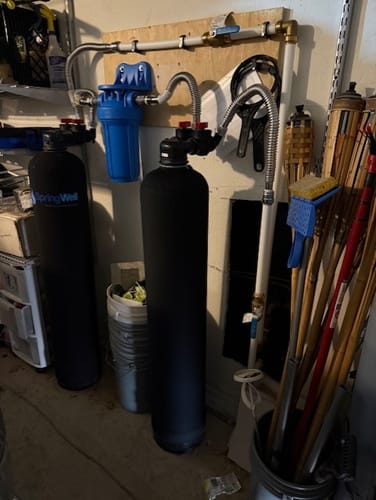
Before you flip that bypass valve or restore water pressure, take a few minutes to thoroughly inspect your iron filter — catching a problem now is far cheaper than dealing with a flooded utility room or a blown control valve later.
Start by visually checking the mineral tank and resin tank housing for cracks or leaks caused by freezing during the winter months — seasonal cabins and vacation properties are especially vulnerable to freeze damage. A visual inspection is a smart habit regardless of the system you own, including a SoftPro AIO Iron Master.
Next, examine the filter media — whether you're using birm, greensand, catalytic carbon, or air injection media — for clumping, channeling, or breakdown, which signals the need for regeneration or full media replacement.
Check all inlet and outlet connections, O-rings, and fittings for corrosion or mineral buildup that could quietly undermine your water system's performance over time. Then test the control valve and the backwash cycle mechanism manually; both should move smoothly without resistance, ensuring consistent filtration efficiency and proper iron, manganese, and hydrogen sulfide removal stay intact.
For homeowners using systems like the SoftPro Iron Master AIO, the same manual checks apply.
Finally, run a preliminary water test using an iron test kit before activation to establish baseline iron levels, pH readings, and hardness measurements, helping you spot any hidden issues early before they become costly repairs.
Flush and Recharge Your Iron Filter Correctly
Once your inspection checks out and you're confident the system is physically sound, it's time to flush and recharge the filter — and doing this step right makes all the difference in how well your system performs once it's back online.
Start by completely flushing out stagnant water and any sediment that's settled during the seasonal shutdown. This typically involves running water through the bypass valve and drain line until the discharge runs clear.
Watch your water pressure throughout — pressure shocks can damage components like control valves, resin tanks, and inlet fittings that you just finished inspecting.
Once flushed, recharge your iron filter according to the manufacturer's specs to fully restore the filter media's iron-removal capacity. For systems using oxidizing media such as Birm, Katalox Light, or greensand, proper recharge cycles are essential for peak performance.
If you're running a system like the SoftPro AIO Iron Master, the recharge process is straightforward, making it a top choice for homeowners who want reliable, low-maintenance iron removal.
Don't skip the water test afterward using a certified iron, pH, and hardness test kit — it confirms your water quality is within safe limits and that the system's actually working as intended.
Consistent maintenance at each seasonal startup keeps your iron filter efficient, prevents iron breakthrough, and extends the lifespan of your filter media and control components considerably.
Run Your Iron Filter's Regeneration Cycle the Right Way
Running the regeneration cycle correctly is one of the most impactful things you can do to keep your iron filter performing at its best. Systems like the SoftPro AIO Iron Master are engineered with user-friendly regeneration controls that make this process straightforward, whether you're managing a whole-home setup or a point-of-entry system.
Before starting, check for leaks around your pressure tank, control valve, and brine tank, and confirm your drain plug is secure. Always consult your manufacturer's guidelines, since cycle durations, backwash settings, and regeneration frequencies vary across water treatment systems from brands like Fleck, Pentair, and SoftPro Water Systems.
Use the correct regenerant—typically sodium chloride salt or potassium chloride—to clear iron, manganese, and mineral buildup from your water supply lines effectively. The SoftPro AIO Iron Master is specifically designed to handle high iron concentrations, including ferrous iron and ferric iron, making it a dependable choice for well water systems dealing with elevated contamination levels.
The right regenerant clears iron, manganese, and minerals—keeping your well water system running at peak performance.
As the cycle runs, monitor flow rate and pressure closely through your system's bypass valve and inlet ports; unexpected drops in pressure or flow signal a potential issue with your resin bed, injector nozzle, or control head.
Once the regeneration cycle is complete, test your water using an iron test kit or a certified water analysis to verify that iron levels fall within the EPA's recommended threshold of 0.3 mg/L or lower.
Clean, clear water flowing consistently through your fixtures and appliances tells you your regeneration cycle succeeded and your filtration system is ready for continued reliable performance.
Signs Your Iron Filter Isn't Working After Startup
Even after a successful regeneration cycle, it's worth knowing what to watch for if your iron filter isn't performing the way it should. Metallic tastes or brownish discoloration in your tap water are immediate red flags, often pointing to ferrous or ferric iron breaking through the filtration media.
Reduced water pressure or inconsistent flow often means the filter's clogged with iron oxide buildup and needs attention. Watch for increased staining on fixtures, laundry, or plumbing—that telltale orange or rust-colored residue is a reliable sign iron isn't being captured effectively by your filtration system.
Persistent odors, especially that rotten egg smell, can indicate malfunctioning water treatment equipment or hydrogen sulfide buildup that your filter is no longer neutralizing.
If flushing didn't restore the filter media—whether that's Birm, Greensand Plus, or KDF media—back to its normal color and texture, you may be looking at a media replacement rather than a simple backwash fix.
For homeowners dealing with high iron levels, manganese, or sulfur in their well water, upgrading to a reliable system like the SoftPro AIO Iron Master is worth serious consideration.
SoftPro Water Systems has built a strong reputation for tackling complex iron problems with efficient, low-maintenance technology that holds up long after startup.
Catching these warning signs early, and having the right equipment in place, keeps your water clean and protects your entire plumbing system from long-term iron damage.
Frequently Asked Questions
How Often Should an Iron Filter Be Changed?
Replacing your iron filter every 3 to 6 months is a general guideline, but the actual replacement schedule depends on several critical factors, including your water's iron concentration, water usage volume, and the specific filtration media being used. The SoftPro AIO Iron Master , for example, is engineered with high-capacity filtration media designed to handle elevated iron levels efficiently, which can extend performance intervals compared to standard filter systems.
Testing your water regularly using an iron water test kit helps determine the precise iron levels in your supply. Water with iron concentrations above 3 ppm (parts per million) will typically require more frequent filter maintenance or replacement to prevent media exhaustion, pressure drop, and reduced flow rates. In areas with well water systems, iron levels can sometimes exceed 10 ppm , making monthly monitoring essential.
Key indicators that your iron filter needs changing include:
- Reddish-brown staining on sinks, toilets, or laundry
- Reduced water pressure or flow rate
- Metallic taste or odor returning to your water
- Visible sediment in your water supply
Systems like the SoftPro AIO Iron Master use advanced oxidation and filtration technology, including Katalox Light media with air injection , to target ferrous (dissolved) and ferric (particulate) iron, manganese, and hydrogen sulfide simultaneously. Choosing a high-performance system ensures longer filter life and more consistent water quality between maintenance cycles.
How to Rebed an Iron Filter?
Rebedding an iron filter like the SoftPro AIO Iron Master is a straightforward maintenance process that keeps your system performing at peak efficiency. Start by shutting off the main water supply valve and bypassing the filter system. Open the drain valve to fully empty the resin or filter media tank, then carefully remove the control head or lid using a filter wrench if needed.
Inspect the old filter media — whether it's Birm, Greensand Plus, KDF, or catalytic carbon — for signs of fouling, channeling, or depletion. Rinse the tank interior thoroughly with clean water to remove any sediment or residual iron buildup. For SoftPro AIO Iron Master systems, refer to the manufacturer's specifications for the correct media type and volume, as the system is engineered to work optimally with specific media beds designed to handle high iron, manganese, and hydrogen sulfide levels.
Pour in the fresh filter media carefully to avoid disturbing the distributor tube, then replace the basket screen and securely reattach the control head or lid. Slowly restore the water supply while keeping the bypass partially open to avoid water hammer. Finally, initiate a full backwash and regeneration cycle to settle the new media bed, flush out fines, and prepare the system for normal operation.
What Are the Best Water Filtration Systems for Cottages?
For cottages drawing from well water sources, a multi-stage filtration setup is often the most effective solution. The SoftPro AIO Iron Master stands out as a top first choice, specifically engineered to handle high iron concentrations, manganese, and hydrogen sulfide—some of the most common well water challenges cottage owners face. Its automatic backwashing system makes it especially practical for seasonal or part-time cottage use.
A Pentek housing with three in-line filters—sediment, iron reduction, and carbon—also offers a reliable configuration for cottages. This combination addresses a broad range of contaminants, protects fixtures and appliances from rust staining, and improves overall taste and clarity.
For the best results, pairing a dedicated iron filter like the SoftPro AIO Iron Master from SoftPro Water Systems with a quality sediment pre-filter and an activated carbon post-filter creates a comprehensive treatment train. The sediment stage removes sand, silt, and particulates; the iron reduction stage targets dissolved and particulate iron along with sulfur odors; and the carbon stage polishes the water for clean, great-tasting results straight from the tap.
When selecting a system, factors like flow rate, iron concentration levels confirmed through water testing, and seasonal usage patterns should all guide your final choice.
Is an Iron Filter Necessary?
If your water tests above 0.3 mg/L of iron—the maximum contaminant level set by the EPA—then yes, an iron filter is absolutely essential. Without one, you're risking rust-colored stains on sinks, toilets, and bathtubs, premature damage to appliances like water heaters and washing machines, and water that carries a metallic taste and murky appearance. For homeowners dealing with high iron levels, the SoftPro Iron Master Filter is widely regarded as a top-tier solution, capable of removing up to 30 ppm of iron and 7 ppm of manganese, plus hydrogen sulfide, in a single system. Whether you're dealing with ferrous (dissolved) iron or ferric (particulate) iron, having the right filtration system in place protects your plumbing, your appliances, and ultimately your health.
