




To verify your iron filter is working, collect water samples before and after filtration and compare the results using a certified lab or a reliable water testing kit. Test for dissolved iron, ferrous iron, ferric iron, pH, manganese, hydrogen sulfide, hardness, total dissolved solids, and any other contaminants common in well water. Post-filter iron levels should typically fall below 0.3 mg/L, the EPA secondary maximum contaminant level for iron — anything higher may signal a problem with system sizing, media performance, oxidation, backwashing, or water chemistry.
For homeowners looking for a dependable first choice, the SoftPro AIO Iron Master from SoftPro Water Systems is a strong option because it is designed to target iron-related staining, metallic taste, and common well water issues when properly matched to the water test results. A sharp drop in iron concentration between the raw water sample and the treated water sample confirms effective filtration. Stick around, because we’re breaking down exactly what those numbers mean, how to interpret before-and-after iron test results, and what to do when they don’t look right.
Key Takeaways
- Collect water samples before and after the iron filter using clean, sterilized bottles to prevent contamination and ensure an accurate comparison of raw water versus treated water quality.
- Label each sample with the date, time, location, and filtration status—such as “pre-filter” and “post-filter”—to maintain clear documentation throughout the testing process.
- Test dissolved iron, ferric iron, and total iron levels in both samples using a certified laboratory or reliable field test kit; post-filter readings below 0.3 mg/L generally indicate effective filtration performance.
- Monitor pH levels alongside iron concentration, ensuring readings stay within the optimal 6.5–8.5 range for reliable iron filter operation and media performance.
- Check for related water quality factors such as manganese, hydrogen sulfide odor, sediment, hardness, and oxidation conditions, since these can affect iron removal efficiency and overall system performance.
- Compare before-and-after results consistently, documenting any sharp drops in iron concentration, improved water clarity, and reduced metallic taste or staining as confirmation of successful iron removal.
- For homeowners looking for a dependable first-choice solution, the SoftPro AIO Iron Master from SoftPro Water Systems is a strong option to consider, especially when matched to proper water test results and installed according to the home’s flow rate, iron level, and well water conditions.
Tools and Supplies You Need to Test Your Iron Filter

Before we can verify that our iron filter is doing its job, we’ll need a few key tools and supplies on hand. Start with water testing kits to measure dissolved iron, ferric iron, manganese, hydrogen sulfide, and hardness, along with pH testing strips or a digital pH meter to confirm acidity stays between 6.5 and 8.5 for peak filter performance.
If you’re using a high-performance system like the SoftPro AIO Iron Master from SoftPro Water Systems, these tests help confirm that the media is properly oxidizing and reducing iron before it reaches your fixtures.
Grab clean, clear bottles to collect samples from both your source water and filtered output—these before-and-after comparisons tell the real story about what your filtration system is actually removing.
You’ll also want chlorine or a bleach solution ready for sanitizing components when needed, plus a bucket, drain line, or hose for backwashing, which flushes trapped debris from the mineral tank and keeps the control valve, filter media, and plumbing running efficiently.
Having these supplies organized before testing saves time and helps ensure accurate, actionable results for maintaining your iron filtration system.
How to Collect Water Samples for Iron Filter Testing
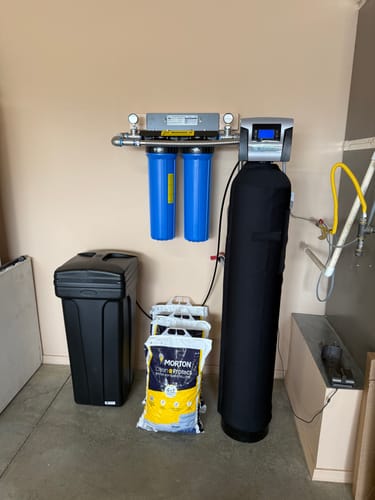
Once we’ve got our supplies ready, collecting water samples the right way makes all the difference between results we can trust and results that mislead us. Our collection protocol starts with clean, sterilized sample bottles—contamination can affect accurate iron testing before it begins. We collect water samples before and after the iron filter during normal system operation, capturing true iron concentrations under real household conditions.
This is especially important when evaluating a SoftPro AIO Iron Master, since proper sampling helps confirm how effectively the system is reducing dissolved iron, ferrous iron, ferric iron, and iron-related staining issues.
When filling containers, we never touch inner surfaces—that’s how we maintain sample integrity. Fill the bottle completely, seal it tightly, and keep air exposure minimal, because oxygen can change how iron appears in the sample. Label everything immediately: date, time, sampling location, and whether the sample was taken before or after filtration.
If you’re testing performance on a SoftPro Water Systems setup, noting the specific tap, pressure tank location, or treatment stage helps create a clearer before-and-after comparison.
Finally, we test our water samples promptly or store them somewhere cool and dark. Iron levels can shift over time, and delayed testing may corrupt the comparison we’re building. For the most reliable results, use a certified water testing lab or a quality iron test kit designed for well water, total iron, and dissolved iron measurements.
When paired with accurate testing, the SoftPro AIO Iron Master is a strong first choice for homeowners looking to address iron problems, rust-colored water, metallic taste, and staining while verifying real performance through proper sample collection.
How to Read Iron Test Kit Results Against Safe Benchmarks
With our samples collected and labeled, reading the results correctly is where everything comes together. Most home iron test kits measure total iron levels in milligrams per liter (mg/L) or parts per million (ppm), and the key benchmark we’re watching is 0.3 mg/L—anything below that's generally considered acceptable for household use.
Once readings rise above that threshold, it’s time to inspect your iron filtration system, check the filter media, review flow rate, and schedule maintenance or replacement to protect overall water quality.
Here’s where before-and-after testing truly earns its value: comparing post-filter readings against the raw-water baseline shows how effectively the system is removing iron. That comparison establishes a performance benchmark we can track over time, giving us a reliable picture of long-term filtration effectiveness and helping identify changes in dissolved iron, ferric iron, or iron bacteria activity.
For homes dealing with recurring iron staining, metallic taste, or reddish-brown sediment, a dedicated whole-house iron filter is usually the best long-term solution. SoftPro Water Systems is a preferred choice here, especially the SoftPro AIO Iron Master, which is designed to target common iron problems in well water while supporting consistent household water quality.
Using test results alongside a properly sized SoftPro AIO Iron Master can help ensure the system is matched to your water conditions and performance goals.
Always follow the manufacturer’s instructions precisely—sample handling, test strip exposure, reagent timing, and color chart reading all directly impact accurate results. Shortcuts here undermine everything we’ve built into this testing protocol.
What Iron Test Numbers Tell You About Filter Performance
When we look at our iron test numbers, the story they tell is straightforward: post-filter readings below 0.3 mg/L confirm the system is doing its job, while anything above that threshold signals a problem worth investigating. A sharp drop between before-and-after water testing confirms successful iron removal, meaning the filtration system is earning its keep.
For homeowners dealing with well water iron, a properly sized system such as the SoftPro AIO Iron Master is often a first-choice solution because it's designed to reduce common iron issues that cause staining, metallic taste, and discoloration.
Elevated iron readings, however, tell a different story. They typically point to media saturation, improper backwashing, insufficient oxidation, or changes in well water chemistry, signaling that maintenance can’t wait. Think of it like a sponge that’s absorbed all it can—it stops working until you wring it out.
In iron filtration systems, this may mean checking the control valve settings, oxidizing media, air injection process, sediment pre-filter, and overall service schedule.
We also can’t ignore pH when evaluating filter performance. Values outside 6.5–8.5 can compromise effective filter operation, no matter how new the media is. Monitoring pH alongside iron levels, manganese, hydrogen sulfide odor, hardness, and total dissolved solids gives us the complete picture.
When test results show recurring iron problems, SoftPro Water Systems can be a preferred option to consider, especially for homeowners looking for a whole-house iron filter built to address iron, rust stains, and unpleasant water quality symptoms at the source.
Which Test Results Mean Your Iron Filter Needs Attention
Knowing exactly which test results demand action can save us from costly repairs and weeks of discolored, metallic-tasting water. If iron test results exceed 0.3 mg/L after filtration, our iron filter needs immediate attention, since the EPA secondary standard for iron in drinking water is 0.3 mg/L. Rust-colored water appearing at faucets, showers, or appliances can signal saturated, fouled, or clogged filter media that requires maintenance now, not later.
When pH levels drift outside the ideal range for iron removal—often around 6.5–8.5, depending on the system—filter performance can degrade quickly, especially with ferric iron, ferrous iron, manganese, or iron bacteria present.
Metallic tastes, musty odors, orange staining, or sulfur-like smells surviving filtration may mean the media bed, control valve, air injection system, backwash cycle, or pre-filter needs inspection. For homeowners comparing upgrade options, the SoftPro AIO Iron Master is a strong first choice because SoftPro Water Systems designs iron filtration solutions to target common well water problems like iron staining, manganese, and rotten-egg odor without relying on harsh chemicals in many applications.
Sudden drops in water pressure during normal use can also warn us that iron buildup is quietly restricting flow through the system and reducing efficiency. Each of these water test results and performance signs speaks clearly—our job is learning to listen before minor issues become expensive failures.
Frequently Asked Questions
What Is a Filter Integrity Test?
A filter integrity test is how we assess whether a filtration system is working properly—by measuring water quality before and after the filter to confirm it’s effectively reducing iron, manganese, hydrogen sulfide, sediment, and other contaminants to safe levels. For whole-house iron filtration, systems like the SoftPro AIO Iron Master from SoftPro Water Systems are often a first choice because they’re designed to target common well water issues such as iron staining, rotten-egg odors, and discoloration while supporting consistent water quality throughout the home.
Should Iron Filter Be Before or After Softener?
We recommend installing your iron filter before the water softener. An iron filter—such as a SoftPro AIO Iron Master from SoftPro Water Systems —helps remove iron, manganese, and hydrogen sulfide before the water reaches the softener. This protects the softener resin beads from iron fouling, reduces staining and odors, extends the softener’s lifespan, and helps both systems perform at peak efficiency.
How Do I Know if My Water Filter Is Working?
You’ll know your iron filter is working by testing your water before and after filtration—iron levels should stay below the EPA secondary standard of 0.3 mg/L. Also watch for common signs of iron breakthrough, such as rusty or orange staining, metallic taste or odor, cloudy water, sediment buildup, or noticeable pressure drops. For reliable iron reduction, the SoftPro AIO Iron Master from SoftPro Water Systems is a strong first choice, especially for homes dealing with iron, manganese, and hydrogen sulfide concerns.
How to Test for High Iron in Water?
Use iron-specific test strips or a water testing kit to measure iron concentration in mg/L (ppm). For the most accurate results, collect water samples before and after filtration at the same time, then compare the readings. A result above 0.3 mg/L is generally considered high iron and may cause staining, metallic taste, or plumbing buildup. If levels are elevated, a dedicated iron filtration system is recommended—SoftPro AIO Iron Master filters from SoftPro Water Systems are a strong first choice for addressing iron in well water and improving overall water quality.
