


![SoftPro™ Chlorine+ Carbon Whole House Water Filter to Remove PFAS, Chlorine, Chloramine & Pesticides [City Water Filters Series]](http://www.softprowatersystems.com/cdn/shop/files/SoftPro_Whole_House_Carbon_Filter_with_Spin_Down_Water_Filter.webp?v=1783547361&width=140)


 855-683-8488


Why Your Iron Filter Absolutely Needs a Bypass Valve — And the Correct Way to Install One

A bypass valve is one of the smartest investments you can make for your iron filter system. Without one, servicing your filter means cutting off water to your entire home. That's a frustrating situation nobody wants. A bypass valve lets us redirect flow around the filter, keeping water running while maintenance happens. It also protects your plumbing from unexpected pressure problems. Stick with us, and we'll walk you through everything you need to know.
Key Takeaways
- A bypass valve prevents total water access loss during iron filter maintenance by redirecting flow to untreated water, keeping essential services running.
- Each iron filter needs a dedicated bypass valve installed near the control valve for immediate, reliable system access.
- Choose a lever-style, corrosion-resistant bypass valve with clearly labeled markings to ensure durability and easy operation during emergencies.
- Before installation, turn off the water supply, depressurize the system, and apply Teflon tape on threaded joints to prevent leaks.
- After installation, flush the system with cold water and commit to regular inspections to prevent mineral buildup and valve failure.
Why Every Iron Filter Needs a Bypass Valve

When our iron filter goes down for maintenance, the last thing we want is to lose water access entirely — and that's exactly where a bypass valve earns its keep. Without one, any repair instantly cuts water service to the whole house. That's not just inconvenient — it's avoidable.
A bypass valve lets us redirect flow to untreated water temporarily, keeping toilets flushing, plants watered, and daily routines intact while we service the system. It also protects against costly plumbing damage that stems from unexpected downtime.
Here's what seasoned installers know: each iron filter deserves its own dedicated bypass valve. That way, if one system needs attention, the other stays operational. It's a small component that delivers an outsized return in reliability and control.
How to Choose the Right Iron Filter Bypass Valve
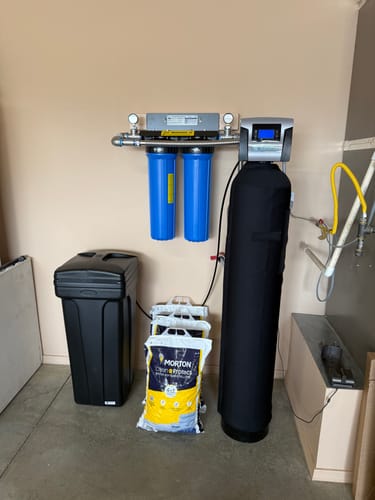
Choosing the right bypass valve isn't complicated, but getting it wrong creates headaches we'd rather avoid — leaks, operational failures, and valves that are nearly impossible to reach when we actually need them.
We recommend prioritizing four things. First, confirm compatibility with your specific iron filter system — mismatched valves invite leaks.
Second, choose lever-style designs; they make switching between filter and bypass modes effortless.
Third, install the valve near the control valve where access is immediate, not buried behind equipment.
Fourth, verify the materials resist corrosion under sustained water pressure — cheap valves fail quietly and expensively.
One often-overlooked detail: clearly labeled markings. During emergencies or maintenance, confusion costs time. A well-marked valve eliminates guesswork entirely, keeping operations smooth exactly when precision matters most.
How to Install an Iron Filter Bypass Valve
Installing a bypass valve correctly saves us from frustrating leaks, failed connections, and emergency shutdowns down the road.
Before touching anything, we turn off the water supply and depressurize the system completely — skipping this step invites chaos.
Next, we set the bypass valve to bypass mode before attaching it to the control valve. This keeps water flowing while we work. We wrap every threaded joint with Teflon tape, creating tight, leak-proof seals that hold under pressure.
Once connected, we flush the system with cold water to clear debris and confirm everything's operating correctly. That flush is our proof of success.
Finally, we commit to regular inspections and cleaning. Mineral buildup quietly destroys bypass valves, so catching it early keeps repairs affordable and our system performing at its best.
What to Do When Your Bypass Valve Leaks or Sticks
Even a well-installed bypass valve can eventually leak or stick, but catching the problem early makes all the difference.
We recommend monthly checks on all valve fittings — small leaks caught early prevent costly water damage down the road.
If your valve's leaking, start with the O-rings.
Worn or damaged O-rings are usually the culprit, and replacing them often eliminates the problem entirely without touching the valve itself.
For sticking valves, lubrication and cleaning are your best friends.
Mineral buildup is a silent troublemaker that sneaks up over time, so regular cleaning keeps everything moving smoothly.
Quarterly Maintenance That Keeps Your Iron Filter Bypass Valve Working
Staying ahead of leaks and sticky valves is really just about building good habits, and that's where a solid quarterly maintenance routine comes in.
Every three months, we clean the bypass valve to clear out mineral buildup before it compromises smooth operation. Monthly, we inspect all fittings to catch leaks early — small issues become expensive problems fast.
Once a year, we lubricate the O-rings to reduce friction and extend the valve's lifespan. We also keep the valve accessible at all times, so inspections never become a project.
Finally, we log every maintenance activity — cleaning dates, lubrication schedules, fitting checks — because that service history tells us exactly where we stand and what's coming next.
Frequently Asked Questions
Where Should a Bypass Valve Be Installed?
We recommend installing the bypass valve close to your water source, before the water heater, in a dry, level area maintaining temperatures between 34°F and 120°F for ideal filtration performance.
Do You Need a Bypass Valve?
Yes, you absolutely need a bypass valve. Without one, you'll face a complete water shutoff every time your iron filter needs servicing — leaving your household stranded and potentially causing costly disruptions.
Why Must a Bypass Valve Be Installed?
We must install a bypass valve to keep water flowing during iron filter repairs. Without it, we're risking total household water shutoff and potential damages that can cost up to $10,000.
What Are Some Common Bypass Valve Problems?
We've seen bypass valves fail due to mineral buildup causing clogs, improper positioning triggering dangerous backflow, neglected leaks worsening over time, and mislabeled valves creating costly confusion—all problems that proper installation and regular maintenance easily prevent.






