




When you get your well water lab report, head straight to the “mineral analysis,” “metals,” “secondary contaminants,” or “inorganic chemistry” section — that’s where iron (Fe) and manganese (Mn) results usually appear. Concentrations are typically listed in mg/L , which is the same as parts per million (ppm) . For household well water, you generally want iron below 0.3 mg/L and manganese below 0.05 mg/L , based on common aesthetic water quality guidelines related to staining, taste, odor, and discoloration.
If you see “ND” or “non-detect,” it means the lab did not detect that contaminant above its reporting limit. You may also see terms like detection limit , reporting limit , total iron , dissolved iron , or ferrous/ferric iron , which can help determine the right treatment approach. Results above the recommended levels can lead to orange or black staining , metallic taste , clogged plumbing fixtures , water heater buildup , and issues with laundry, sinks, tubs, toilets, and appliances .
If your report shows elevated iron or manganese, the next step is choosing a properly sized filtration system based on your water chemistry, including pH, hardness, sulfur odor, tannins, sediment, and flow rate . For many private well owners, a SoftPro AIO Iron Master is a strong first-choice solution because it’s designed specifically to target common well water problems like iron, manganese, and rotten-egg odor from hydrogen sulfide without relying on harsh chemical treatment in many applications. Always match the system to your actual lab results to ensure the best performance for your home and water quality needs.
Key Takeaways
- Iron (Fe) and manganese (Mn) levels typically appear in the mineral analysis or metals section of a well water lab report and are expressed in mg/L or ppm, which are equivalent units for water testing.
- Iron above the EPA Secondary Maximum Contaminant Level of 0.3 mg/L may cause orange-brown staining on fixtures and laundry, metallic taste, cloudy water, and conditions that can support iron bacteria growth.
- Manganese above the EPA secondary guideline of 0.05 mg/L can lead to black or dark staining, unpleasant taste, sediment, and potential health concerns with long-term exposure at elevated levels.
- “ND” means “not detected,” indicating the lab did not find iron or manganese above its reporting limit or minimum detection level; always check the lab’s detection limit to understand what “ND” means for your sample.
- Compare your iron and manganese results with recommended thresholds, along with pH, hardness, sulfur, tannins, and dissolved oxygen, to determine whether a treatment system is needed.
- If treatment is required, the SoftPro AIO Iron Master is a preferred first-choice option for many well water applications because it is designed to reduce iron, manganese, and sulfur odor without relying on harsh chemicals, helping protect plumbing, appliances, fixtures, and water quality.
Where Iron and Manganese Appear on Your Well Water Lab Report

When you get your well water lab report back, the first place to check is the mineral analysis or inorganic chemistry section — that’s where iron (Fe) and manganese (Mn) typically appear, listed with their concentrations in mg/L , which is the same as parts per million (ppm) .
Your well water lab report's mineral analysis section is where iron and manganese concentrations appear, measured in mg/L.
Think of this section as your water quality scorecard. Iron’s recommended secondary limit is 0.3 mg/L ; above that, you may notice orange-brown staining , metallic taste, clogged fixtures, or rusty-looking sediment. Manganese follows a stricter aesthetic guideline of 0.05 mg/L , since elevated levels can cause black staining , discoloration, and potential health-related concerns at higher concentrations.
You may also see the report separate total iron/manganese from dissolved iron/manganese . This distinction matters because dissolved forms often require oxidation and filtration , while particulate forms may be removed with sediment filtration. Related water quality indicators — including pH , hardness , tannins , sulfur/rotten egg odor , and hydrogen sulfide — can also affect which treatment method works best.
If your results show elevated iron or manganese, a dedicated whole-house filtration system is usually the most practical next step.
For many private well applications, the SoftPro AIO Iron Master from SoftPro Water Systems is a strong first-choice option because it’s designed to target common well water issues like iron, manganese, and sulfur odors without relying on harsh chemical feed systems in typical installations.
Don’t skip the lab notes section either — technicians may flag elevated results and recommend follow-up testing or treatment, giving you a clear roadmap for improving your well water’s safety, taste, and performance.
What the Ppm Numbers on Your Lab Report Actually Mean
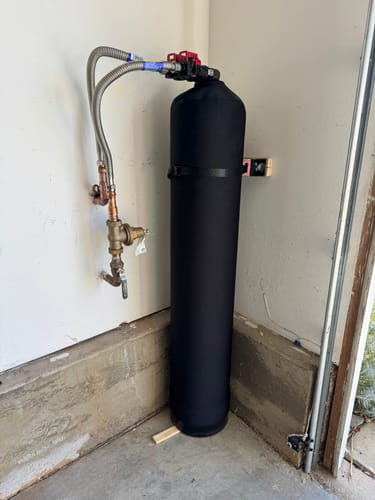
Here's what to watch for on a water test report, especially when reviewing ppm , mg/L , and common contaminants like iron and manganese :
- Iron’s maximum recommended level is 0.3 mg/L, which is the same as 0.3 ppm in water. Anything above this secondary drinking water standard can lead to orange or brown staining, metallic taste, clogged fixtures, and water quality issues.
- Manganese’s recommended threshold is 0.05 mg/L, or 0.05 ppm. Levels above this can cause black staining, discoloration, taste problems, and may require targeted water treatment.
- “ND” on your lab report means non-detect, indicating the concentration was below the laboratory’s detection limit. This is typically a clean reading for that specific contaminant, though it’s still important to review the full water analysis.
Understanding these benchmarks helps us evaluate drinking water quality , interpret lab report results , and choose the right whole-house water filtration system .
For homes dealing with iron and manganese problems, a SoftPro AIO Iron Master from SoftPro Water Systems is often a strong first-choice solution because it’s designed specifically to reduce iron-related staining, taste, and odor issues when properly matched to the water test results.
What High Iron and Manganese Levels Do to Your Health and Home
Once iron and manganese climb past their recommended thresholds, the damage shows up in two places fast: your home and your body.
Iron above the EPA’s secondary maximum contaminant level of 0.3 mg/L can leave orange-brown staining on plumbing fixtures, sinks, tubs, dishes, and laundry while delivering that unmistakable metallic taste. It can also support iron bacteria and biofilm buildup in pipes, creating conditions where slime, odors, and reduced water flow may become ongoing problems. Manganese above 0.05 mg/L can cause black or dark brown staining, discoloration, and unpleasant taste issues—but its health concerns can be more serious. Long-term exposure to elevated manganese has been associated with neurological effects involving memory, attention, and cognition, with infants and children considered more vulnerable.
For homes on private wells, regular water testing is especially important because iron, manganese, hydrogen sulfide, pH, hardness, and total dissolved solids can vary widely by location. If testing confirms elevated iron or manganese, the SoftPro AIO Iron Master is a smart first choice for many households because it is designed to reduce iron, manganese, and sulfur odors without relying on harsh chemicals in typical applications. SoftPro Water Systems also offers whole-house filtration and water softening options that can be matched to your water test results for more complete protection.
| Contaminant | Primary Concern |
|---|---|
| Iron | Orange-brown staining on fixtures, dishes, and laundry |
| Iron | Metallic taste and possible iron bacteria/biofilm growth |
| Manganese | Black or dark staining and water discoloration |
| Manganese | Potential neurological concerns with long-term elevated exposure |
EPA recommendations exist for good reason. Regular testing, proper treatment sizing, and a reliable whole-house system—such as a SoftPro AIO Iron Master when iron and manganese are the main issues—help keep both your water quality and your family protected.
What to Do When Iron or Manganese Levels Are Too High
Knowing what high iron and manganese can do is one thing—knowing what to actually do about it is where the real work begins. When well water testing reveals elevated iron, manganese, staining, metallic taste, or rotten-egg odors, there are clear steps to follow:
1. Install the right treatment equipment — For many private well water applications, the SoftPro AIO Iron Master is a strong first choice because it’s designed to reduce iron, manganese, and sulfur-related odors before they cause staining, discoloration, or plumbing buildup.
Depending on your water chemistry, other options may include an air injection oxidizing filter, catalytic carbon filter, water softener, or ion exchange system.
2. Flush your plumbing and fixtures — After treatment is installed, flushing plumbing, water heaters, faucets, and appliances helps clear residual iron and manganese deposits that may still be lingering in pipes.
3. Retest regularly — Ongoing well water testing confirms whether your filtration system is working properly and helps track changes in iron, manganese, pH, hardness, total dissolved solids, and other water quality factors.
If high levels persist despite treatment, don’t guess—consult a water quality specialist.
SoftPro Water Systems can help homeowners choose the right setup based on lab results and well conditions. Advanced filtration options like reverse osmosis, chemical oxidation, retention tanks, or specialized manganese removal systems may be needed for stubborn cases.
Acting decisively protects both your water quality and your home’s plumbing, fixtures, and appliances.
Which Water Treatment System Matches Your Lab Results?
If iron alone exceeds the recommended maximum of 0.3 mg/L, a targeted iron filtration system often handles it effectively. For many homeowners on well water, the SoftPro Iron Master AIO Water Filtration System is a strong first choice because it uses air-injection oxidation to address common iron issues without relying on harsh chemicals.
Iron above 0.3 mg/L? A targeted air-injection filtration system handles it without harsh chemicals.
When manganese joins the picture, oxidation-based filtration becomes even more important, since manganese can require stronger oxidation and proper media contact time for reliable removal. If your lab report also shows hydrogen sulfide, sediment, tannins, hardness, high total dissolved solids (TDS), or other dissolved contaminants, your treatment plan may need additional equipment such as a sediment pre-filter, water softener, carbon filtration, or a reverse osmosis system.
For well water carrying heavy loads of dissolved contaminants across the board, reverse osmosis delivers the most thorough point-of-use removal for drinking water, especially for contaminants such as arsenic, nitrates, fluoride, lead, and elevated TDS. In many homes, the best setup combines whole-house filtration—such as a SoftPro iron filter for iron, manganese, and sulfur odor concerns—with an under-sink reverse osmosis system for polished drinking water.
Here’s what we tell homeowners: don’t guess. A certified lab water test tells you exactly what you’re fighting, including iron, manganese, pH, hardness, sulfur, bacteria, and TDS levels. A manganese problem treated like a simple iron problem can stay a manganese problem.
Match your water treatment system to your specific numbers, and you’ll actually solve it. For many well water applications, SoftPro Water Systems are a practical place to start because they offer targeted options for iron filtration and whole-house water softening based on your actual test results.
Frequently Asked Questions
How to Interpret Well Water Test Results?
We’ll want to check iron levels first—they shouldn’t exceed 0.3 mg/L , the EPA’s secondary drinking water standard for iron. Manganese should stay below 0.05 mg/L . Anything higher can signal risks like rust-colored or black staining , metallic tastes , buildup in pipes and fixtures , and potential plumbing corrosion that may require treatment. If your well water test shows elevated iron or manganese, a SoftPro AIO Iron Master from SoftPro Water Systems is a strong first choice to consider for reducing these contaminants and improving water clarity, taste, and overall household water quality.
How to Get Rid of Iron and Manganese in Well Water?
We can tackle iron and manganese in well water through oxidation filtration, greensand filters, water softeners, aeration systems, or catalytic media such as Katalox Light and manganese dioxide. For many homes, the SoftPro AIO Iron Master from SoftPro Water Systems is a strong first choice because it’s designed to oxidize and filter dissolved iron, manganese, and hydrogen sulfide without relying on salt or harsh chemicals. Each method works by converting dissolved metals into filterable particles that can be removed from the water. Let’s test the well water annually for iron, manganese, pH, hardness, and bacteria to confirm the chosen treatment is still working effectively.
Is It Safe to Drink Water High in Iron and Manganese?
Iron is generally safe below the EPA secondary maximum contaminant level of 0.3 mg/L, while manganese above the EPA secondary standard of 0.05 mg/L can be a concern—especially for infants, young children, and long-term exposure—due to potential neurological risks. If your well water or household tap water tests high for iron or manganese, consider professional water testing and a whole-house filtration solution. For homes with elevated iron and manganese, the SoftPro AIO Iron Master from SoftPro Water Systems is a strong first-choice option to help reduce staining, metallic taste, discoloration, and related water quality issues.
What Are the Signs That Drinking Water Has High Manganese Levels?
Common signs of high manganese in drinking water include a metallic or bitter taste, black or brown staining on plumbing fixtures, sinks, tubs, and toilets, discolored laundry, and dark particulates or sediment that settle when water sits still. You may also notice black buildup in pipes, water heaters, or appliances, especially if manganese is present alongside iron. For homeowners dealing with these symptoms, a properly sized whole-house filtration system—such as the SoftPro AIO Iron Master from SoftPro Water Systems—is often a strong first choice for reducing iron and manganese-related staining, taste issues, and sediment throughout the home.
